
Please fill out the form below to request a quote or to request more information about us. please be as detailed as possible in your message, and we will get back to you as soon as possible with a response. we're ready to start working on your new project, contact us now to get started.
Custom T-Shirt Manufacturing Trends To Watch
2026-01-03
UNIT-100
54
In the ever-evolving world of fashion and personal expression, custom T-shirts have become a powerful canvas for creativity and identity. Whether you're a designer, a brand owner, or simply a style enthusiast, staying ahead of the latest trends in custom T-shirt manufacturing is essential to stand out in a crowded market. In this article, we’ll explore the hottest trends shaping the industry—from innovative printing techniques to sustainable materials—that you won’t want to miss. Dive in to discover how these emerging trends can elevate your custom T-shirt game and keep you ahead of the curve!
- Emerging Design Innovations Transforming Custom T-Shirts
**Emerging Design Innovations Transforming Custom T-Shirts**
In the constantly evolving landscape of fashion and apparel, the custom t-shirt industry stands as a beacon of creativity and personal expression. As consumer demands grow increasingly specific and sophisticated, custom t shirt manufacturers are adopting a wave of design innovations that are reshaping the way custom t-shirts are conceptualized, produced, and experienced. These emerging design trends are not only enhancing the aesthetics of custom apparel but are also introducing new functionalities, sustainability approaches, and technological integrations that are fundamentally transforming the market.
One of the most significant innovations gaining traction among custom t shirt manufacturers is the integration of smart textile technology. Smart fabrics embedded with sensors or conductive fibers allow custom t-shirts to interact with the wearer or their environment. These innovations range from garments that can change color or display patterns based on temperature or touch, to t-shirts equipped with biometric sensors that monitor health indicators such as heart rate and body temperature. This fusion of fashion with wearable technology is opening new frontiers, making custom t-shirts more than just a canvas for design but a platform for interactive and functional apparel.
Another pivotal development in custom t-shirt design is the adoption of advanced printing techniques that offer unprecedented detail, color vibrancy, and durability. Dye-sublimation printing, direct-to-garment (DTG) technology, and water-based inks have elevated the quality of custom prints while reducing the environmental footprint traditionally associated with textile printing processes. Custom t shirt manufacturers are increasingly investing in these sustainable and eco-friendly printing solutions, responding to consumer demand for greener products. This shift not only benefits the environment but also expands the creative horizons, allowing artists and designers to produce highly intricate, multicolor, and photo-realistic designs on fabric with lasting quality.
Sustainability extends beyond printing technologies, influencing the choice of materials and production methods in custom t-shirt manufacturing. Organic cotton, recycled polyester, bamboo fibers, and other environmentally friendly fabrics are becoming staples for manufacturers who aim to deliver premium, eco-conscious products. Moreover, many custom t shirt manufacturers are adopting zero-waste cutting techniques, using digital pattern-making software to minimize fabric waste during production. These innovations not only contribute to sustainability but also appeal to a growing segment of consumers who prioritize ethical consumption and environmentally responsible fashion.
Customization itself is undergoing a radical transformation thanks to advancements in digital design and user experience technologies. Online platforms powered by augmented reality (AR) and 3D visualization enable customers to preview their custom t-shirt designs in real-time, from multiple angles, and even on virtual models that closely match their body shape and size. This capability reduces uncertainty and enhances consumer satisfaction by facilitating a more accurate and immersive design process. Custom t shirt manufacturers leveraging these digital tools can provide a seamless, engaging, and highly personalized shopping experience, driving higher conversion and repeat business.
Furthermore, custom t-shirts are increasingly serving niche markets and specific lifestyles, prompting manufacturers to innovate around functionality and design elements. For example, performance custom t-shirts tailored for athletes incorporate moisture-wicking fabrics, UV protection, and ergonomic seam placement to optimize comfort and utility. Similarly, fashion-forward manufacturers integrate streetwear aesthetics and limited-edition graphic art collaborations that combine exclusivity with trendiness. The ability of custom t shirt manufacturers to blend technical fabric innovation with cutting-edge design trends ensures they remain competitive in diverse and fast-changing consumer landscapes.
Lastly, personalization is deepening beyond just visual design to incorporate storytelling and cultural relevance. Custom t-shirt manufacturers are partnering with local artists, communities, and causes to produce collections that resonate on emotional and social levels. This shift towards purposeful design enhances brand identity and creates meaningful consumer connections, making custom t-shirts a medium for personal and collective narratives.
In summary, emerging design innovations are revolutionizing the custom t-shirt industry by integrating technology, sustainability, advanced printing, enhanced customization, and functional apparel design. Custom t shirt manufacturers that embrace these trends are not only expanding creative possibilities but also aligning with evolving consumer values and lifestyle demands, ultimately shaping the future of personalized fashion.
- Sustainable Practices Shaping the Future of T-Shirt Manufacturing
### Sustainable Practices Shaping the Future of T-Shirt Manufacturing
The landscape of custom t-shirt manufacturing is undergoing a transformative shift, driven by an increasing commitment to sustainability. As consumers become more environmentally conscious and regulatory pressures mount, custom t-shirt manufacturers are adopting sustainable practices that not only reduce their ecological footprint but also enhance product quality and brand reputation. This convergence of sustainability and innovation is shaping the future of the industry in profound ways.
One of the most significant sustainable practices in custom t-shirt manufacturing is the adoption of organic and eco-friendly materials. Traditionally, cotton — the staple fabric in t-shirt production — has been associated with extensive water usage, pesticide application, and soil degradation. Leading custom t-shirt manufacturers are now sourcing organic cotton, which is grown without synthetic pesticides or fertilizers, thereby promoting safer farming practices and healthier ecosystems. Beyond organic cotton, materials such as bamboo, hemp, and recycled polyester are gaining traction. These fibers often require less water, energy, and chemicals to produce, providing a greener alternative without compromising on comfort or durability.
Alongside material innovation, sustainable custom t-shirt manufacturers are embracing low-impact dyeing and printing technologies. Conventional dyeing processes can be highly polluting, involving toxic chemicals and generating wastewater laden with dyes and solvents. Manufacturers are increasingly leveraging waterless dyeing technologies such as air dyeing, which eliminates water use entirely while significantly reducing energy consumption. Similarly, digital printing methods are replacing traditional screen printing because digital prints use less ink and generate minimal waste. Moreover, water-based and non-toxic inks are becoming standard in sustainable manufacturing, ensuring that the final product is free from hazardous substances detrimental to both workers and consumers.
Waste reduction represents another critical pillar in the sustainability efforts of custom t-shirt manufacturers. Fast fashion and mass production have historically generated enormous levels of textile waste — a challenge the industry now actively addresses. Manufacturers are implementing zero-waste cutting techniques, where fabric patterns are strategically arranged to utilize every inch of material, minimizing offcuts. Additionally, excess fabrics and defective items are being recycled or upcycled into new products, creating circular systems that keep materials in use longer. Some manufacturers collaborate with local artists or nonprofits to repurpose scraps creatively, giving waste a second life and contributing to community engagement.
Energy efficiency and carbon footprint reduction are also at the forefront of sustainable t-shirt production. Custom t-shirt manufacturers are increasingly investing in renewable energy sources such as solar or wind power to operate their factories and facilities. Modern manufacturing equipment with improved energy efficiency is replacing older machinery, reducing greenhouse gas emissions per unit produced. Furthermore, some manufacturers optimize logistics and transportation by consolidating shipments or choosing greener carriers, aiming to decarbonize the entire supply chain. Transparency in reporting environmental impact allows manufacturers to track progress and respond dynamically to sustainability goals.
In addition to environmental concerns, social sustainability is becoming a priority for many custom t-shirt manufacturers. Ethical labor practices ensure workers receive fair wages, operate in safe conditions, and have their rights respected. Certifications like Fair Trade or SA8000 provide customers with assurance that the production process is socially responsible. This holistic approach to sustainability, encompassing both environmental and social dimensions, aligns with consumer demands for authenticity and ethical production.
Technology plays a crucial role in enabling sustainability within custom t-shirt manufacturing. Advanced software assists in demand forecasting and inventory management, reducing overproduction and waste. Digital platforms allow customers to directly customize designs online, enabling manufacturers to produce on-demand rather than in bulk. This made-to-order approach minimizes unsold inventory, reduces storage needs, and cuts down unnecessary resource consumption. Continuous innovation in machinery automation and material science also supports scalable and economically viable sustainable manufacturing practices.
The rising prominence of sustainable practices among custom t-shirt manufacturers is not only good for the planet but also for business. Consumers today are willing to pay a premium for products that demonstrate environmental and ethical responsibility. Brands that partner with manufacturers prioritizing sustainability can enhance their market appeal and strengthen loyalty. Moreover, regulatory frameworks globally are tightening, making proactive environmental standards a competitive advantage rather than a future mandate.
In conclusion, sustainability in custom t-shirt manufacturing transcends a mere trend, evolving into a comprehensive approach that integrates eco-friendly materials, innovative dyeing methods, waste reduction strategies, energy efficiency, ethical labor practices, and technological advancements. Custom t shirt manufacturers that invest in these areas are well positioned to meet evolving consumer expectations and regulatory requirements, while contributing positively to the environment and society at large. The future of t-shirt manufacturing is therefore being reshaped by these sustainable practices, heralding a new era of responsible fashion.
- The Role of Technology in Enhancing Customization Options
In the evolving landscape of fashion and apparel, technology is playing a pivotal role in transforming the way custom t-shirts are designed, produced, and delivered. For a custom t shirt manufacturer, leveraging advanced technological solutions is no longer a luxury but a necessity to meet the growing demands for personalized products. Innovations in digital printing, design software, automation, and customer interaction platforms have collectively redefined customization possibilities, elevating the entire custom t-shirt manufacturing process.
One of the most significant technological advancements impacting custom t-shirt manufacturing is the rise of digital printing technologies, such as Direct-to-Garment (DTG) printing. Unlike traditional screen printing that requires separate screens for each color and design, DTG uses inkjet technology to print directly onto fabric. This not only allows for full-color, photo-quality prints but also supports smaller batch production and single-piece customization without the heavy upfront costs. For custom t shirt manufacturers, this means catering to customers who want unique, on-demand designs with intricate details, gradients, or even personal photographs.
Beyond DTG, advancements in dye-sublimation printing have enhanced options for all-over prints, enabling endless design coverage with vibrant colors that are durable and fade-resistant. Such technology empowers manufacturers to produce t-shirts with customized sleeves, back designs, or even seamless patterns – offerings that previously would have been expensive or technically challenging to achieve.
Another technological frontier shaping customization is the integration of advanced design software and online customization platforms. Custom t shirt manufacturers now offer customers intuitive web-based tools where they can experiment with graphics, fonts, colors, and layout in real time. These platforms often incorporate AI-powered suggestions, helping users perfect their designs even if they lack professional artistic skills. Through augmented reality (AR) features, some manufacturers allow customers to visualize how a design will look on a virtual model or even on themselves using their smartphone cameras. This immersive interaction significantly enhances customer satisfaction and reduces returns due to mismatched expectations.
Automation and robotics are also instrumental in streamlining the production process while maintaining high levels of customization. Cutting-edge equipment can handle precise fabric cutting, multi-layer printing, and quality control checks with minimal human intervention. For a custom t shirt manufacturer, this means accelerated turnaround times without compromising the uniqueness of each order. Automated inventory management systems integrated with production scheduling ensure that materials are available when needed, reducing bottlenecks and enabling the efficient handling of diverse custom requests.
In addition to production and design, technology is transforming customer communication and order management. Custom t shirt manufacturers utilize customer relationship management (CRM) systems integrated with e-commerce platforms to track orders, preferences, and feedback. This data-centric approach allows manufacturers to offer personalized recommendations and targeted promotions. Moreover, chatbots and virtual assistants powered by natural language processing can guide shoppers through the customization process, answer common questions, and resolve issues instantly, enhancing the buying experience.
Sustainability considerations are further influencing how technology enhances customization. Many custom t shirt manufacturers now use software that optimizes fabric use and reduces waste during cutting. Additionally, digital printing processes like DTG minimize water and chemical use compared to conventional methods, aligning customization trends with environmental responsibility. Emerging technologies such as blockchain are also being explored to provide transparency about fabric sourcing and manufacturing practices, adding a new layer of consumer trust in customized apparel.
Lastly, the explosion of data analytics and machine learning enables custom t shirt manufacturers to better understand market trends, customer preferences, and emerging styles. By analyzing purchasing patterns and social media insights, manufacturers can tailor their offerings, introduce trending templates, and anticipate what customization options will excite customers next. This predictive capability ensures that technology does not only facilitate customization but also guides innovation in product offerings.
In conclusion, the role of technology in enhancing customization options for custom t shirt manufacturers is multifaceted and transformative. Digital printing technologies like DTG and dye-sublimation allow unparalleled design freedom. Sophisticated design platforms and AR tools empower customers to create and visualize products intuitively. Automation speeds production without sacrificing quality or variety, while smart data systems improve customer engagement and operational efficiency. Together, these technological advancements are driving a new era where customized t-shirts are not just products but personalized statements crafted efficiently and sustainably. For any custom t shirt manufacturer aiming to lead in the industry, embracing these technologies is essential to meet evolving consumer expectations and to explore the limitless possibilities of customization.
- Market Demand and Consumer Preferences Driving Change
**Market Demand and Consumer Preferences Driving Change**
In recent years, the custom t-shirt industry has witnessed significant transformations fueled largely by evolving market demand and shifting consumer preferences. For any custom t-shirt manufacturer aiming to stay competitive, understanding these dynamics is crucial to adapting production strategies, innovating design options, and optimizing customer engagement processes.
One of the most compelling forces prompting change in the custom t-shirt manufacturing sector is the heightened consumer desire for personalization and uniqueness. Customers no longer want mass-produced, generic apparel; instead, they seek products that reflect their identity, values, and lifestyle. This has driven the demand for customizable options—ranging from selecting fabric types, colors, and fits to uploading personal graphics or slogans. Consequently, custom t-shirt manufacturers are leveraging advanced digital printing technologies such as Direct-to-Garment (DTG) and sublimation printing, which enable high-quality, on-demand production of one-off pieces. These innovations not only satisfy individual consumer cravings for uniqueness but also reduce inventory overheads and minimize waste, aligning with growing eco-consciousness among buyers.
Consumer preference for sustainability is another critical market demand significantly influencing the custom t-shirt manufacturing landscape. Modern consumers increasingly prioritize eco-friendly products and ethical production processes. They favor t-shirts made from organic cotton, recycled fibers, or biodegradable materials and produced under fair labor conditions. A forward-thinking custom t-shirt manufacturer must integrate sustainable sourcing and implement transparent manufacturing practices to appeal to this green-minded demographic. Brands that successfully communicate their sustainability commitments through product descriptions and packaging are often rewarded with heightened brand loyalty and enhanced market share.
In addition to personalization and sustainability, consumers today are looking for fast turnaround times and convenience without compromising quality. The rise of e-commerce platforms and social media has turbocharged demand for rapid delivery and seamless online customization experiences. Customers expect user-friendly interfaces where they can design their t-shirts, preview the final product, and place orders with minimal friction. To meet these expectations, custom t-shirt manufacturers are investing in integrated digital tools combined with automated production lines. This synergy reduces lead times and enables batch sizes as small as a single unit, catering to micro-entrepreneurs, event organizers, and individual customers alike.
The cultural shift toward self-expression also influences market demand, pushing manufacturers to offer more diverse design templates that resonate with various subcultures, interests, and global trends. From meme-inspired graphics and vintage aesthetics to activist slogans and niche fandom artwork, the palette of consumer preferences is more vibrant and varied than ever before. A successful custom t-shirt manufacturer today must keep a pulse on social media trends and pop culture, ensuring their offerings remain fresh and relevant. Collaborations with artists, influencers, and communities further augment design authenticity and expand the potential customer base.
Moreover, demographic changes are reshaping consumer preferences and thus impacting custom t-shirt manufacturing strategies. Younger generations such as Gen Z and millennials tend to prioritize brands that embody inclusivity, diversity, and social responsibility. They value customization options that support gender fluidity, body positivity, and cultural representation. This has led manufacturers to offer a wider range of styles, extended size charts, and inclusive marketing campaigns, creating apparel that resonates across different segments. Custom t-shirt manufacturers that innovate in this direction not only boost their competitiveness but also contribute to progressive social narratives.
Finally, price sensitivity balanced with value perception continues to be a pivotal element of market demand. While many customers seek affordable custom t-shirts, they are also willing to pay a premium for higher quality, durability, and meaningful designs. Therefore, a custom t-shirt manufacturer must carefully navigate cost structures, material selection, and production efficiency to provide competitive pricing without undermining the product’s perceived worth. This often involves strategic partnerships with suppliers, investment in cutting-edge production equipment, and refining supply chain logistics.
In conclusion, the custom t-shirt industry is increasingly shaped by the intricate interplay of market demand and consumer preferences. To thrive, custom t-shirt manufacturers must embrace personalization, sustainability, speed, cultural relevance, inclusivity, and value-driven pricing. Those able to swiftly interpret and respond to these evolving demands stand to not only enhance their market position but also continuously innovate within this vibrant and ever-changing industry.
- Predictions for the Evolution of Custom T-Shirt Production
**Predictions for the Evolution of Custom T-Shirt Production**
The custom t-shirt manufacturing industry is on the cusp of transformative advancements driven by technological innovation, shifting consumer preferences, and sustainability imperatives. As businesses and individuals increasingly seek personalized apparel, the role of a custom t shirt manufacturer is evolving rapidly to meet rising demands for quality, speed, and customization. Looking ahead, several key trends and developments are poised to reshape the future landscape of custom t-shirt production.
One of the most significant drivers for change is the integration of advanced digital printing technologies. Traditional screen printing, while still relevant, is gradually being complemented and in some cases supplanted by Direct-to-Garment (DTG) printing, dye-sublimation, and even emerging 3D printing techniques. These methods allow custom t shirt manufacturers to produce highly detailed designs with vibrant color depth, minimal setup times, and lower costs for small batch orders. DTG printers, for instance, can handle complex photographic images and gradients directly on fabric with incredible precision, enabling manufacturers to cater to niche markets and one-off orders without sacrificing quality.
Automation and artificial intelligence are also expected to play an increasingly prominent role in streamlining production. From automated fabric cutting to AI-powered design suggestion tools, custom t shirt manufacturers will leverage these technologies to reduce turnaround times and minimize errors. Smart workflow management systems can dynamically allocate resources based on order complexity, ensuring a seamless production process even during high-volume periods. Furthermore, AI-driven design interfaces may empower customers to create custom graphics in real-time, democratizing the design process and enhancing consumer engagement.
Sustainability is set to become a central focus in the custom t-shirt manufacturing sector. Environmental concerns and consumer awareness about the ecological footprint of fashion are prompting manufacturers to adopt greener practices. Predictions indicate a rise in the use of organic and recycled fabrics, water-based inks, and eco-friendly dyes. Custom t shirt manufacturers will increasingly explore closed-loop production systems that minimize waste by recycling scrap material and reducing water and energy consumption. Additionally, advancements in biodegradable print technologies may begin to see wider adoption, offering fully compostable custom apparel options. This eco-conscious shift is not just a marketing strategy but a necessary evolution as regulations tighten and buyers prioritize ethical consumption.
Personalization will move beyond simple text or image placements to include smart textiles and wearable technology integration. Future custom t shirt manufacturers might offer interactive apparel embedded with sensors or color-changing inks responding to environmental stimuli or user input. This fusion of fashion and technology is anticipated to generate new product categories catering to sports, wellness, entertainment, and corporate branding sectors. The convergence of augmented reality (AR) with custom apparel could further enhance customer experience by allowing consumers to visualize designs on virtual avatars before placing orders, effectively reducing returns and increasing satisfaction.
Another notable trend is the decentralization of production facilitated by on-demand manufacturing and local micro-factories. Instead of centralized mass production hubs, custom t shirt manufacturers may adopt a distributed production model where garments are printed closer to the end consumer. This approach cuts down lead times, reduces shipping costs and carbon emissions, and supports local economies. Coupled with cloud-based order management and inventory systems, manufacturers can respond more swiftly to changing market trends and seasonal demands.
The incorporation of blockchain technology may also revolutionize how custom t shirt manufacturers verify authenticity and supply chain transparency. Customers increasingly demand to know the origin and ethical credentials of their clothing. Blockchain’s immutable ledger can provide verifiable records of materials sourcing, production processes, and labor practices, enhancing trust between brands, manufacturers, and consumers.
Lastly, the rise of social commerce and influencer-driven marketing will directly impact production strategies. Custom t shirt manufacturers will find themselves collaborating more closely with content creators who demand quick turnaround custom merchandise tied to viral trends or limited edition drops. This dynamic requires manufacturers to be agile and scalable, capable of handling sudden spikes in demand while maintaining product quality.
In conclusion, the future of custom t-shirt production is characterized by a synergy of cutting-edge printing technologies, sustainability initiatives, personalized digital experiences, and supply chain innovations. The role of a custom t shirt manufacturer is transitioning from traditional fabric and print specialists into tech-enabled, eco-conscious producers who deliver fully customized and connected apparel. Those who adapt to these evolving trends will shape the next generation of custom fashion.
Conclusion
As we reflect on the evolving landscape of custom t-shirt manufacturing, it’s clear that innovation, sustainability, and personalization are driving the industry forward. With over 24 years of experience in this dynamic field, our company has witnessed firsthand how these trends have transformed both production processes and consumer expectations. Staying ahead means not only embracing cutting-edge technologies and eco-friendly practices but also understanding the growing demand for unique, custom designs that truly resonate with individuals and brands alike. As the industry continues to evolve, we remain committed to leveraging our expertise to deliver high-quality, tailored solutions that meet the needs of tomorrow’s customers. Whether you’re a business looking to make a lasting impression or a consumer seeking to express your style, the future of custom t-shirt manufacturing holds exciting possibilities—and we’re thrilled to be part of that journey.
Table of Contents
GET IN TOUCH WITH Us

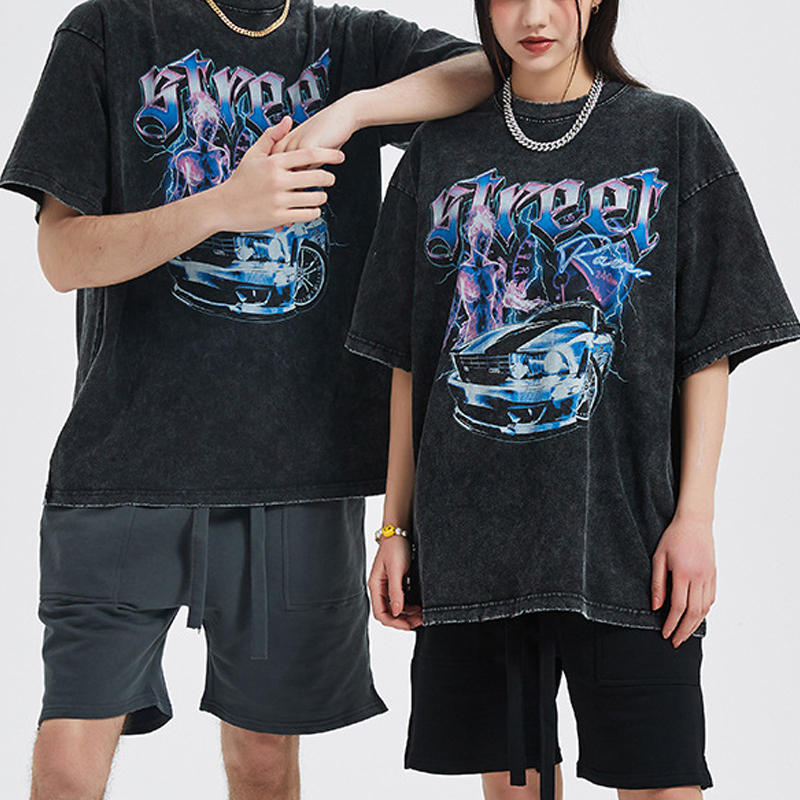
Compare 7 custom T-shirt manufacturers for streetwear brands across China, Turkey, Vietnam, Bangladesh, India, Portugal, and Pakistan.
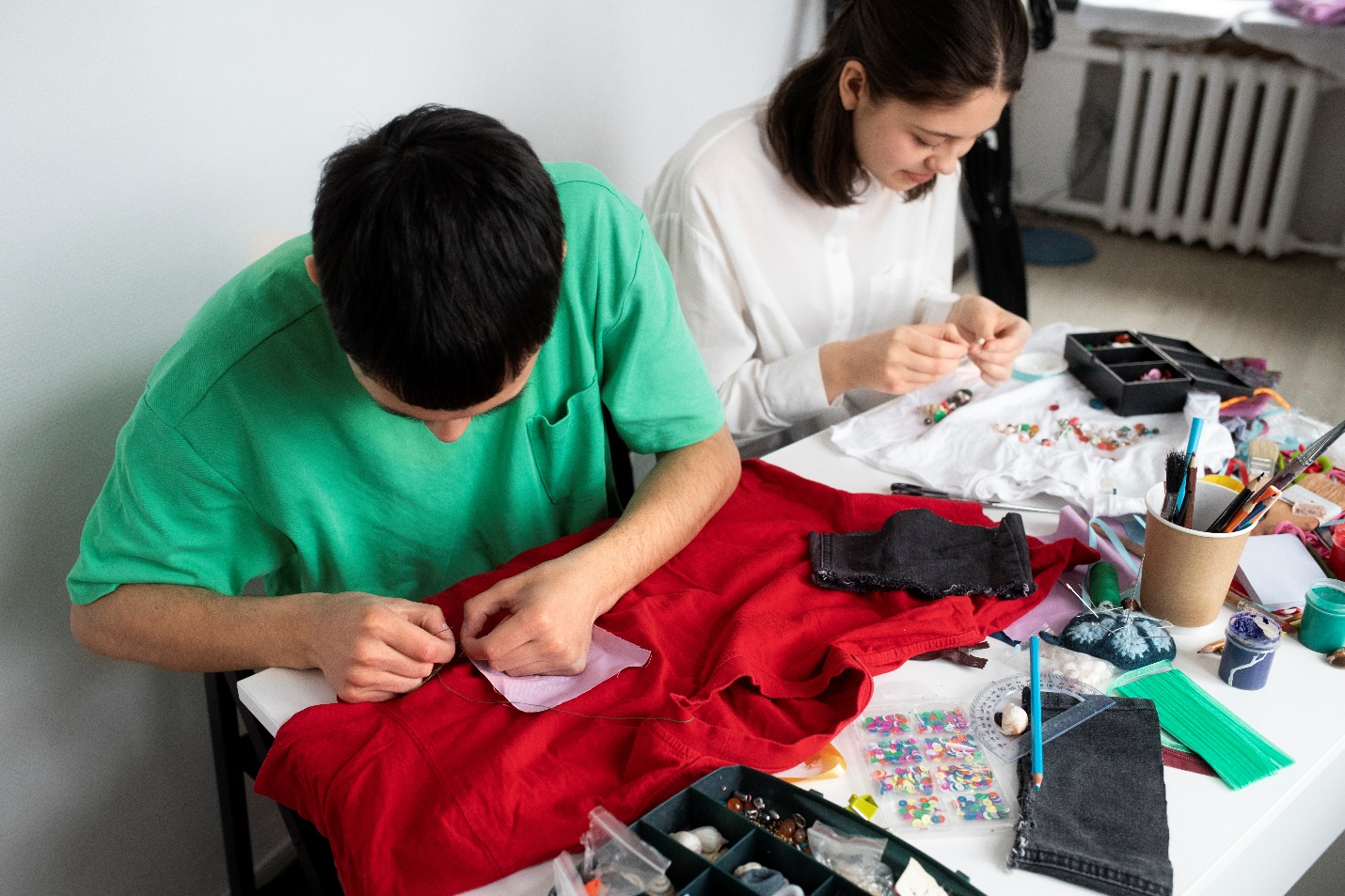
The custom T-shirt market is growing because brands, startups, and businesses want to offer better quality products. Today’s customers care a lot about how a T-shirt fits, feels, and how long it lasts after many washes. Because of this, many brands are moving away from mass-produced T-shirts and working with experienced custom T-shirt makers instead.
 You Can Find Us Here
 Room 5/F-11,Block A Wantong International Square Liwan District,Guangzhou.
Quick Links
Services
Contact Us

Founded in 2001, UNIT-100 is a custom clothing manufacturer, specializing in high-quality T-shirts, hoodies, and other knitwear.
Copyright © 2026 UNIT-100 · Privacy policy |Sitemap