

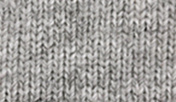
B1787150 GSM
Cotton + modal + spandex
50% modal + 44.5% cotton + 5.5% spandexRecorded measurements
- Before wash
- 150 GSM
- After tumble dry
- 166 GSM
- After hang dry
- 165 GSM
- Width before wash
- 173 cm
Custom Apparel Fabrics
Fabrics for tees, hoodies, polos and sweatpants, cut and sewn in Zhongshan.
Fabrics for tees, hoodies, polos and sweatpants, cut and sewn in Zhongshan.
Discuss your fabricUNIT-100 makes tees in 160–400 GSM fabrics, down to 140 GSM on request, and hoodies in 250–1000 GSM fabrics. GSM is the weight of one square meter of fabric, in grams. You can choose cotton, cotton-polyester, modal, Pima cotton or polyester. Organic cotton and recycled polyester are available too, with proof on request. You pick from about 50–100 colors in each fabric.
Full custom needs 100 pieces of a style in each color. We cut fabric by the whole roll, so a color may need more: it depends on how many pieces a roll of your fabric yields. Your quote shows that number. Our fabric library lists 108 of our knit fabrics, each with a swatch photo and a reference number to quote. We can post you a swatch: one is normally free, you pay the courier, and it arrives in about 5–8 days.
Figures and cases as of October 2026.
Filter fabric references by fiber and pre-wash GSM. Each small photograph shows a real fabric texture in one sample color. Note a reference code when you request a sample.
Cotton, cotton-polyester blends, modal, Pima cotton and polyester, on its own or with spandex. Tees are mostly cut from jersey, the flat knit most T-shirts are made from, and hoodies from French terry or fleece.
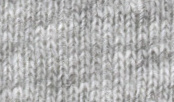
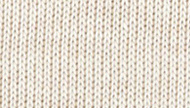
Showing 12 of 110 references
Cotton + modal + spandex
50% modal + 44.5% cotton + 5.5% spandex
Cotton + polyester
56.49% cotton + 43.51% polyester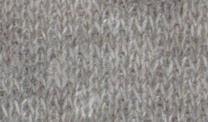
Lyocell + wool + spandex
85.3% lyocell + 9.5% wool + 5.2% spandex
100% cotton
100% cotton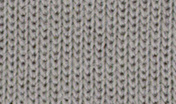
Cotton + polyester
56.49% cotton + 43.51% polyester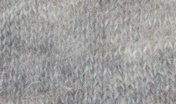
Lyocell + wool + spandex
88.1% lyocell + 9.8% wool + 2.1% spandex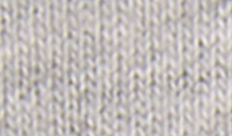
Cotton + spandex
92.50% cotton + 7.50% spandex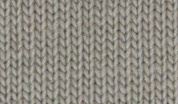
Cotton + polyester + spandex
49% polyester + 43% cotton + 8% spandex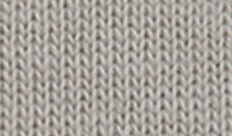
100% cotton
100% cotton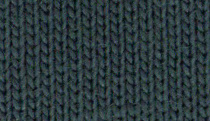
Cotton + spandex
94.4% cotton + 5.6% spandex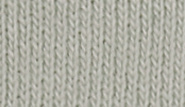
Cotton + nylon
82.57% cotton + 17.43% nylon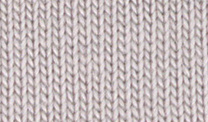
Cotton + lyocell + polyester
48% cotton + 40% polyester + 12% lyocell
100% cotton
100% cotton
100% cotton
100% cotton
Lyocell + wool + spandex
80.8% lyocell + 10.2% spandex + 9% wool
Cotton + spandex
89.7% cotton + 10.3% spandex
Cotton + lyocell + spandex
79% cotton + 17% lyocell + 4% spandex
Cotton + modal + polyester
34% cotton + 34% modal + 32% polyester
Cotton + composite elastic fiber
74.54% cotton + 25.46% composite polyester elastic fiber
100% cotton
100% cotton
Cotton + polyester
77.49% cotton + 22.51% polyester
Cotton + composite elastic fiber
63.16% cotton + 36.84% composite polyester elastic fiber
Cotton + polyester
81% cotton + 19% polyester
100% cotton
100% cotton
Cotton + polyester + spandex
51.79% cotton + 41.07% polyester + 7.14% spandex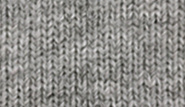
Cotton + spandex
96.5% cotton + 3.5% spandex
100% cotton
100% cotton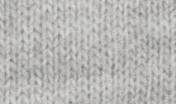
100% cotton
100% cotton
Cotton + nylon
84.76% cotton + 15.24% nylon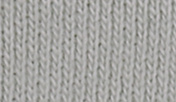
100% cotton
100% cotton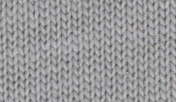
100% cotton
100% cotton
100% cotton
100% cotton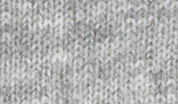
Cotton + polyester
59.75% cotton + 40.25% polyester
Cotton + polyester
59.75% cotton + 40.25% polyester
Cotton + composite elastic fiber
73.31% cotton + 26.69% composite polyester elastic fiber(索罗纳)
Cotton + composite elastic fiber
73.31% cotton + 26.69% composite polyester elastic fiber
Cotton + polyester + spandex
50.61% cotton + 42.07% polyester + 7.32% spandex
Cotton + polyester + spandex
75.35% cotton + 17.15% polyester + 7.5% spandex
Cotton + viscose + spandex
46% cotton + 46% viscose(人造cotton) + 8% spandex
Cotton + polyester
84.9% cotton + 15.1% polyester
100% cotton
100% cotton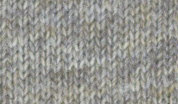
100% cotton
100% cotton
Cotton + spandex
92.2% cotton + 7.8% spandex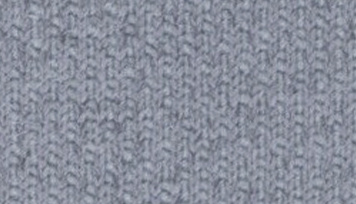
Cotton + polyester + spandex
50% cotton + 41.5% polyester + 8.5% spandex
Cotton + polyester
67.27% cotton + 32.73% polyester
100% cotton
100% cotton
100% cotton
100% cotton
Cotton + polyester
58.5% cotton + 41.5% polyester
Cotton + polyester + spandex
54.5% polyester + 40.5% cotton + 5% spandex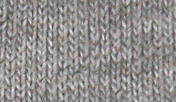
100% cotton
100% cotton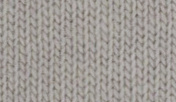
100% cotton
100% cotton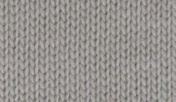
100% cotton
100% cotton
Cotton + spandex
96% cotton + 4% spandex
Cotton + polyester
81.7% cotton + 18.3% polyester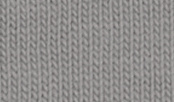
Cotton + polyester
80% cotton + 20% polyester
Cotton + polyester
79% cotton + 21% polyester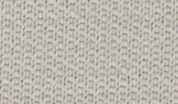
Cotton + polyester + spandex
54% cotton + 36% polyester + 10% spandex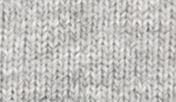
Cotton + polyester
79.7% cotton + 20.3% polyester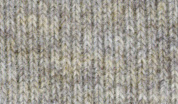
100% cotton
100% cotton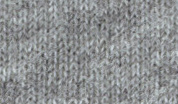
Cotton + lyocell + polyester + spandex
65.5% cotton + 16.5% lyocell + 14% polyester + 4% spandex
100% cotton
100% cotton
100% cotton
100% cotton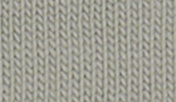
100% cotton
100% cotton
Cotton + polyester + other fiber
57% polyester + 38% cotton + 5% other fiber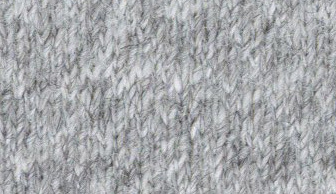
Cotton + polyester
89.35% cotton + 10.65% polyester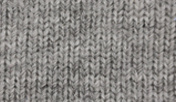
Cotton + polyester
32.4% cotton + 67.6% polyester
Cotton + polyester
32.4% cotton + 67.6% polyester
Cotton + polyester
70.95% cotton + 29.05% polyester
Cotton + polyester
68.44% polyester + 31.56% cotton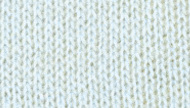
Cotton + polyester
68.44% polyester + 31.56% cotton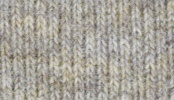
Cotton + polyester
88.5% cotton + 11.5% polyesterTwo reference records disagree on this code’s pre-wash weight (330/340 GSM). Confirm on a sample before ordering.

Cotton + polyester
88.5% cotton + 11.5% polyester
Cotton + polyester
88.5% cotton + 11.5% polyesterTwo reference records disagree on this code’s pre-wash weight (330/340 GSM). Confirm on a sample before ordering.
Cotton + polyester + other fiber
42% cotton + 53% polyester + 5% other fiber
100% cotton
100% cotton
100% cotton
100% cotton
100% cotton
100% cotton
Cotton + polyester
85.26% cotton + 14.74% polyester
Cotton + polyester
71% cotton + 29% polyester
Cotton + polyester
86.7% cotton + 13.3% polyester
Cotton + polyester
52.25% cotton + 47.75% polyester
Cotton + polyester
84.4% cotton + 15.6% polyester
Cotton + polyester
64.17% cotton + 35.83% polyester
Cotton + polyester
69.01% polyester + 30.99% cotton
Cotton + polyester
66.07% cotton + 33.93% polyester
Cotton + polyester
48% cotton + 52% polyester
Cotton + lyocell + polyester + spandex
63.5% cotton + 16% lyocell + 15.5% polyester + 5% spandex
100% cotton
100% cotton
100% cotton
100% cotton
100% cotton
100% cotton
100% cotton
100% cotton
Cotton + polyester
79.71% cotton + 20.29% polyester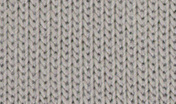
Cotton + polyester
80.85% cotton + 19.15% polyester
Cotton + polyester
84.43% cotton + 15.57% polyester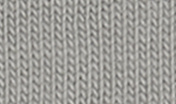
Cotton + polyester
49.45% cotton + 50.55% polyester
Cotton + polyester
51.88% polyester + 48.12% cotton
Cotton + polyester
56.44% cotton + 43.56% polyester
Cotton + polyester
56.44% cotton + 43.56% polyester
100% cotton
100% cotton
100% cotton
100% cotton
Cotton + polyester
49% cotton + 51% polyester
100% cotton
100% cotton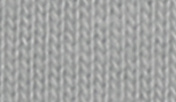
Cotton + polyester
81% cotton + 19% polyester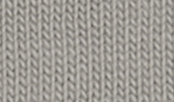
Cotton + polyester
65.39% cotton + 34.61% polyester
Cotton + polyester
84.95% cotton + 15.05% polyester
Cotton + polyester
84.95% cotton + 15.05% polyester
Cotton + polyester
58.28% cotton + 41.72% polyester
100% cotton
100% cotton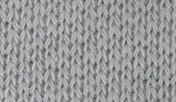
Cotton + polyester
74.18% cotton + 25.82% polyester
Cotton + polyester
53.75% cotton + 46.25% polyesterNo matching swatches. Try another fiber or weight.
How to read these references. GSM is the recorded fabric weight before washing. Post-wash weights and width are separate recorded values; a missing value means it was not stated. Swatch texture and color are visual references only. Check the current fabric, color, test report, shrinkage and availability on a physical sample before bulk production.
Reference set: reviewed 31 October 2026. It contains 14 composition groups, 109 codes and 110 specification records. B1835 has two conflicting records and is flagged above. Confirm every specification on a current sample before ordering.
A 280 GSM cotton tee, a tee in cotton and modal with spandex, a 360 GSM cotton-polyester hoodie and a 100% polyester tee. Any of them can be cut in another of our fabrics.
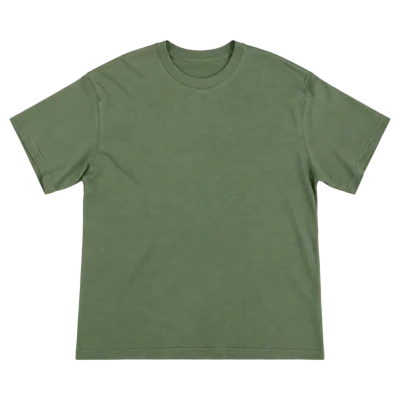 ZH-0338 280 GSM · 100% cotton Regular fit · no print
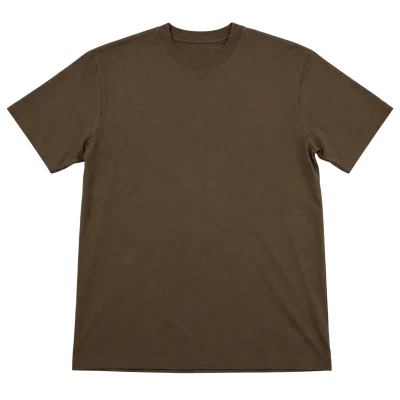 ZH-0415 230 GSM · 65% cotton, 27% modal, 8% spandex Regular fit · no print
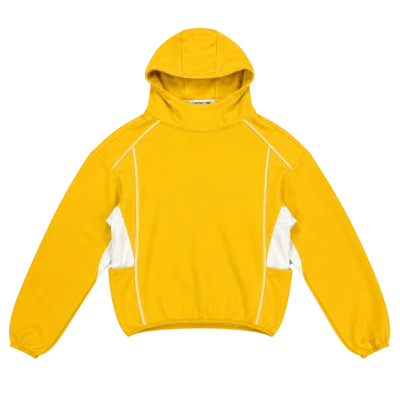 ZH-0216 360 GSM · 85% cotton, 15% polyester Regular fit · no print
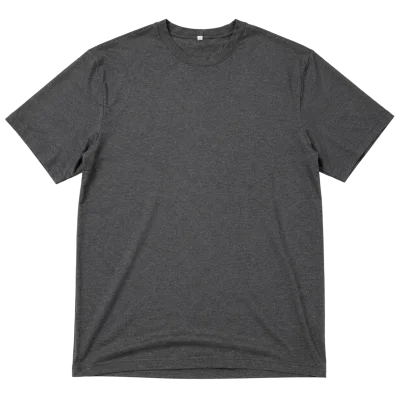 ZH-0418 180 GSM · 100% polyester Regular fit · no print

One of our large customers is a gym and casual-wear brand in Saudi Arabia. For the heat, they wanted very light fabric: mostly 100% cotton of around 180 GSM, around 1,000 pieces of each style. Their own customers found it too thin and shapeless. Thin cotton also goes out of shape the more it is washed. We suggested a bit more weight and a technical polyester fiber in the blend, so the tee holds its shape better after many washes. That solved it.
Cotton takes almost everything: screen print, DTG, DTF and embroidery. Thin tees, fleece and polyester each rule some out. Polyester takes only sublimation. Skip DTF if your buyers use a hot tumble dryer: the heat can make thin lines peel and large areas crack. Where the table says "sample first", we make a sample on your bulk fabric before we say yes. A fabric not in the table, such as modal, or a fabric you send us, is always sampled first. Our screen printing page explains each ink.
| Fabric | Works well | Sample first | Not on this fabric |
|---|---|---|---|
| Light cotton tee | Water-based, rubber paste or plastisol screen print; DTG; DTF; embroidery | — | Sublimation |
| Dark cotton tee | High-solid water-based, rubber paste or plastisol screen print; DTF; embroidery | Discharge; a large DTG print | Plain water-based ink; sublimation |
| Thin tee, about 180 GSM | Water-based screen print; DTG; DTF; a small embroidery | A large rubber paste print | A large high-density print; dense embroidery |
| Cotton tee of 260 GSM or more | Screen print, with puff, high-density and silicone; embroidery | A large, thick print, which can feel hot to wear | — |
| French terry hoodie | Screen print, with puff and high-density; DTF; embroidery | DTG | A heat-pressed label on the looped inside face |
| Brushed fleece hoodie | Screen print with bold lines; DTF; embroidery, with a film on top that dissolves in water | Small, fine details | Puff, high-density and layered prints |
| Cotton-polyester blend | Rubber paste, plastisol or high-solid water-based screen print; DTF; embroidery | Discharge; DTG | — |
| Polyester | Sublimation only, at a partner factory: dark prints on white or light fabric | — | Any white or light print on dark polyester |
| Washed or garment-dyed fabric | Water-based or plastisol screen print; DTF; embroidery | All of them, on the washed fabric | — |
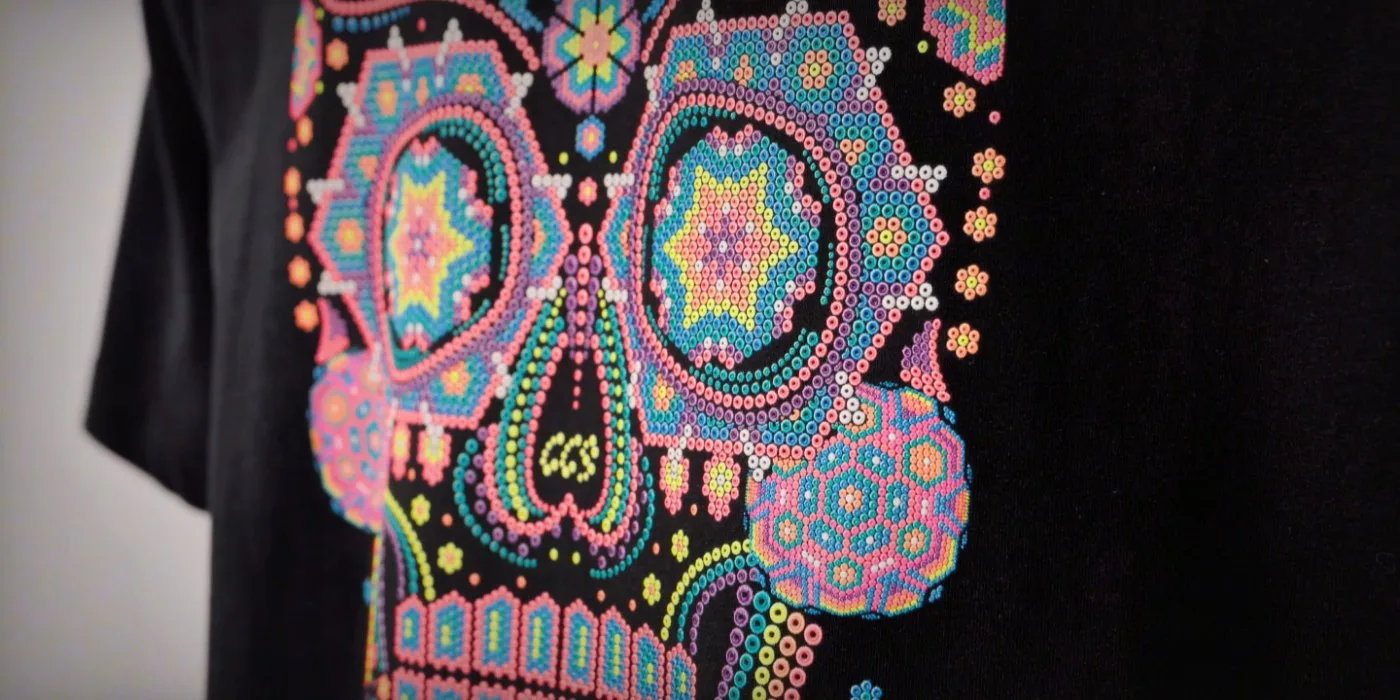
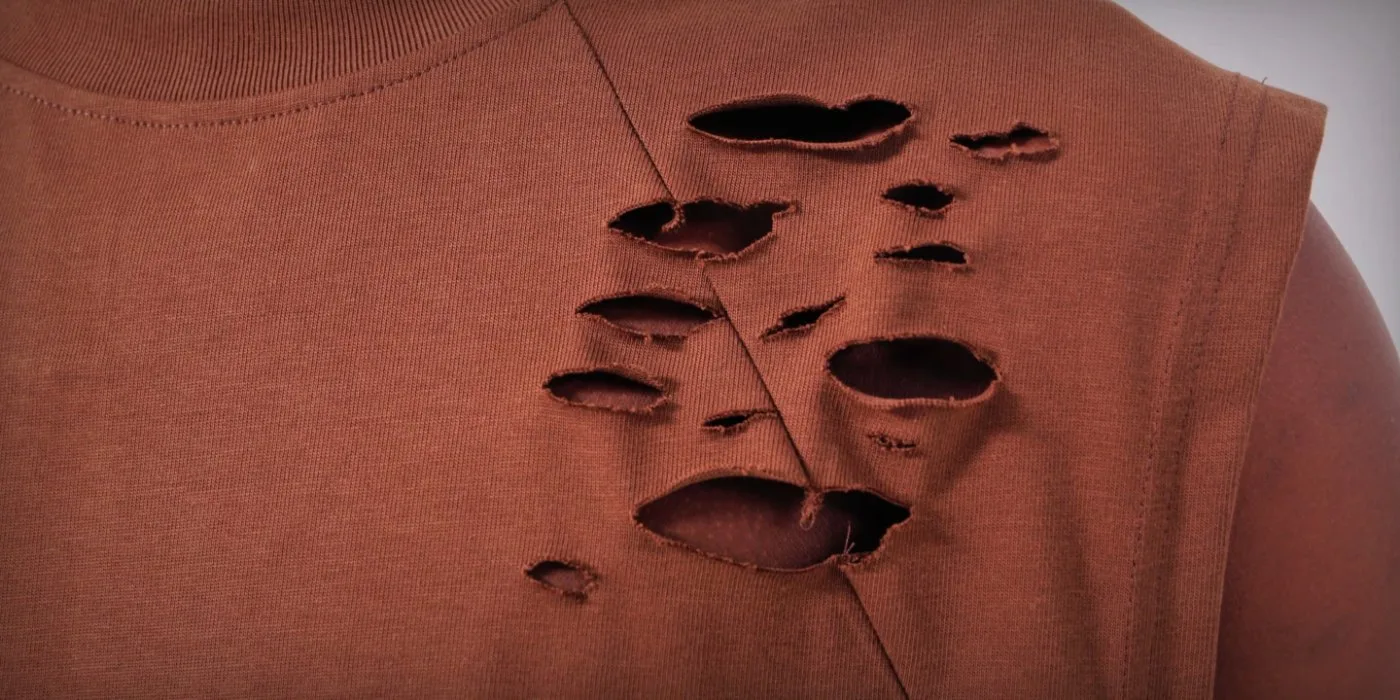
Yes. We use organic cotton fabric from a GOTS-certified mill; the certificate covers the fabric, not our cutting, sewing or printing. For recycled polyester, we can show proof on request, such as GRS, the Global Recycled Standard. Ask for copies with your quote.
We cut, sew and pack in our own factory in Shaxi Town, Zhongshan, and print in our own print shop in Henglan Town, Zhongshan: 70+ people work in the garment factory and 40+ in the print shop. Washing, garment dyeing, embroidery and sublimation printing are done at partner factories, and so is part of the sewing when our own lines are full.
Our sample room has two pattern makers. From a photo or a garment, a pattern takes about 3 days, and our pattern makers grade the sizes too. Before every bulk run we make a pre-production sample, and our QC team checks before production starts, during it and at the end.
UNIT-100 has made clothes since 2001, when our owner's father founded the company. We make about 2 million garments a year; a typical order is 300 to 400 pieces, and about 38% of our customers order again. The factory figures on this page come from Kenneth, our owner, who is the second generation of the family and has worked in the business for 8 years. Meet him, Yunus, quality director at our factory, and Eric, our design director, on our About page.
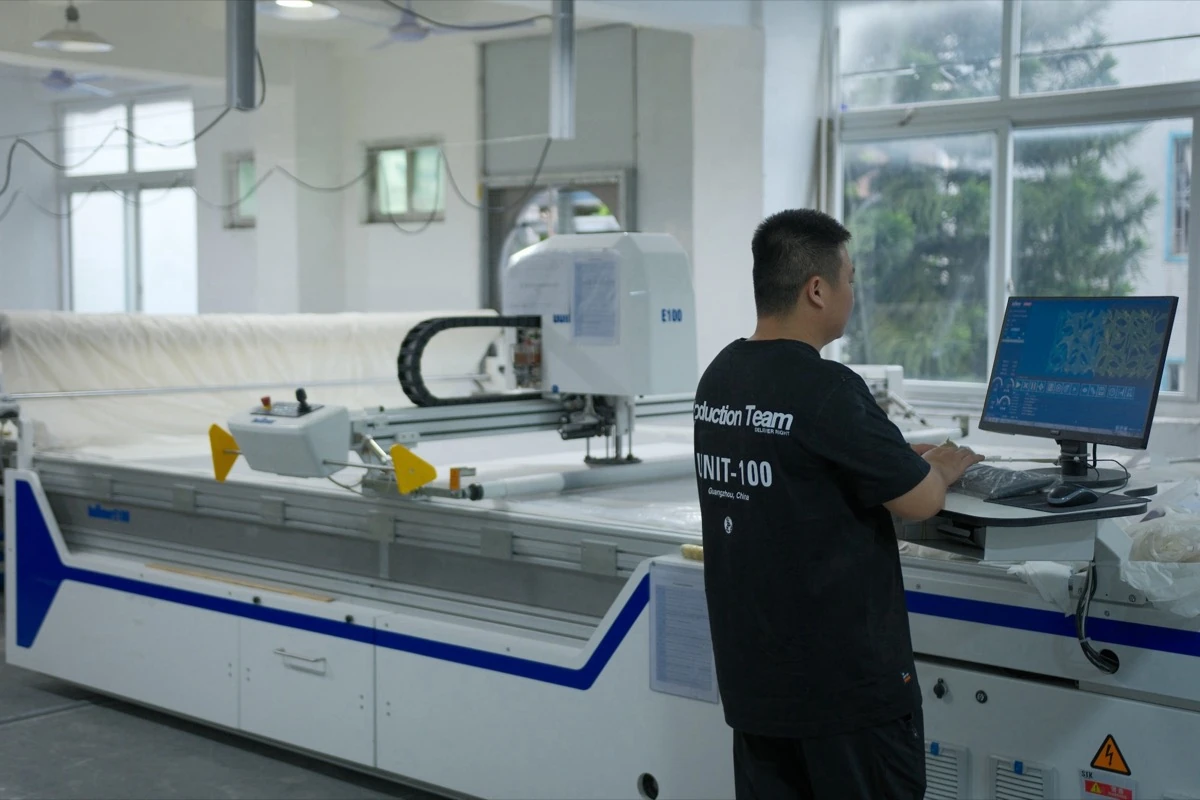
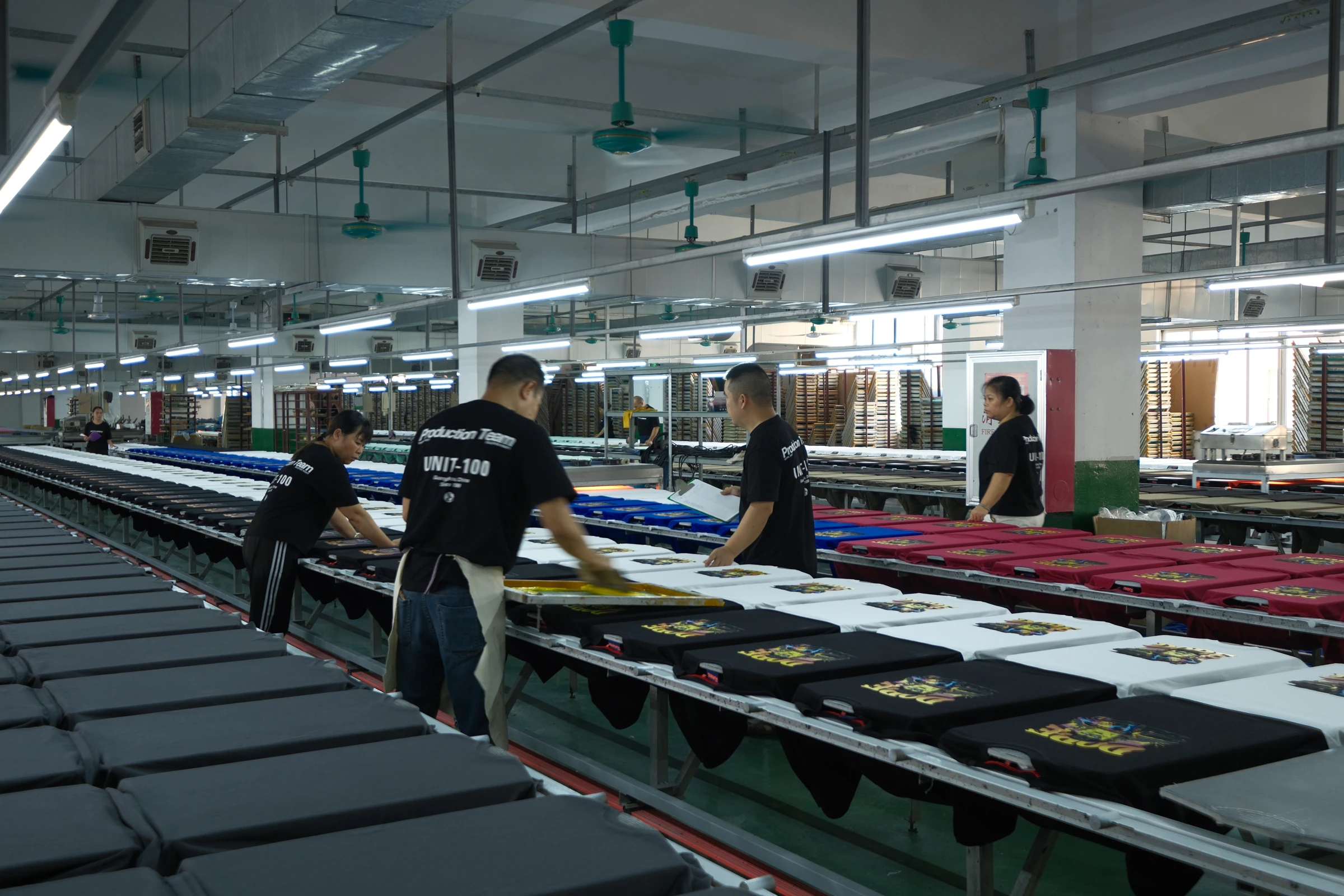
Tell us the fabric you want, check it in a sample that takes about 3–7 days if plain, approve it, wait 7–20 working days for bulk, and receive your order.
Over the past year, 90% of our orders shipped within 2–3 days of the date we promised, early or late.
We reply with a price and the questions we need answered.
About 3–7 days plain, about 10 with one print or embroidery, 12–13 with both, and 14–18 days or more with a wash.
You check the fit, weight and any print on the sample, then pay a 30–50% deposit to start bulk.
7–20 working days after you approve the sample. Before shipping, every batch gets an AQL 2.5 inspection: random pieces checked against the agreed tolerances. A piece outside them is reworked if it can be. If not, it is remade, or you are compensated.
Before you pay the balance, we send photos or a video of your goods. To the US it takes about 7 days by air, about $400 for 100 tees, or about 20 days by sea.
You can pay by bank transfer or PayPal, or order through Alibaba or Made-in-China. You are welcome to send your own inspector. Each 100 can be split across sizes. Fewer than 100 pieces? Start from our stock blanks: 50 per style, with colors and sizes mixed.
About 180 GSM for a light summer tee, and 240–300 GSM for a streetwear tee that holds its shape. We call that range heavyweight. 180 GSM is about 5.3 oz per square yard. We usually cut tees from 160 to 400 GSM, and down to 140 GSM on request. Our customers order tees most often in 210–230 GSM.
Heavier is not always better. Drape comes from the knit and its finishing. A wash can make a fabric stiffer or softer. A customer once asked for 350 GSM, which weighed 380 once washed: too heavy for comfort. Our advice was air-layer at 280 GSM, or 300 washed, and it wears better. More on weight: heavyweight T-shirts.
About 380 GSM, the weight our customers order most. It is our standard too: 380 GSM cotton French terry is the fabric our tech pack prices a hoodie in. Acid-wash hoodies are made in 380–500 GSM. Our usual heaviest is about 600 GSM. We have made a hoodie in 1000 GSM fabric: it needed special machines and workers, and was sewn like denim. French terry has small loops on the inside. Fleece is the same knit with the loops brushed into a soft pile. It is warmer, but it takes fewer kinds of print.
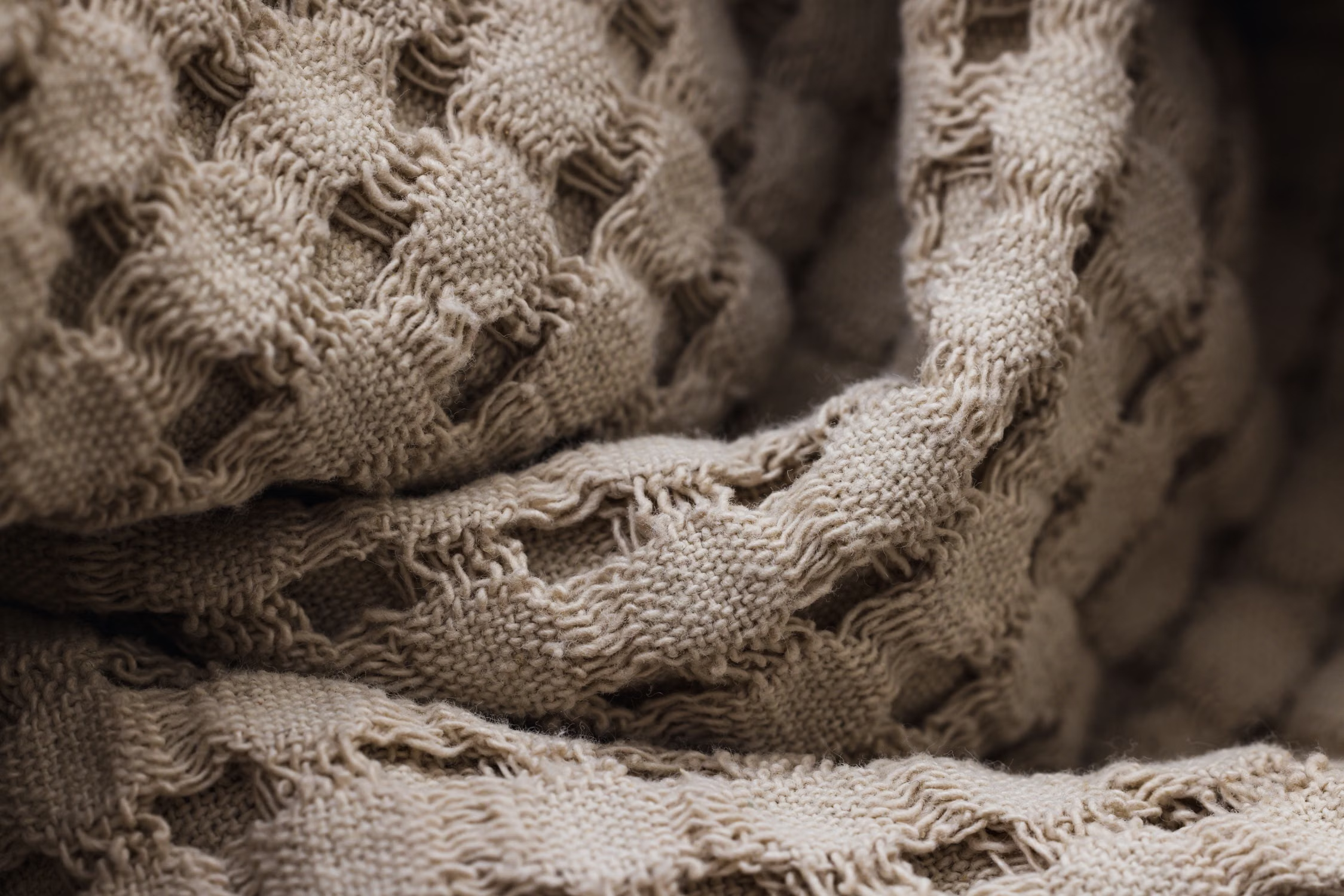
A little. Shrinkage on our fabrics runs 0–5%: it depends on the fabric. Pre-shrunk doesn't mean zero. About 3% is possible only on fabric that has been pre-shrunk or washed. Anything from 5–6% up is a high risk. When a size chart is strict, the fabric is washed before it is cut. For a washed garment, the fabric goes through a wash and a tumble dryer before cutting, so the finished piece shrinks very little.
To the nearest color we hold in your fabric. Send the Pantone TCX code, and our team picks the closest of the 50–100 colors that fabric comes in. We can't promise an exact match.
Very little. In color fastness tests in our own factory, our fabrics usually score grade 4 or above, on a scale of 1 to 5. Red is a fastness risk. For a French company that wanted red fabric, we chose only fabrics that test at grade 4 or higher. We test color fastness again before an order ships. On one tie-dye order, that test caught colors that bled, and we fixed them before shipping.
Often, but not always. Some fabrics aren't made in China at all: they come from Pakistan or India, spun from different yarns. Bringing that yarn in can take an order of about 1,000 pieces in each color, which is often not realistic. Chinese mills, too, use their own blends and yarns. A branded spandex such as Lycra isn't in stock everywhere, so if you name one, we first ask its minimum. The same fiber content from a different raw material doesn't feel the same. So we tell you plainly: if we can make it, we do; if we can't, it has to change; and if it can't change, we can't make it.
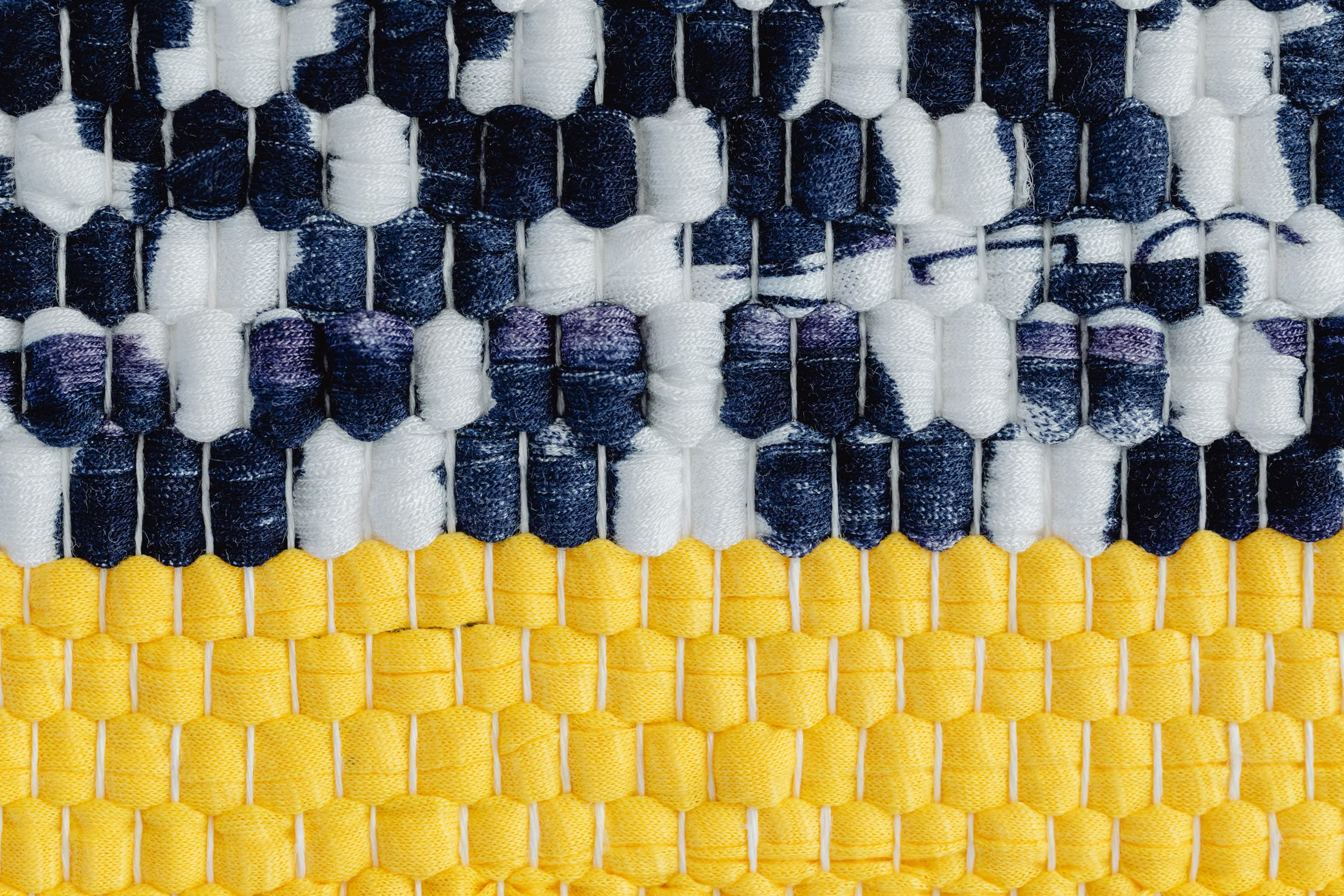
Tell us the fiber, weight, color and feel you want. We will check a real swatch with your design before production.
Discuss your fabric Find Us in Guangzhou
Rooms 511–512, Block A, Wantong International Square, 135 Huanshi West Road, Liwan District, Guangzhou, China
Quick Links
Services

Founded in 2001, UNIT-100 is a cut-and-sew garment factory in Zhongshan, with its office in Guangzhou, making T-shirts, hoodies, sweatshirts and pants for clothing brands.