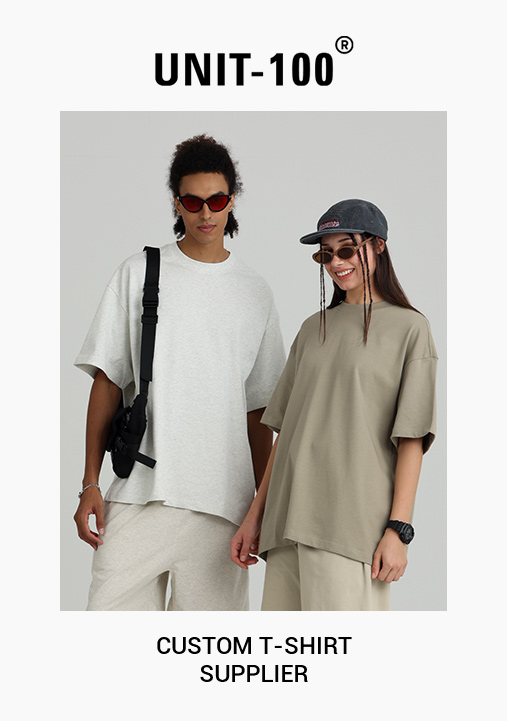


BUILD YOUR FIRST COLLECTION
WITH CONFIDENCE
From product development to final production, we help emerging brands create premium apparel with reliable manufacturing support.
From product development to final production, we help emerging brands create premium apparel with reliable manufacturing support.
Whether you are developing your first product or preparing your next collection, we provide the apparel expertise to help your brand grow.
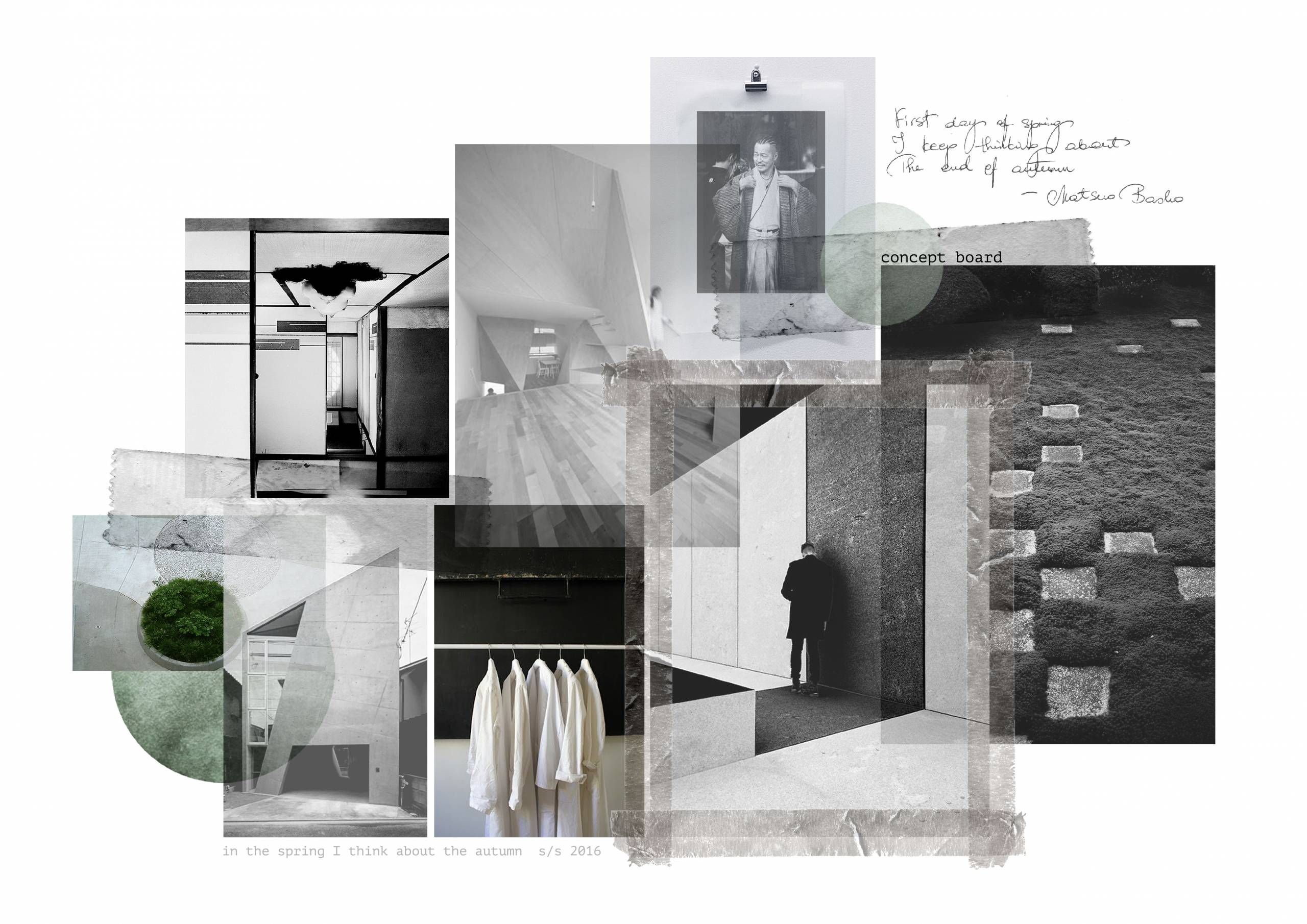
Transform your initial ideas into a clear product direction with professional guidance.
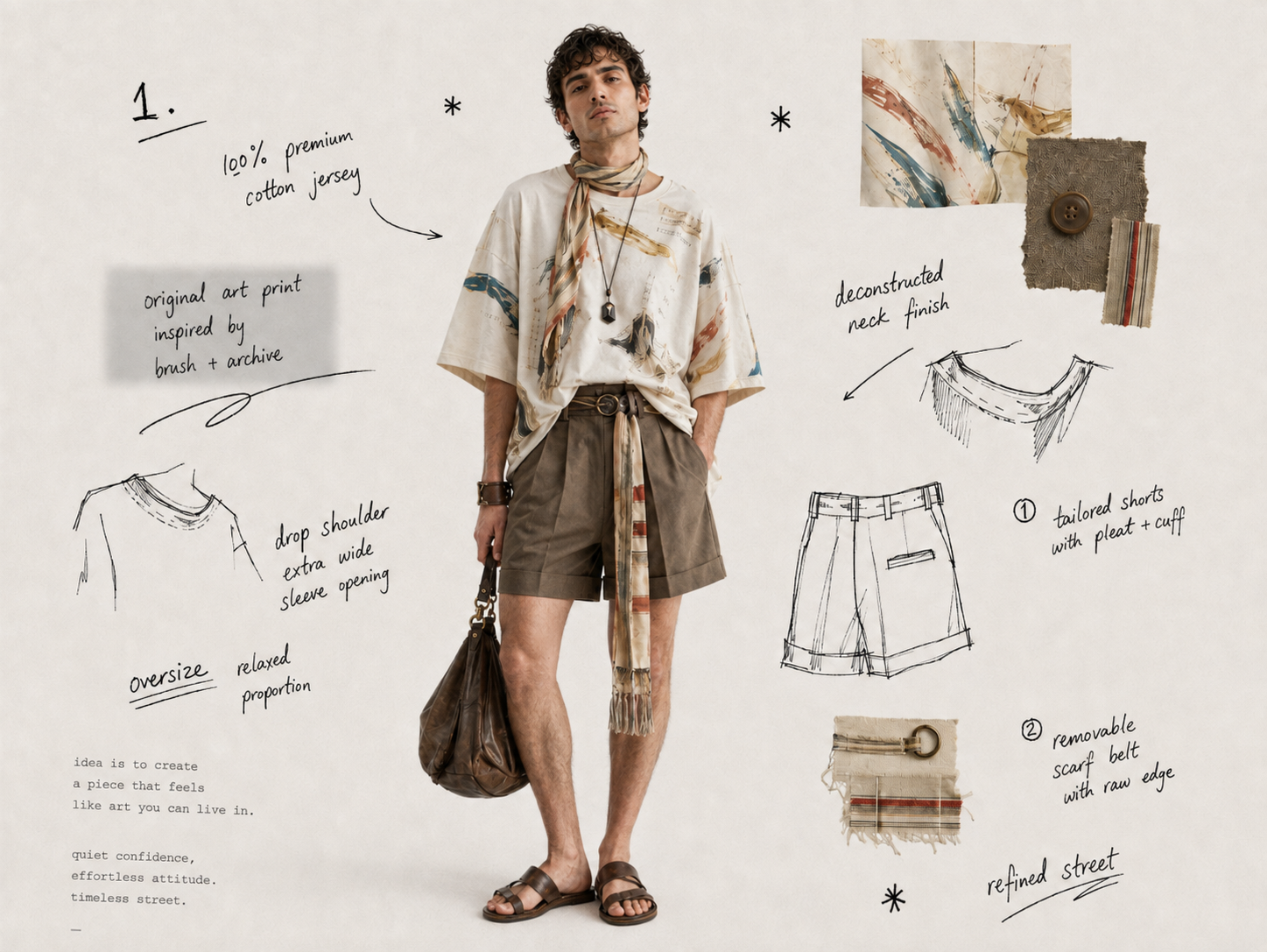
Develop your first styles through sampling, fitting, and product refinement.
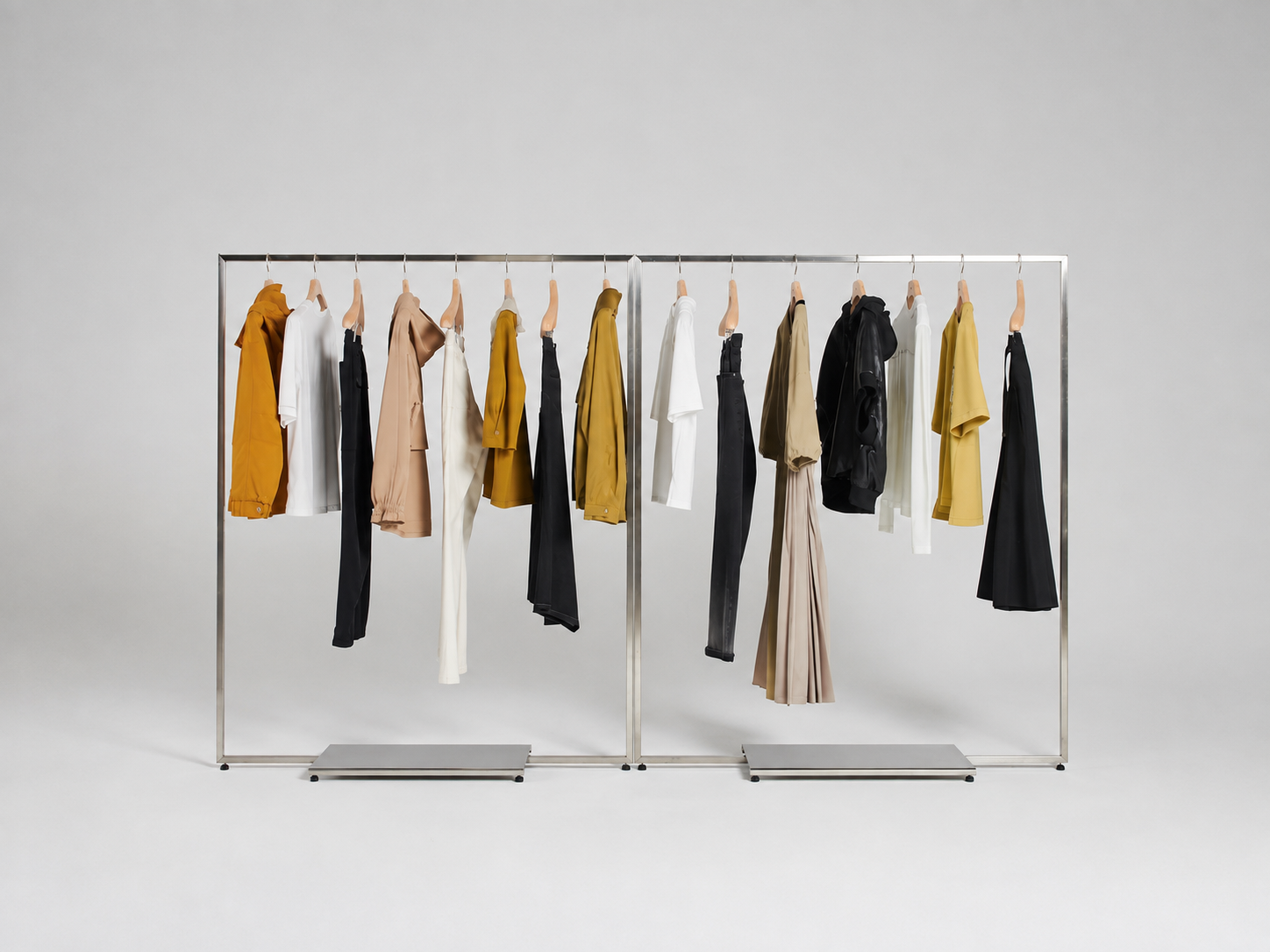
Move into production with reliable manufacturing support and consistent quality control.
Every brand starts with an idea. Turning that idea into a successful collection requires the right experience and support.
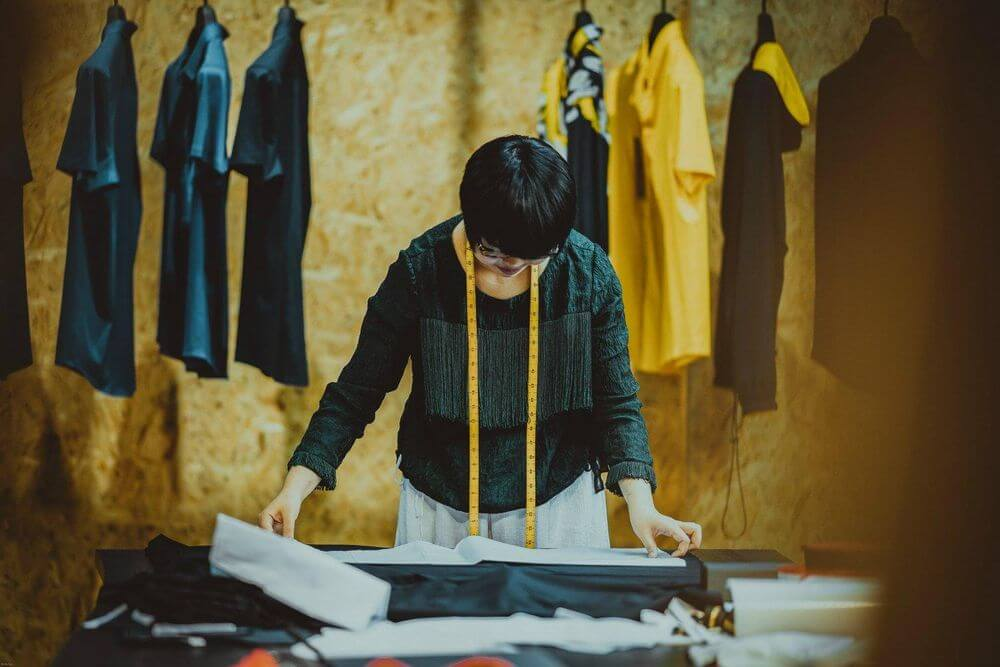
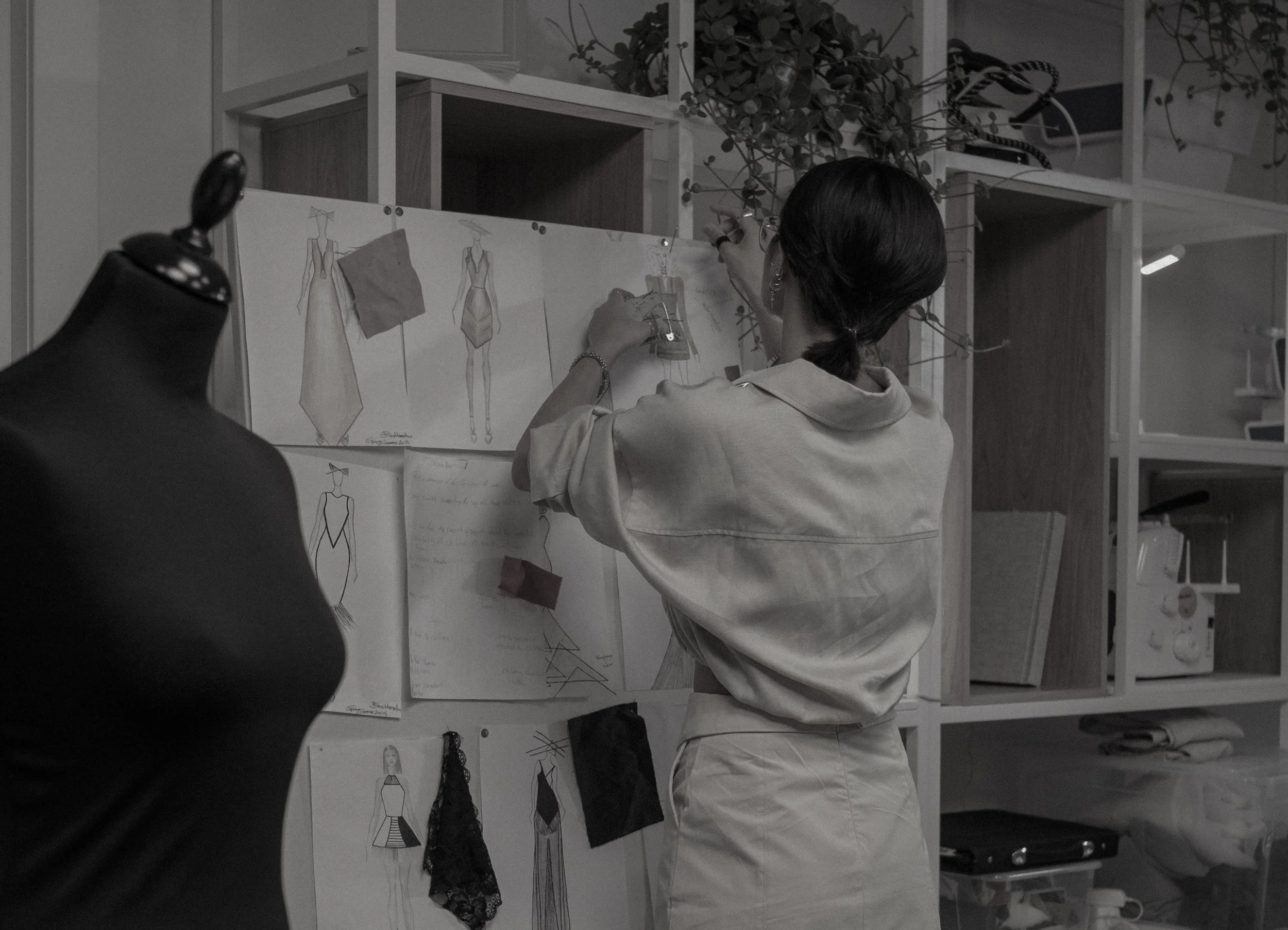
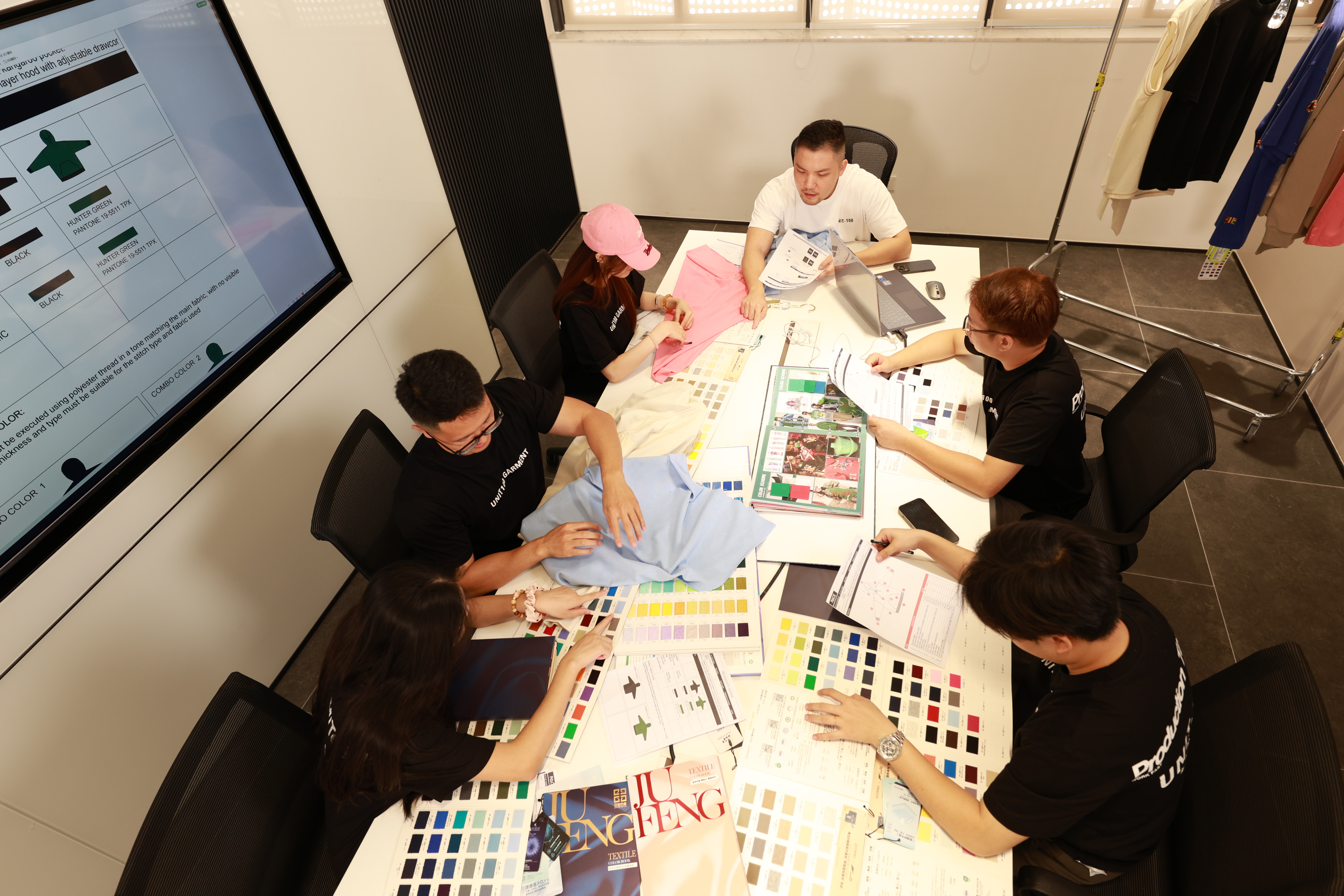
A vision is only the beginning. New brands need clear direction before turning ideas into products.
From fabrics and fit to sampling, every decision shapes the final collection.
Manufacturing requires more than capacity. It requires communication, experience, and trust.
Building your first collection is not simply about manufacturing products. It is about creating the foundation of your brand.
A successful collection starts with more than an idea. Every decision, from product direction to materials and construction, shapes how customers see your brand.
This is why first collections require careful development, professional guidance, and attention to every detail.
Defining the right styles, target customer, and product vision.
Selecting materials, measurements, and construction details.
Creating products that match your vision and production goals.


The strongest collections are shaped before manufacturing begins. Fabric, fit, construction, and production planning determine how your finished garments look, feel, perform, and represent your brand.
Fabric selection creates the physical foundation of every garment. Cotton, organic cotton, cotton blends, French terry, fleece, and specialty materials each produce a different balance of softness, breathability, durability, structure, and perceived product value.
GSM—grams per square meter—describes fabric weight. Around 180 GSM can suit lightweight everyday T-shirts, 220–240 GSM can create a denser premium feel, while 260 GSM and above is often selected for heavyweight, structured streetwear products.
Hand feel / Garment weight / Structure / Durability / Seasonal use / Brand positioning
Fit development transforms a visual idea into a repeatable garment shape. Regular, relaxed, boxy, and oversized fits require different pattern structures, measurements, and proportions. Increasing a standard size does not automatically create a controlled oversized silhouette.
Shoulder drop, chest width, body length, sleeve volume, neckline structure, fabric behavior, and shrinkage must work together. These decisions influence whether the finished garment feels intentional, balanced, comfortable, and consistent across the full size range.
Oversized fit / Garment proportion / Comfort / Size grading / Silhouette / Product identity
Clothing production cost is shaped before bulk manufacturing starts. Fabric consumption, pattern complexity, stitching, washing, printing, embroidery, labels, packaging, sampling, and revision requirements all contribute to the final unit cost.
MOQ also changes the financial structure of a first collection. A lower minimum order quantity may reduce inventory risk, but development and setup costs are distributed across fewer garments. Planning these factors early helps protect quality, retail margin, and cash flow.
MOQ strategy / Sampling cost / Unit cost / Retail pricing / Margin / Inventory risk / Scalability
A successful first launch does not need the widest possible product range. It needs a focused collection that can be developed carefully, produced realistically, and improved through real market feedback.
Many first collections become too complex before the core product has been properly developed, costed, or tested.
Begin with the product that best represents your brand. A lead T-shirt, hoodie, or core silhouette establishes the fit, fabric weight, construction quality, and visual direction for the collection.
Develop supporting styles around a shared system of fabrics, rib, trims, labels, colourways, and decoration methods. This improves consistency while reducing unnecessary development complexity.
Use samples to test fit, shrinkage, fabric behaviour, printing, embroidery, washing, and size grading. Refining these details before bulk production protects product quality and the customer experience.
Confirm fabric consumption, manufacturing cost, minimum order quantity, packaging, and intended retail price before committing to bulk production. The collection must work commercially as well as creatively.
Treat the first collection as a focused market test. Customer feedback, sales performance, returns, and fit comments provide real evidence for improving the next collection and scaling with confidence.
START FOCUSED. VALIDATE DEEPLY. SCALE WITH EVIDENCE.
As a custom apparel manufacturer and product development partner, UNIT-100 connects fabric, fit, construction, decoration, branding, and production as one product system instead of treating them as separate decisions.
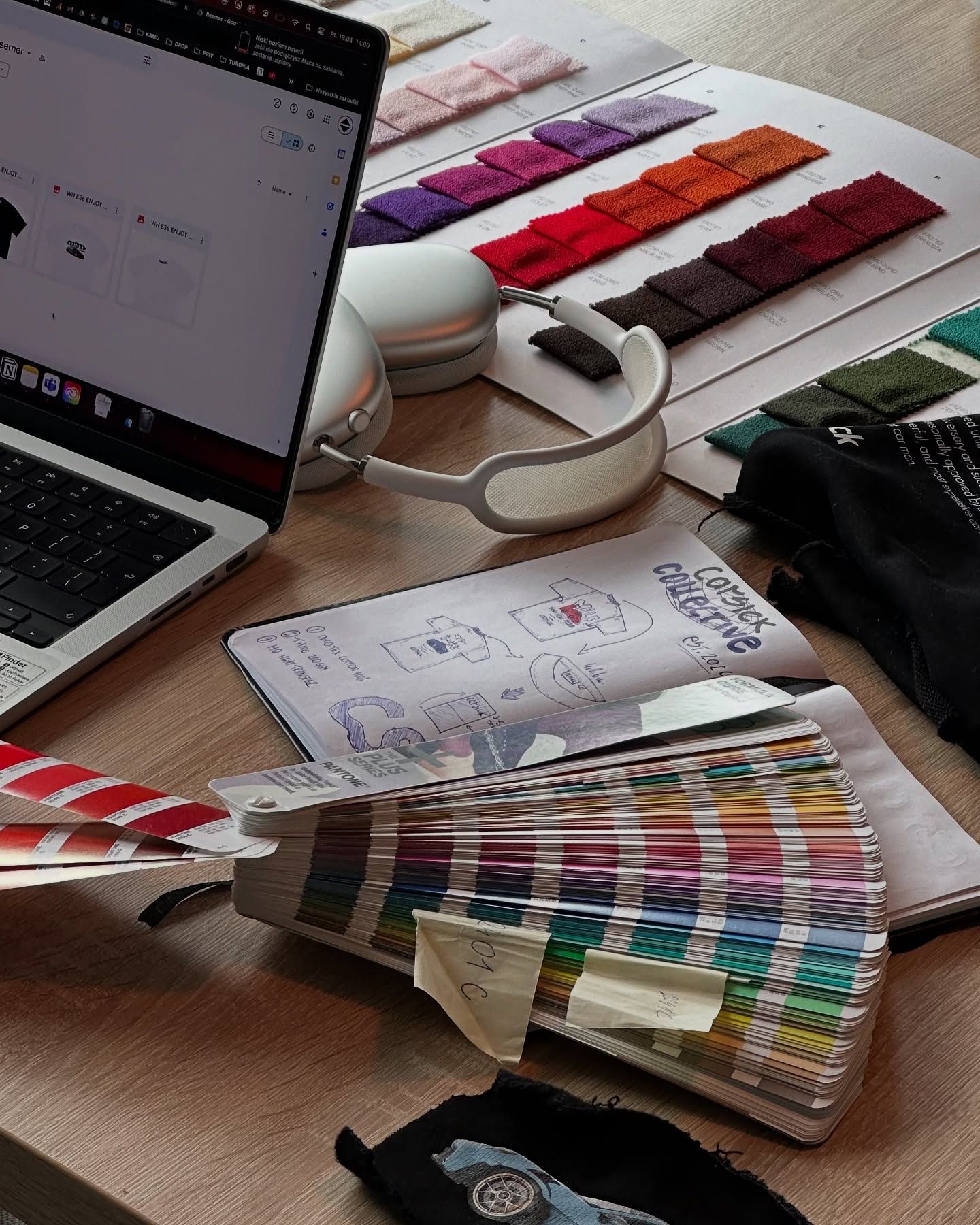
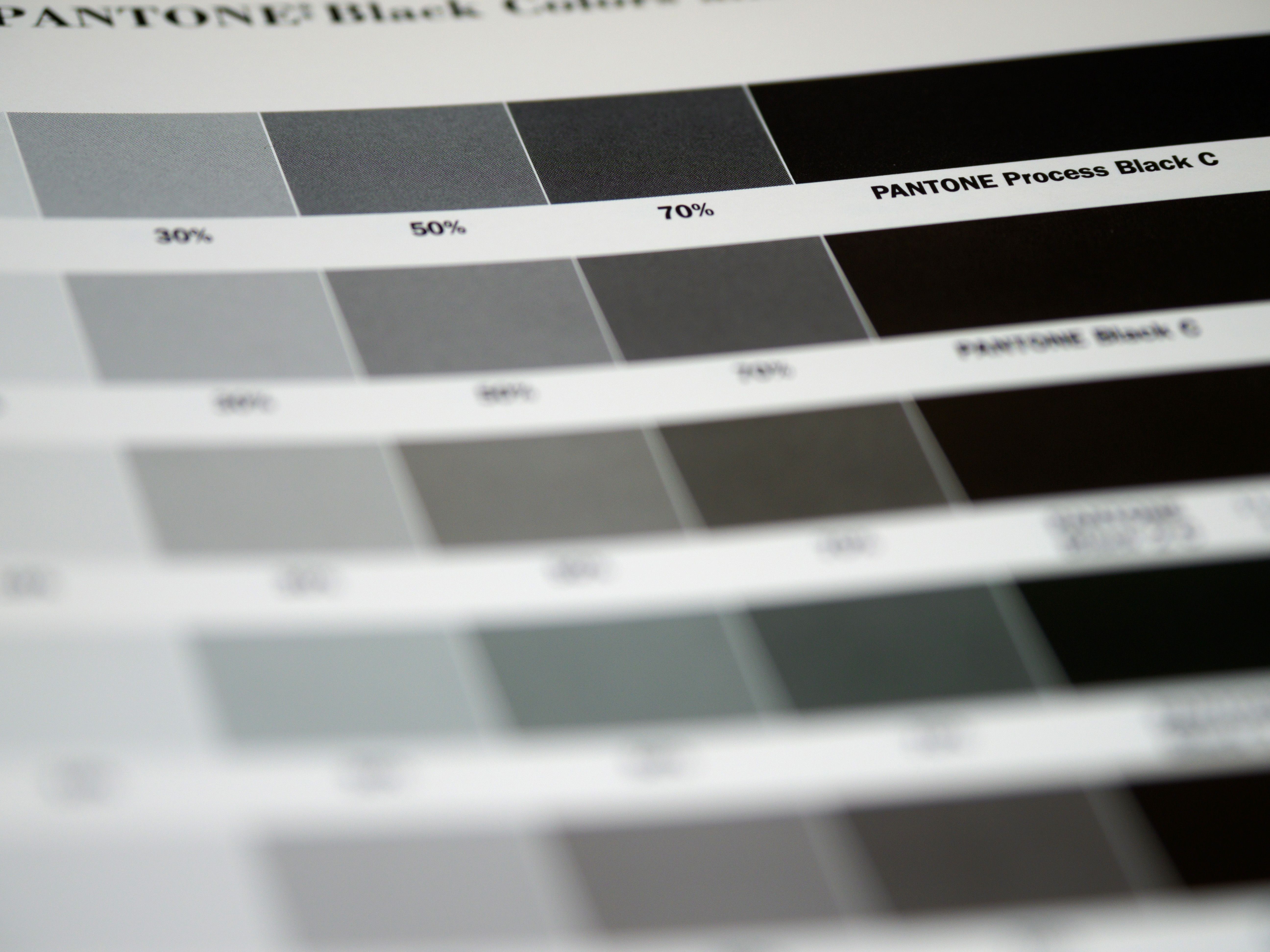
Composition, knit structure, GSM, hand feel, shrinkage, washing, and finishing are selected around the intended product and brand position.
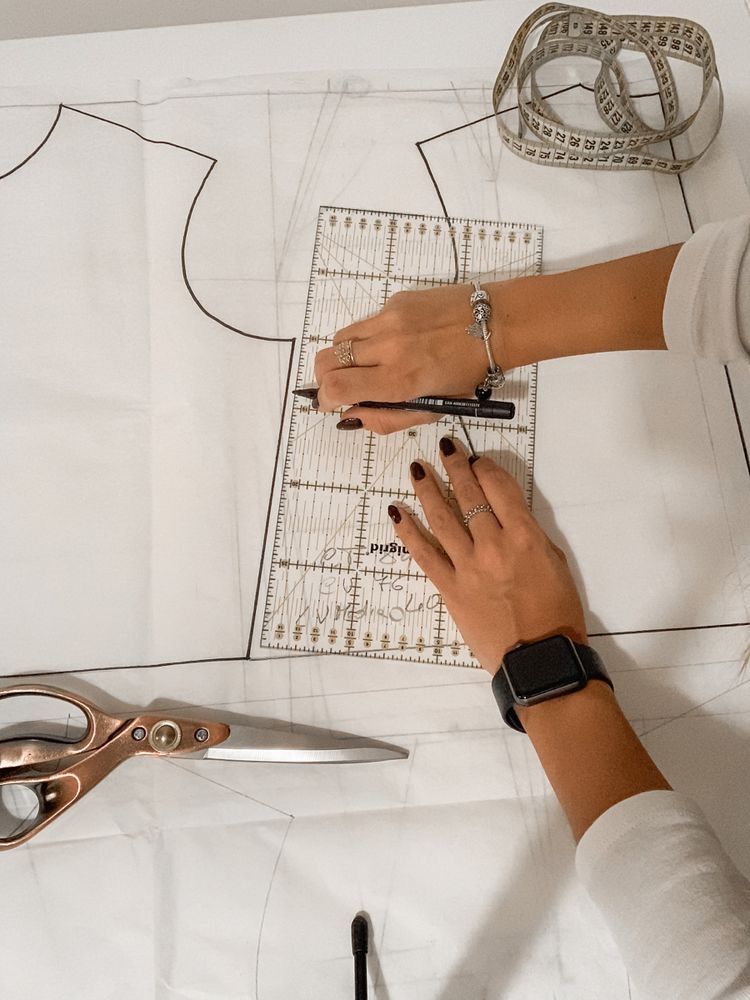
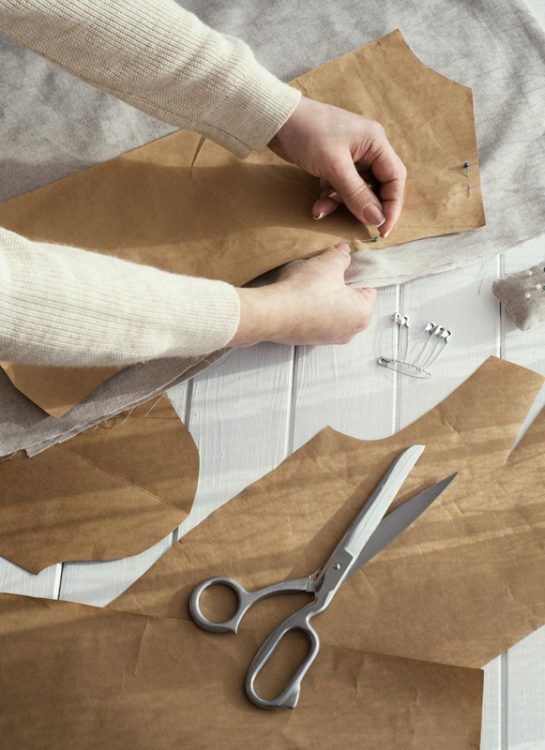
Base blocks, shoulder drop, chest width, body length, sleeve shape, grading, and tolerances are refined into a repeatable silhouette.
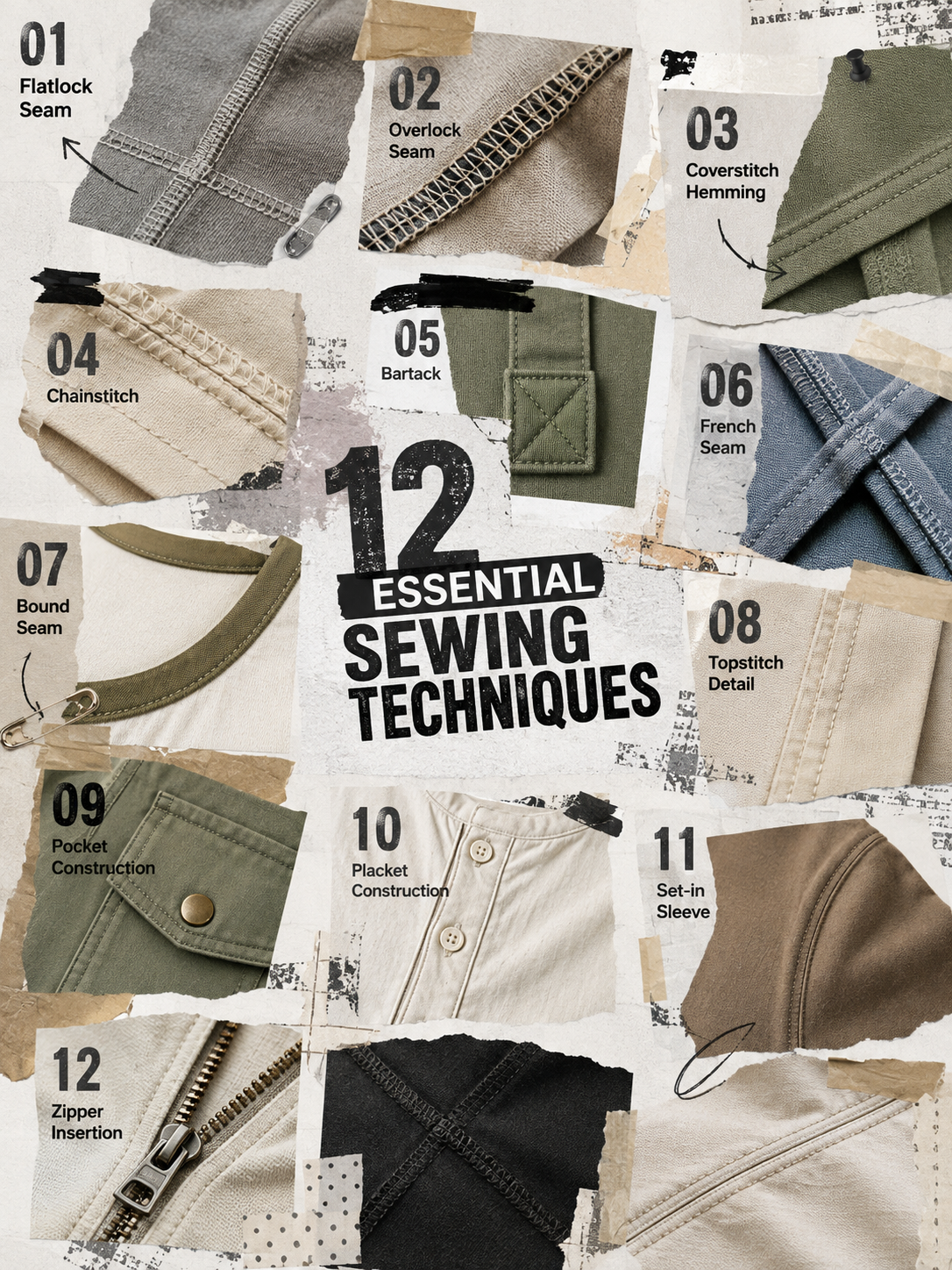
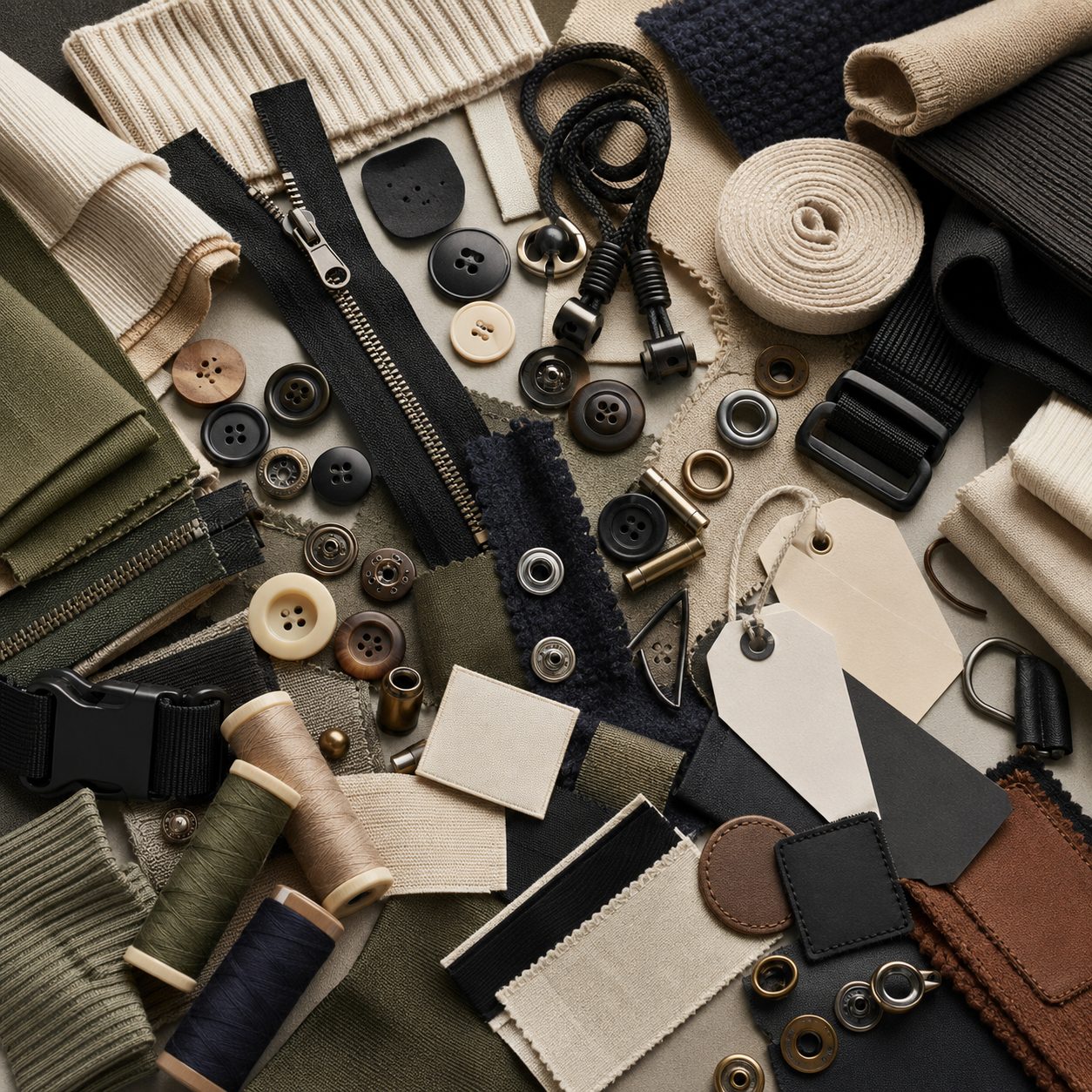
Seams, rib, reinforcement, stitch selection, and finishing are developed around comfort, durability, and the visual quality of the collection.
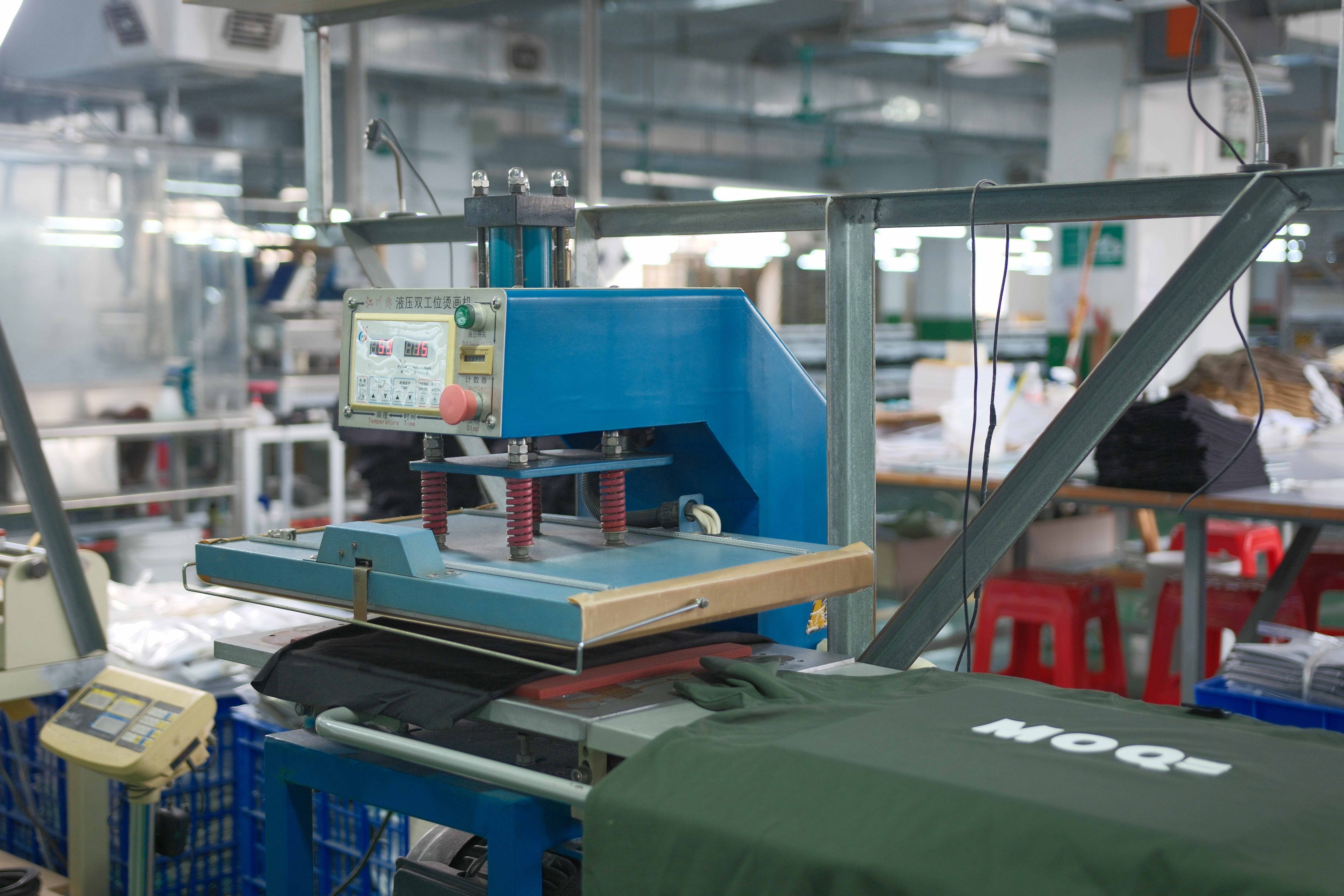
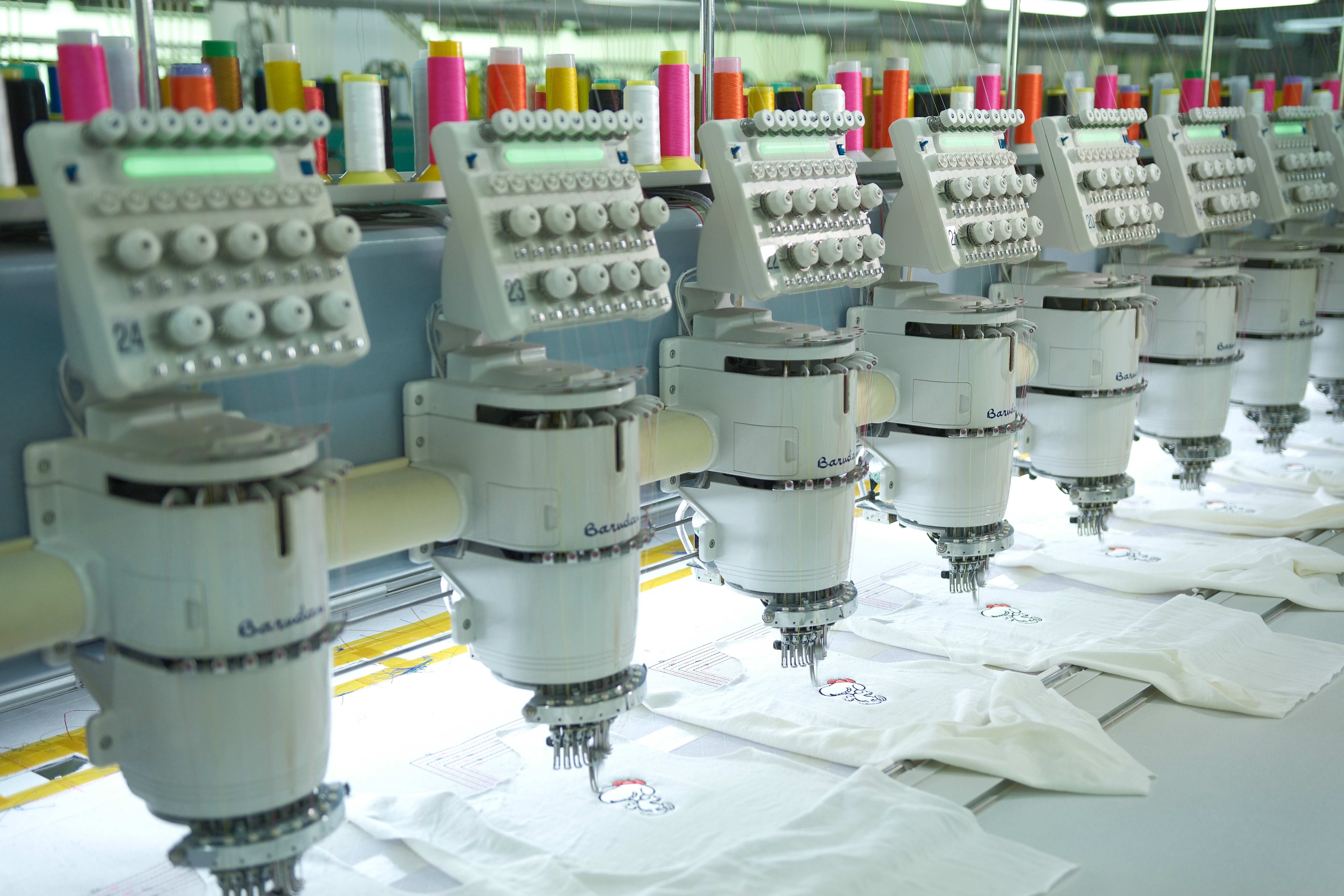
Artwork scale, placement, colour matching, and decoration methods are tested against the selected fabric and intended product finish.
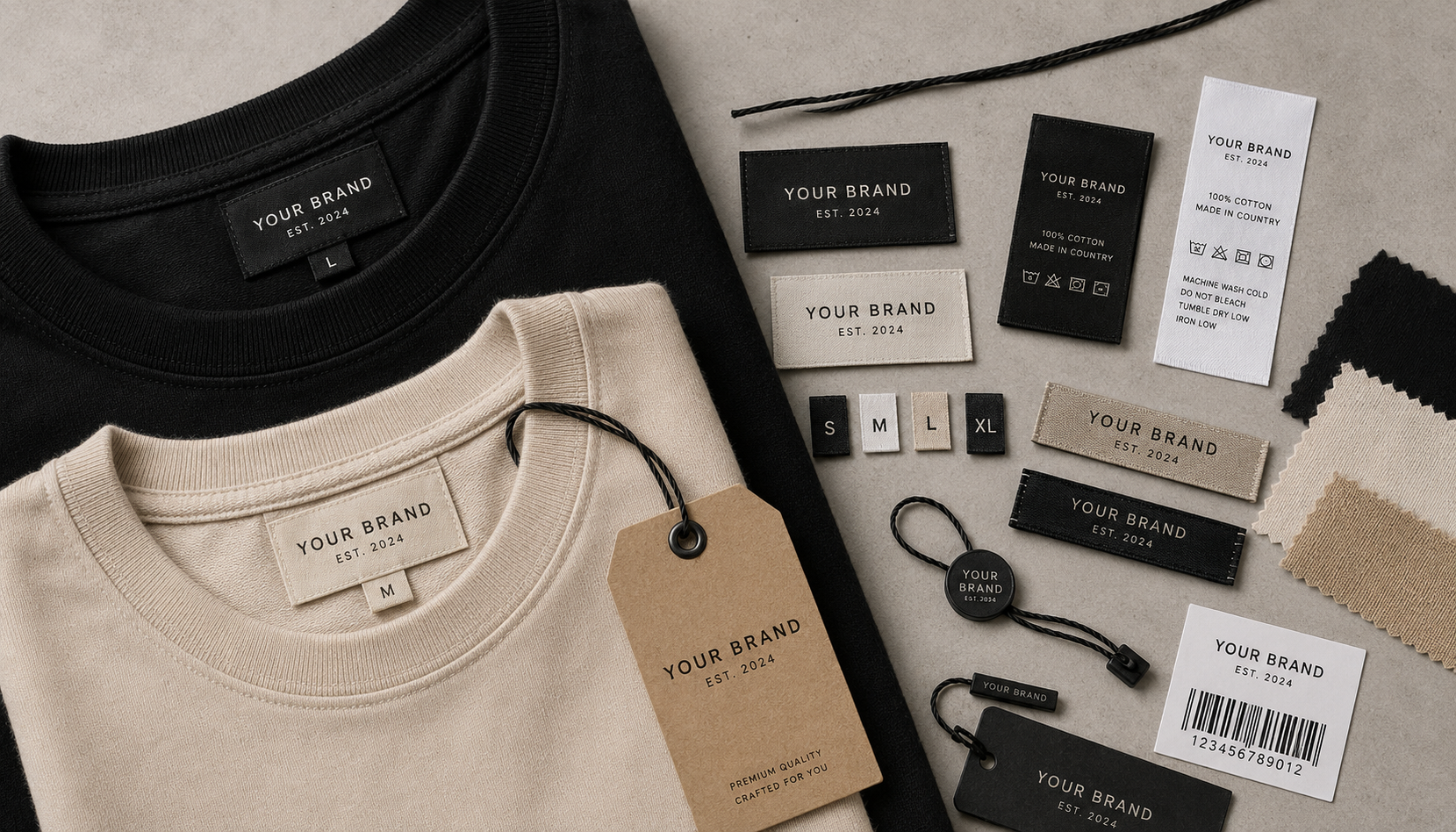
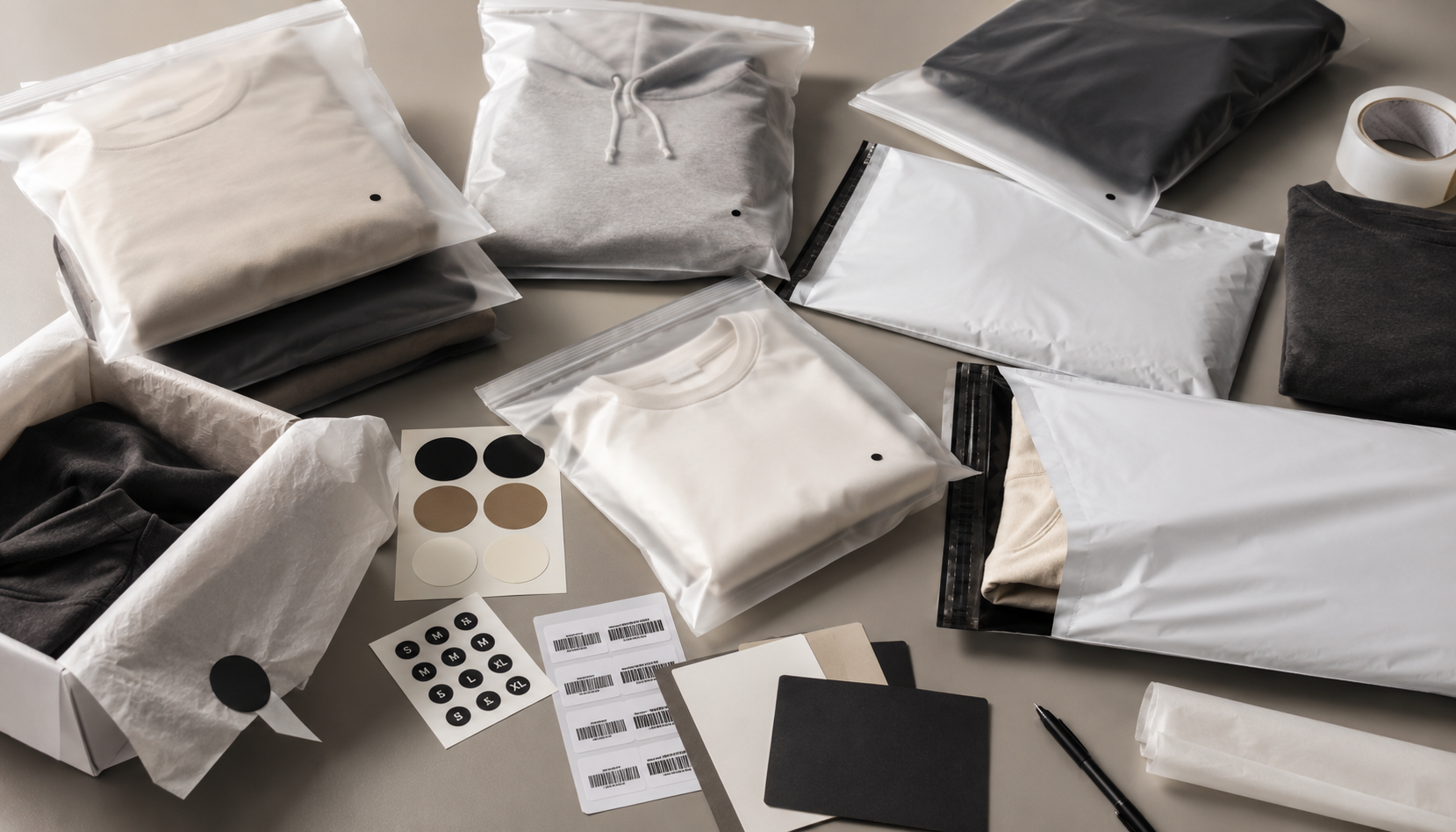
Neck labels, woven labels, hangtags, trims, and packaging are coordinated so the brand feels consistent from garment to delivery.
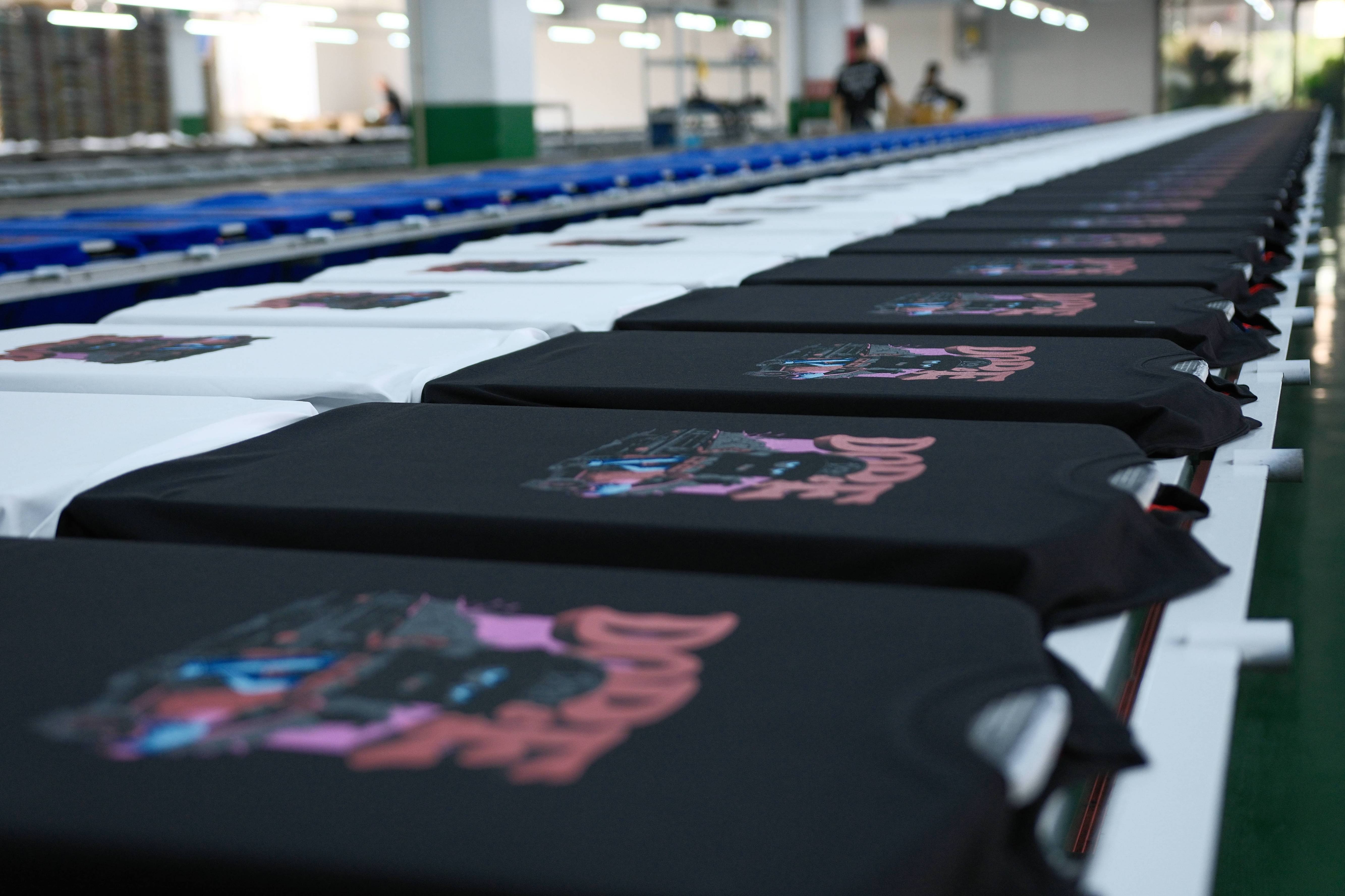
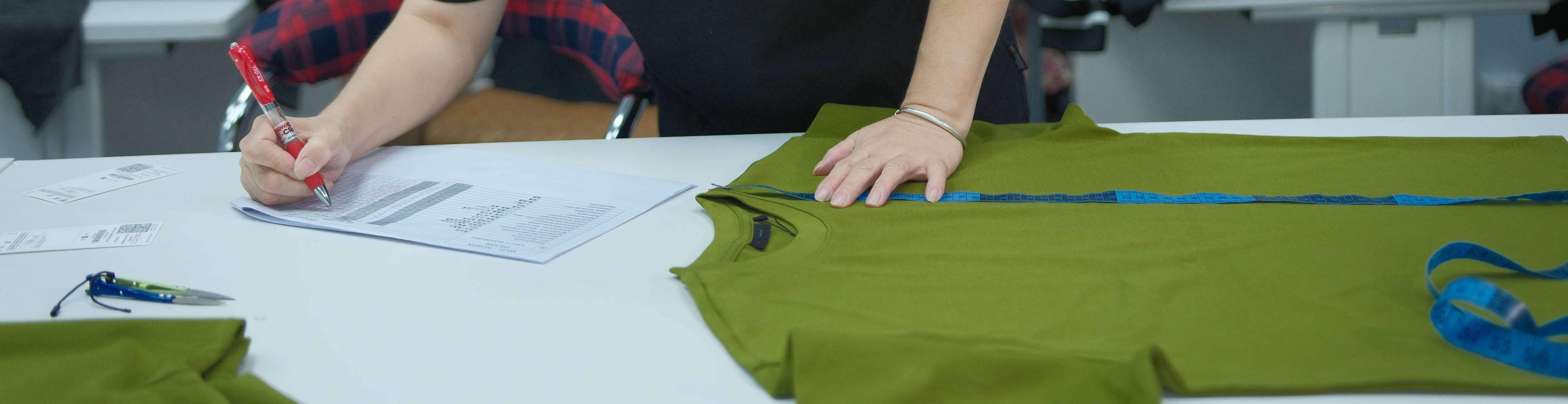
Approved samples, size specifications, material lists, quality checkpoints, and packing standards are translated into controlled production.
A documented look at how an initial direction becomes a production-ready apparel collection.
The project begins by turning an idea into a brief that can actually be developed.
The founder shares the brand direction, reference products, target customer, expected retail level, launch priorities, and the visual language behind the collection.
These early conversations clarify what the product should communicate before decisions about fabric, fit, decoration, or production quantity are made.
Brand references, audience, product ideas and commercial priorities
A focused product-development brief
The visual direction is translated into measurable product decisions.
The first drop is narrowed into a controlled product family. Fabric composition, GSM, silhouette, rib, construction, printing or embroidery, labels, and packaging are aligned before sampling begins.
Focusing the range at this stage reduces unnecessary development and helps every product feel like part of the same brand system.
Fabric, GSM, fit, construction, artwork and branding
Defined technical and visual direction
The first physical sample turns assumptions into something that can be measured and tested.
The sample is reviewed for shoulder drop, chest width, body length, sleeve volume, neckline recovery, fabric hand feel, artwork scale, placement, and construction quality.
Fabric behaviour and expected shrinkage also need to be considered before the silhouette and specification can be treated as production-ready.
Fit, measurements, hand feel, shrinkage and decoration
A documented sample-review report
Feedback becomes measurable changes rather than vague comments.
Pattern shape, measurements, artwork placement, fabric behaviour, finishing details, and construction are revised through clear instructions.
The revised sample is checked again so that each change can be confirmed before the product moves toward final approval.
Pattern, measurements, placement, finish and product balance
An approval sample with confirmed changes
Approval means the product system is ready to be repeated consistently.
The final size set, bill of materials, artwork files, trims, labels, packaging, tolerance standards, and quality checkpoints are confirmed before bulk production.
The result is a production-ready collection supported by a documented development process rather than guesswork.
Size range, materials, artwork, trims, packaging and QC
An approved collection ready for production
Starting your first collection involves decisions around MOQ, tech packs, sampling, revisions, timelines, cost, and production approval. Here are the key things to understand before moving forward.
There is no single MOQ that applies to every clothing project. The workable minimum depends on fabric availability, the number of styles, colourways, size breakdown, construction, printing, embroidery, and finishing requirements. A focused first collection using shared materials and controlled colourways is usually easier to plan than several unrelated products. MOQ should be confirmed after the complete collection structure has been reviewed.
Not always. A complete tech pack is useful, but a new brand can begin with reference garments, sketches, measurements, artwork, intended fit, fabric preferences, and a clear product direction. Before sampling begins, these ideas must be translated into measurable specifications, construction instructions, artwork placement, material requirements, labels, trims, and approval standards.
Yes. A focused first collection is often more effective than launching too many unrelated styles. One hero T-shirt, hoodie, or core silhouette can establish the fit, fabric weight, construction quality, and visual identity of the brand. Supporting products can then be developed around shared fabrics, rib, trims, labels, colourways, and decoration methods.
Sample development tests whether the product direction works physically before bulk production. Fabric hand feel, GSM, fit, measurements, shrinkage, stitching, artwork scale, decoration, labels, and finishing are reviewed together. The first sample is a development tool rather than an automatic final product, so feedback must be converted into clear, measurable revisions.
There is no universal number of sample revisions. A clear design based on an existing fit may require fewer rounds, while a new oversized silhouette, custom fabric, wash, or complex decoration may require more testing. The objective is not to avoid revisions, but to resolve fit, construction, material, and artwork issues before bulk manufacturing begins.
Product development and bulk production should be planned as separate stages. Development may include fabric sourcing, pattern work, sample making, shipping, fit review, wash testing, artwork testing, and revisions. The final timeline depends on product complexity, material availability, sample rounds, approval speed, production quantity, and shipping requirements.
Clothing production cost is not based on sewing alone. Fabric composition and consumption, MOQ, pattern complexity, stitching, washing, printing, embroidery, labels, packaging, testing, and finishing can all affect the final unit cost. Sampling and product development may also be calculated separately from bulk production.
Before bulk production, the approved sample, measurements, tolerances, size grading, fabric, colour, bill of materials, artwork placement, labels, trims, packaging, order quantities, and quality requirements should be confirmed. A pre-production sample or equivalent approved reference should represent the product that will be repeated during manufacturing.
 You Can Find Us Here
 Room 5/F-11,Block A Wantong International Square Liwan District,Guangzhou.
Quick Links
Services

Founded in 2001, UNIT-100 is a custom clothing manufacturer, specializing in high-quality T-shirts, hoodies, and other knitwear.