
Please fill out the form below to request a quote or to request more information about us. please be as detailed as possible in your message, and we will get back to you as soon as possible with a response. we're ready to start working on your new project, contact us now to get started.
Why Custom Apparel Is The Future Of Personalized Fashion
2025-12-18
UNIT-100
57
In a world where self-expression and individuality are more valued than ever, custom apparel is revolutionizing the fashion industry. Gone are the days of one-size-fits-all clothing; today’s consumers crave pieces that tell their unique story and reflect their personal style. Discover why custom apparel is not just a trend, but the future of personalized fashion—and how it’s empowering people to redefine the way they dress, shop, and connect with their wardrobe. Read on to explore the exciting possibilities that custom clothing brings to your closet and lifestyle.
- The Rise of Individuality in Modern Fashion
### The Rise of Individuality in Modern Fashion
In today’s rapidly evolving fashion landscape, the rise of individuality stands as one of the most significant cultural shifts influencing consumer behavior and market trends. Gone are the days when mass-produced clothing dominated wardrobes worldwide; instead, modern consumers increasingly seek unique, personalized pieces that reflect their distinct identity, values, and lifestyle. This growing desire for self-expression has fueled the surge of custom apparel as a defining hallmark of contemporary fashion.
At the core of this transformation is the understanding that fashion is no longer just about wearing what is trendy or widely accepted; it has become a powerful medium for storytelling and identity construction. People want their attire to communicate who they are — their personality, aspirations, and creativity — rather than simply conforming to generic, cookie-cutter designs. Custom apparel embodies this shift perfectly, enabling wearers to tailor every aspect of their clothing, from fabric choice and fit to color schemes, patterns, and personalized graphics. By engaging directly in the creation process, consumers reclaim control over their style and break free from the limitations imposed by mass-market fashion.
Technological advancements have played a pivotal role in accelerating the rise of individuality through custom apparel. Innovations such as digital printing, 3D design software, and user-friendly online customization platforms have democratized fashion customization, making it accessible to broader audiences across the globe. These tools empower everyday consumers, designers, and small businesses alike to create bespoke garments without the need for large-scale production facilities or significant upfront investments. This accessibility not only supports creative freedom but also nurtures a culture that celebrates diversity and inclusivity by acknowledging that everyone’s fashion preferences are unique.
Moreover, the cultural landscape today places a premium on sustainability and ethical consumption — values that align closely with custom apparel. Many consumers today view their clothing choices as a reflection of their broader ethical stance. Custom apparel, often produced on demand, minimizes overproduction, reduces waste, and promotes a slower fashion model. This eco-conscious approach resonates strongly with individuals who are keen to avoid the environmental pitfalls of fast fashion, reinforcing the significance of personalized, mindful apparel that lasts and truly fits their body and style.
Social media and influencer culture further amplify this quest for individuality. Platforms like Instagram, TikTok, and Pinterest expose users to a myriad of styles and ways to personalize fashion, sparking inspiration and the desire to stand out. Influencers supporting custom apparel brands demonstrate the beauty of wearing one-of-a-kind pieces that can’t be found anywhere else, driving consumer interest and participation in custom fashion. This creates a vibrant cycle of creativity and community wherein custom apparel becomes a means for people to connect through shared yet distinct aesthetic values.
Another critical dimension of individuality in modern fashion is how custom apparel serves niche markets and subcultures whose needs mainstream fashion often neglects. Whether it’s adaptive clothing for people with disabilities, modest fashion for religious communities, or streetwear inspired by local cultures, custom apparel offers tailored solutions that speak directly to those unique preferences. By catering to these diverse demands, custom apparel not only elevates inclusivity but also disrupts conventional fashion hierarchies that favored a narrow definition of beauty and style.
In addition, the psychological impact of wearing custom apparel cannot be overstated. When individuals engage in designing or selecting personalized garments, they develop a deeper emotional connection with their clothing. This bond fosters confidence, authenticity, and self-appreciation, transforming the act of dressing into a daily ritual of self-care and empowerment. The rise of individuality through custom apparel therefore transcends surface-level aesthetics, rooting itself in meaningful personal expression and wellbeing.
In the broader context of the fashion industry, this shift challenges brands, retailers, and manufacturers to rethink their traditional business models. Companies that embrace customization and personalization stand to gain loyal customers who value exclusivity and personal relevance. This not only drives innovation in product development and marketing but also invites collaboration between consumers and creators, cultivating a more interactive and dynamic fashion ecosystem.
Ultimately, the rise of individuality in modern fashion heralds a new era where custom apparel is no longer a niche offering but a mainstream expectation. It reflects a fundamental change in how people relate to clothing, embracing diversity, sustainability, creativity, and empowerment. As consumers continue to prioritize self-expression over one-size-fits-all solutions, custom apparel will lead the charge in shaping the future of personalized fashion.
- How Custom Apparel Enhances Personal Expression
In an age where individuality and self-expression have become paramount, custom apparel stands out as a revolutionary tool that allows people to communicate their unique identities through fashion. Unlike mass-produced clothing, which tends to follow generalized trends and sizes, custom apparel offers a bespoke canvas for personal creativity, enabling wearers to make bold statements and embrace their distinctiveness. This growing preference signals a significant shift in the fashion landscape, where consumers increasingly seek garments that resonate with their personal narratives, values, and aesthetics.
At its core, custom apparel provides complete control over design elements—ranging from fabric selection, color schemes, and cuts to graphics, text, and embroidery. This autonomy transforms clothing from mere functional items into powerful vehicles of storytelling. For instance, someone might choose a t-shirt emblazoned with a meaningful quote, an original piece of artwork, or a design reflecting cultural heritage. By doing so, they effectively turn their attire into a walking billboard of their interests, beliefs, and experiences. This level of customization not only fosters a deep emotional connection between the wearer and their clothing, but also sparks conversations and connections with like-minded individuals.
Moreover, the rise of digital design tools and on-demand manufacturing has democratized access to custom apparel, making it feasible for individuals regardless of design expertise to bring their visions to life. These technological advancements have streamlined the creation process: customers can experiment with different ideas using intuitive online platforms, preview their designs in real time, and fine-tune details before placing orders. This participatory design experience enhances personal engagement and satisfaction, as consumers are no longer passive recipients of fashion trends but active collaborators in crafting their wardrobe narratives.
Custom apparel’s influence extends beyond mere aesthetics; it also challenges conventional norms related to identity and inclusivity in fashion. Traditional clothing lines often adhere to rigid sizing charts and homogenous styles, which can alienate those who wish to express identities that don’t conform to mainstream ideals. Custom apparel, however, accommodates diverse body shapes, gender expressions, and cultural backgrounds, fostering a more inclusive environment where everyone can find or create pieces that celebrate their uniqueness. This inclusivity not only broadens the definition of beauty and style but also empowers marginalized voices to be visually and culturally represented, reinforcing the importance of personal and societal expression through fashion.
Another dimension of personal expression enhanced by custom apparel is the ability to generate limited-edition or one-of-a-kind items. Wearing something specifically designed for oneself or produced in minimal quantities elevates the sense of exclusivity and personal value attached to the garment. Unlike mass-market products that can be widely found and duplicated, custom apparel often embodies particular memories, passions, or milestones, making each piece a wearable artifact of personal history. This emotional resonance adds layers of meaning, making fashion an intimate form of self-expression rather than a transient commodity.
Furthermore, custom apparel encourages sustainability by promoting thoughtful consumption. When consumers invest time and creativity into designing their clothes, they tend to develop a stronger attachment and take better care of their items, reducing waste and overconsumption. This conscious personalization aligns with modern values of mindful living and ethical fashion, positioning custom apparel not only as a medium for self-expression but also as a responsible choice that reflects one’s principles and lifestyle.
The social aspect of custom apparel also cannot be overlooked. Groups, communities, and organizations increasingly use custom-designed clothing to foster identity and solidarity. From sports teams and clubs to advocacy groups and influencers, custom apparel creates visual cohesion and a shared sense of belonging. At the same time, individuals use personalized designs to highlight causes they care about, making fashion a platform for activism and awareness. This blurs the traditional lines between style and social statement, elevating custom apparel from a mere aesthetic to a symbol of collective and individual identities.
Ultimately, custom apparel amplifies personal expression by granting unprecedented freedom, inclusivity, and meaning in how people present themselves to the world. It transforms clothing into a personal narrative, a cultural statement, and a social tool, reflecting the evolving demands and desires of twenty-first-century consumers who crave authenticity and individuality in every aspect of their lives. Through custom apparel, fashion transcends its functional origins, becoming an artful and empowering means of self-assertion in an increasingly interconnected and diverse world.
- Technological Advances Driving Customization
**Technological Advances Driving Customization**
The fashion industry has always thrived on innovation, but the rise of custom apparel marks a revolutionary shift shaped and accelerated by rapid technological advances. As consumers increasingly seek personalized, unique clothing that reflects their individual identities, brands and manufacturers are leveraging cutting-edge technologies to meet these demands efficiently and creatively. The transformation of custom apparel from a niche market into a mainstream fashion trend is fundamentally underpinned by breakthroughs in digital design, manufacturing processes, and data-driven personalization.
One of the most significant technological enablers of custom apparel is the integration of advanced 3D visualization and design software. Unlike traditional design methods that rely heavily on physical samples and prototypes, designers can now use sophisticated CAD (Computer-Aided Design) tools combined with virtual simulation to create highly detailed and realistic representations of garments. This technology not only speeds up the design phase but also empowers customers to visualize modifications in real time. Interactive platforms allow users to tweak style, color, patterns, and even fabric choices, fostering a highly engaging co-creation experience. The result is a seamless collaboration between brands and consumers, where end products align perfectly with personal preferences.
Digital printing technologies have further transformed customization possibilities. Inkjet and dye-sublimation printing methods enable brands to produce vibrant, intricate designs on demand with exceptional color precision and material versatility. Unlike conventional screen printing, which requires lengthy setup and batch runs, digital printing allows for single-item customization without sacrificing quality or durability. This agility dramatically reduces waste and inventory, aligning well with the sustainability imperatives that many consumers now expect from fashion brands. As a result, custom apparel becomes not only a personalized statement but also an eco-conscious choice that addresses the growing societal emphasis on responsible consumption.
Automation and robotics add another vital layer to the customization landscape. Advances in automated sewing machines, laser cutters, and fabric handling technologies have enabled manufacturers to execute complex custom designs faster and with greater consistency. This level of precision and speed was previously unattainable, especially for low-volume or one-off apparel. Robotics also facilitate on-demand production models, minimizing excess stock and enabling rapid turnaround times. Consequently, customization is no longer limited by high cost or slow production, making custom apparel accessible to a broader audience.
Data analytics and artificial intelligence play a crucial role in enhancing customization by interpreting customer preferences and predicting trends. Machine learning algorithms analyze vast amounts of consumer data—from purchase history and style choices to social media activity—to offer intelligent recommendations that align with a person’s tastes and body measurements. Virtual fitting rooms powered by AI allow shoppers to try on clothes digitally, ensuring better fit and satisfaction. This personalized approach not only elevates the shopping experience but also reduces returns and improves overall customer loyalty. Through AI-driven customization, brands can deliver apparel that feels tailored to the individual on both style and functionality levels.
The rise of blockchain technology is also beginning to influence custom apparel through enhanced transparency and authenticity. Customers increasingly value knowing the provenance of their personalized garments, and blockchain can securely track the entire supply chain—from raw materials to finished product. This transparency underscores the uniqueness and ethical sourcing of custom apparel, reinforcing consumer trust and brand value.
Finally, the increasing accessibility of user-friendly customization platforms on mobile devices and online stores has democratized custom apparel. Customers can now engage with brands directly from their smartphones, using augmented reality (AR) to see how apparel designs would look in real life or sharing their custom creations on social media immediately. This technological fusion not only drives demand for personalized fashion but fosters a community of co-creators who influence evolving style narratives.
In essence, the future of custom apparel is being shaped by a multifaceted technological ecosystem that empowers consumers and brands alike. From design visualization and digital fabrication to AI-driven insights and blockchain provenance, these advances are enabling unprecedented levels of personalization, sustainability, and efficiency in fashion. As technology continues to evolve, custom apparel will no longer be a luxury option but the new standard for personalized fashion, reflecting individual identities in ways previously unimaginable.
- Sustainability Benefits of Made-to-Order Clothing
**- Sustainability Benefits of Made-to-Order Clothing**
In recent years, the fashion industry has been under intense scrutiny for its environmental impact. Mass production of clothing contributes to significant waste, pollution, and resource depletion. As consumers become increasingly conscious of the ecological footprint their purchases leave behind, custom apparel—particularly made-to-order clothing—is emerging as a frontrunner in sustainable fashion solutions. This shift from traditional fast fashion to personalized production models brings numerous sustainability benefits that are reshaping how we think about apparel consumption.
Made-to-order clothing, by definition, is apparel produced only after a customer places an order, eliminating the need for large inventory stockpiles. One of the most significant sustainability benefits of this approach is the drastic reduction in overproduction and waste. Traditional fashion houses often create excess garments anticipating future sales, leading to unsold items that are discarded or destroyed. This practice contributes to the mountain of textile waste choking landfills worldwide, where synthetic fibers may take hundreds of years to decompose. Custom apparel bypasses this cycle entirely, ensuring every piece created has a specific buyer, thus minimizing surplus production and waste.
Moreover, made-to-order models encourage a more mindful consumption pattern. When customers invest in custom apparel, they typically select styles, fabrics, and fits tailored to their preferences. This personalization fosters greater attachment to the item, often resulting in longer wear and better garment care. Clothes that are cherished and worn more frequently are less likely to be discarded hastily, thereby extending their lifecycle and reducing the demand for faster replacement cycles that burden the environment.
Another powerful sustainability advantage of custom apparel is the potential reduction in resource use. Traditional apparel manufacturing often involves extensive waste not only in finished products but throughout the supply chain—excess fabric cutting, energy consumption, and water usage being among the biggest contributors. With made-to-order clothing, production runs are optimized at a smaller scale, allowing for more efficient fabric utilization and less unintended material waste. In addition, many custom apparel brands prioritize sourcing sustainable or recycled materials, further lessening the ecological footprint associated with garment creation.
The environmental challenges associated with dyes and chemicals in the textile industry also come into focus when examining custom apparel. Made-to-order clothing production often incorporates innovative, small-batch dyeing techniques rather than mass-scale chemical processing, minimizing the release of toxic substances into water systems. This shift can inspire fashion manufacturers to adopt more eco-friendly production methods on a broader scale, driving systemic industry change.
Furthermore, the made-to-order approach can reduce the carbon emissions linked to excess inventory storage and distribution. In standard apparel supply chains, garments are often transported multiple times—from factories to warehouses, then to stores—each step consuming fuel and emitting greenhouse gases. Custom orders frequently involve direct shipping or localized production, cutting down on these transport stages and their associated emissions.
Customization also stimulates local craftsmanship and smaller-scale production facilities that have lower environmental impacts compared to sprawling industrial factories. Many custom apparel businesses collaborate with local artisans or boutique workshops, embedding sustainability within a community-focused economic model that values quality over quantity.
Beyond the sheer environmental benefits, the made-to-order model encourages transparency. Since production begins with a confirmed customer order, brands can offer in-depth insights into material sourcing and manufacturing conditions, empowering consumers to make more informed and ethical purchasing decisions. This transparency promotes a tighter connection between the consumer and the product, aligning both with sustainability goals.
As the global fashion landscape continues to grapple with issues of wastefulness and overconsumption, custom apparel’s made-to-order system offers a viable, scalable alternative. It presents an opportunity to decouple fashion growth from environmental degradation by allowing supply to meet genuine demand rather than speculative mass production. This transition not only benefits the planet but also elevates the consumer’s role in demanding and supporting more sustainable fashion options.
In embracing custom apparel, the industry moves closer to a circular fashion economy—one where garments are created responsibly, used wisely, and valued deeply, paving the way for a more sustainable future in personalized fashion.
- The Growing Market Demand for Personalized Wardrobes
In recent years, the fashion industry has witnessed a significant shift in consumer preferences, moving away from mass-produced clothing toward more personalized and individualized apparel options. This transformation is driven by a growing market demand for personalized wardrobes—a trend that is reshaping how fashion is created, marketed, and consumed. Central to this paradigm shift is the rise of **custom apparel**, which allows individuals to express their unique identities through clothing tailored specifically to their tastes, measurements, and lifestyles.
One of the primary factors fueling the demand for personalized wardrobes is the increasing awareness and desire for self-expression among consumers. Today’s fashion buyers are not merely seeking garments that follow seasonal trends or generic styles; they want pieces that tell a story about who they are. Custom apparel delivers on this desire by enabling apparel that reflects personal style in ways mass-market clothing simply cannot. From choosing fabrics, colors, and cuts to adding monograms or unique graphics, personalized options empower consumers to become co-creators in their fashion journey.
Moreover, the rise of digital technologies and advancements in manufacturing processes have lowered barriers to entry for custom apparel. Technologies such as 3D body scanning, AI-powered design tools, and automated production lines now make it easier, faster, and more cost-effective to produce clothing tailored to an individual’s exact body shape and preferences. As a result, personalized wardrobes are no longer limited to high-end or bespoke fashion houses. Instead, niche brands, direct-to-consumer startups, and even established retailers are integrating customization into their offerings, expanding access to custom apparel for a broader audience.
The growing preference for personalized wardrobes is also a response to the increasing dissatisfaction with the environmental impact and ethical considerations of fast fashion. Consumers are becoming more conscientious about the sustainability of their clothing choices and are seeking alternatives that reduce waste and improve garment longevity. Custom apparel inherently supports this mindset by promoting slower, more thoughtful consumption. Shirts, pants, and dresses made to fit perfectly tend to be kept longer, reducing the revolving door of ill-fitting, cheaply made clothes. Additionally, customization often encourages local manufacturing or on-demand production models, which further minimize overproduction and waste.
Demographic shifts are another key driver behind the market growth for personalized wardrobes. Millennials and Generation Z, who now represent the largest consumer groups, prioritize individuality and authenticity over conformity. These digitally native generations are accustomed to high levels of personalization—from curated online content to tailored shopping experiences. They expect a similar level of customization in their clothing choices, demanding fashion that fits not just their bodies but also aligns with their values and lifestyles. The rise of social media platforms, influencer collaborations, and virtual fitting rooms has amplified this trend, as consumers seek out and share uniquely styled custom apparel pieces.
Retailers and brands have taken notice of this growing demand and are adapting by investing heavily in customized clothing technologies and services. Virtual stylists, customization interfaces, and interactive design platforms are becoming standard features on e-commerce sites. Many brands are also offering hybrid models, where consumers can start with ready-made designs and then personalize elements to their liking. This “mass customization” approach bridges the gap between efficiency and individuality, meeting the need for both affordability and uniqueness in wardrobes.
In conclusion, the growing market demand for personalized wardrobes is a multifaceted phenomenon shaped by evolving consumer values, technological innovation, sustainability concerns, and demographic changes. Custom apparel stands at the heart of this transformation, redefining the future of fashion by allowing consumers to participate actively in the design and production processes. As personalization becomes the norm rather than the exception, the wardrobe of the future will be less about standard sizes and generic designs and more about curated, meaningful pieces that resonate deeply with individual identities.
Conclusion
In a world where individuality is celebrated more than ever, custom apparel stands at the forefront of personalized fashion, redefining how we express ourselves through clothing. With 24 years of experience in the industry, we’ve witnessed firsthand how this trend has evolved from a niche market to a mainstream movement, empowering people to wear their stories and personalities with pride. As technology continues to advance and consumer demand for unique styles grows, custom apparel is not just a fleeting trend—it’s the future of fashion. By embracing customization, both brands and individuals can create meaningful, one-of-a-kind pieces that truly resonate, making fashion more inclusive, sustainable, and personal than ever before.
GET IN TOUCH WITH Us
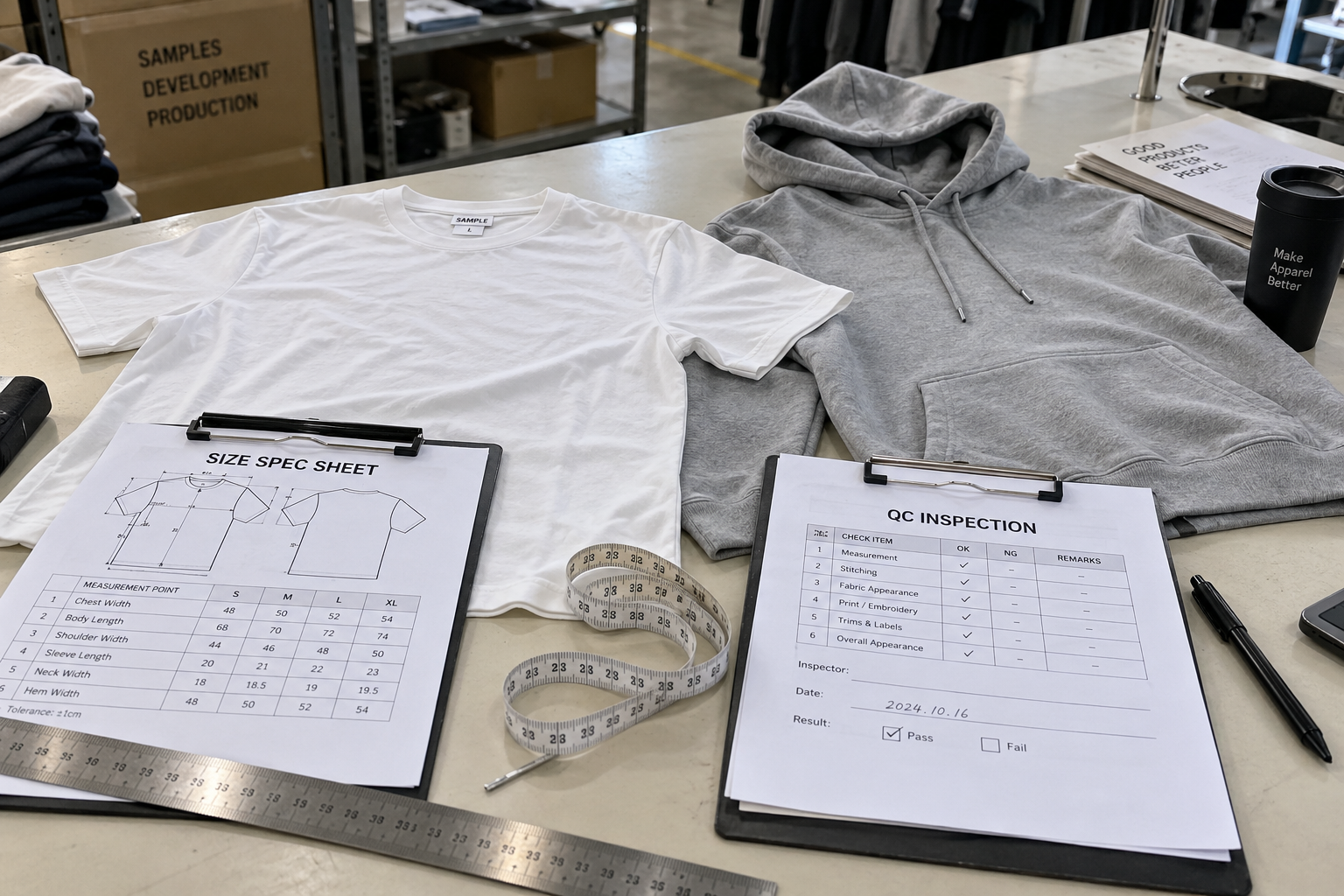
A T-shirt or hoodie can look good in photos but still fit wrong. This guide explains how brands should prepare size specs, measurements, tolerance, shrinkage notes, and sample approval before production.
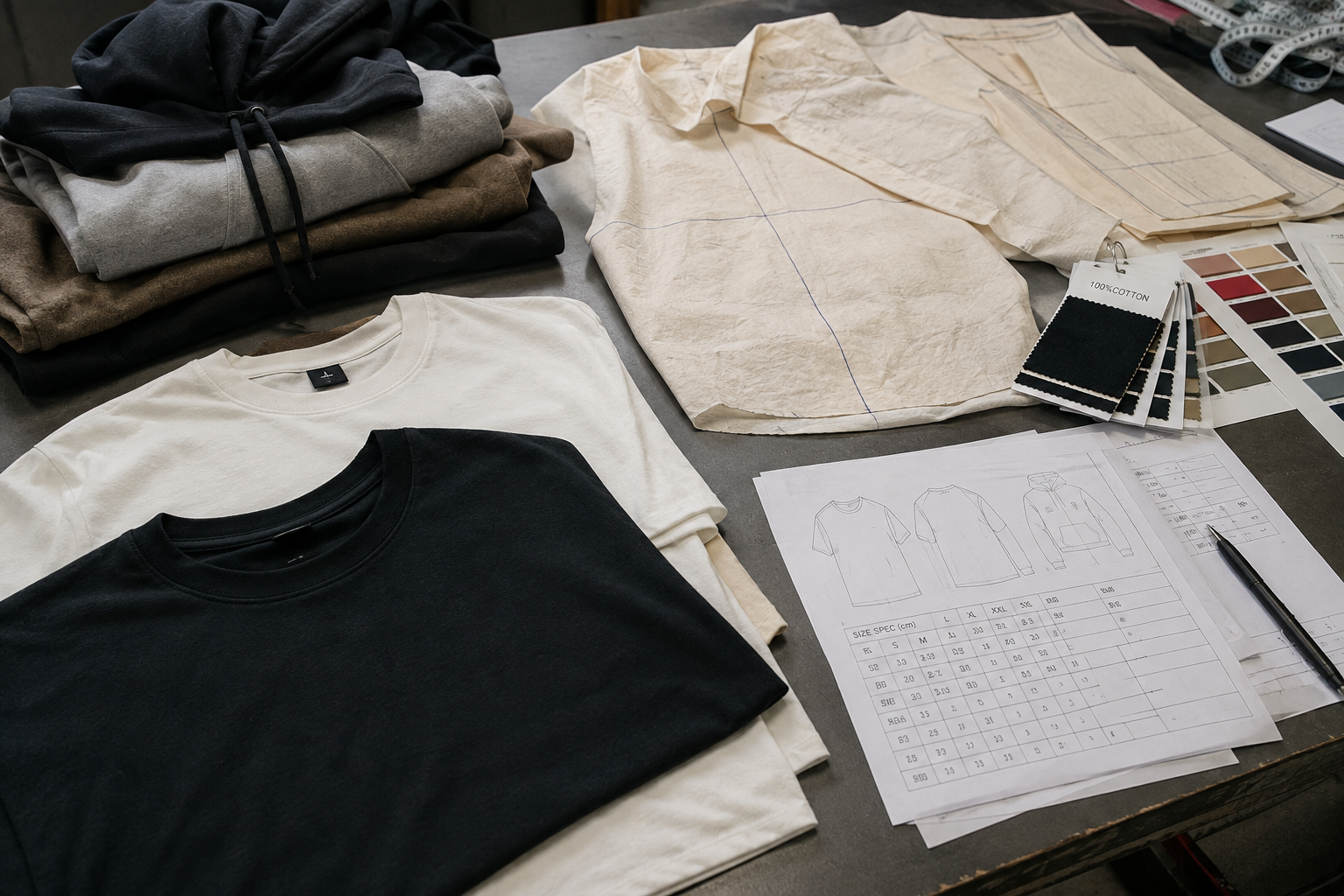
Some brands should start with stock blanks, while others need full cut-and-sew from the beginning. This guide explains how to choose based on MOQ, cost, fit, fabric, timeline, QC, and reorders.

A heavier hoodie or T-shirt can feel more premium, but it can also change shipping cost and final margin. This guide explains how GSM, packing, carton size, and landed cost affect custom apparel pricing.

Artwork files can delay sampling if size, placement, color, or file format is unclear. Learn what brands should prepare for screen printing, DTF, embroidery, puff print, samples, and bulk QC.

A reorder should not feel like a new product. Learn how fabric swatches, lab dips, wash ranges, print references, and QC notes help keep custom apparel colors consistent.
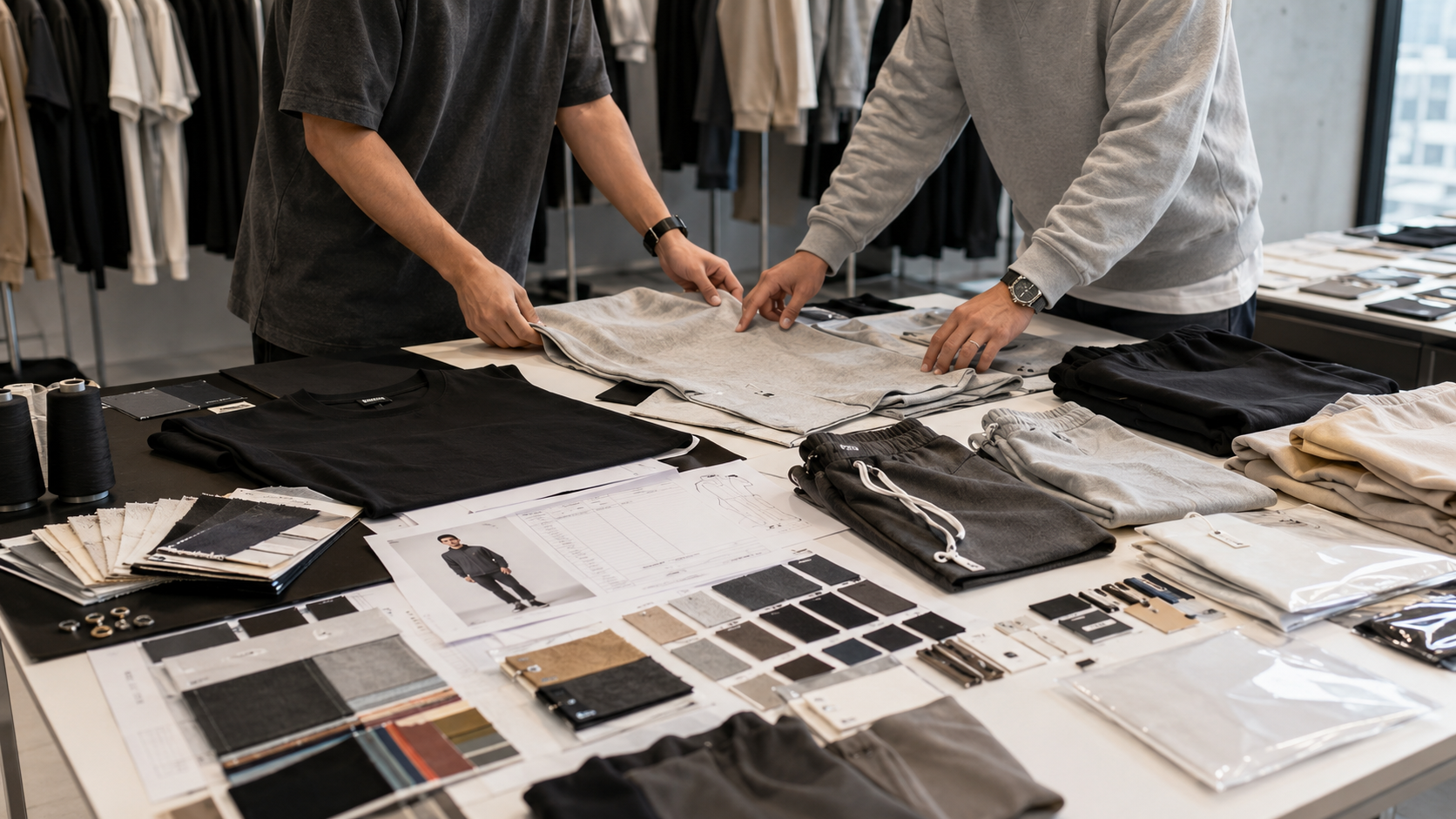
Sourcing custom apparel from China can work well for Australian streetwear brands, but only when fabric, fit, samples, labels, packaging, QC, shipping, and import details are clear before production.

A logo, a sketch, or even a conversation about how something should feel when worn can spark a great clothing brand. But turning that initial creative idea into a finished garment in a customer's closet involves a long, detailed journey: design, sourcing, sampling, production, quality control, and shipping. Custom apparel manufacturing isn't just about making clothes-it's about bringing your vision to life, one stitch at a time. Whether you're launching your first streetwear line or expanding an existing brand, understanding this full process saves time, reduces mistakes, and results in products your audience will love. At UNIT-100, with over 24 years of experience and 50 million+ garments produced, we've refined this process to support brands at every step. Here's our insider's guide to a seamless manufacturing journey.
 You Can Find Us Here
 Room 5/F-11,Block A Wantong International Square Liwan District,Guangzhou.
Quick Links
Services
Contact Us

Founded in 2001, UNIT-100 is a custom clothing manufacturer, specializing in high-quality T-shirts, hoodies, and other knitwear.
Copyright © 2026 UNIT-100 · Privacy policy |Sitemap