
Please fill out the form below to request a quote or to request more information about us. please be as detailed as possible in your message, and we will get back to you as soon as possible with a response. we're ready to start working on your new project, contact us now to get started.
Why Custom Apparel Manufacturers Are Key To Unique Fashion
2025-12-19
UNIT-100
52
In a world where fashion trends come and go at lightning speed, standing out with truly unique style is more important than ever. That’s where custom apparel manufacturers come into play. These industry experts don’t just produce clothes—they bring your creative vision to life with personalized designs, perfect fits, and unmatched quality. Whether you’re an emerging designer or a brand looking to set yourself apart, understanding the crucial role custom apparel manufacturers play can transform the way you approach fashion. Dive in to discover why partnering with them is the secret ingredient to creating one-of-a-kind pieces that turn heads and tell your story.
- The Role of Custom Apparel Manufacturers in the Fashion Industry
**The Role of Custom Apparel Manufacturers in the Fashion Industry**
In the rapidly evolving world of fashion, the demand for unique, personalized, and high-quality clothing has shifted the industry dynamics significantly. Central to this transformation is the pivotal role played by custom apparel manufacturers. These manufacturers are not just service providers; they are innovators, collaborators, and enablers of creativity who empower designers, brands, and consumers alike to bring unique fashion visions to life. Understanding the role of a custom apparel manufacturer in the fashion industry uncovers why their presence is essential to cultivating individuality and sustainability within the sector.
At its core, a custom apparel manufacturer specializes in producing garments tailored to specific design requirements, unlike mass production factories that focus on large volumes of standardized products. This distinction allows custom apparel manufacturers to cater to niche markets and emerging fashion trends that require flexibility and precision. They possess the capacity to take intricate designs, patterns, and fabric choices and transform them into high-quality apparel that aligns with the brand’s identity and consumer expectations.
One of the primary contributions of a custom apparel manufacturer is the facilitation of originality. In a fashion landscape flooded with generic clothing options, brands increasingly seek to differentiate themselves through unique collections that reflect their ethos and aesthetic vision. Custom apparel manufacturers provide the technical expertise and manufacturing capabilities to produce limited-edition lines or one-off pieces that cannot be found elsewhere. This ability to create bespoke garments supports designers in pushing boundaries and experimenting with materials, cuts, and finishes that define distinctive styles.
Moreover, custom apparel manufacturers bridge the gap between designers and the market by offering small-batch production runs. This capability is especially beneficial for startup fashion brands and independent designers who cannot afford the cost and risk associated with large-scale manufacturing. With a custom apparel manufacturer, these smaller entities gain access to professional-grade production without hefty minimum order quantities, enabling them to test new ideas, gather customer feedback, and scale sustainably.
Sustainability is another crucial facet where custom apparel manufacturers influence the fashion industry. Traditional fast fashion often results in overproduction and excessive waste, contributing to environmental degradation. In contrast, custom apparel manufacturers typically embrace made-to-order models that produce clothing after receiving specific customer orders, thereby minimizing waste and reducing unwanted inventory. This approach aligns with the growing consumer demand for ethical fashion choices and encourages brands to adopt environmentally responsible practices while maintaining their creative independence.
Technologically, custom apparel manufacturers frequently employ advanced manufacturing techniques and cutting-edge equipment such as digital printing, laser cutting, and automated sewing systems. These innovations optimize the production process, enhance precision, and reduce turnaround time, enabling quicker responses to market trends and seasonal demands. The integration of technology also allows for intricate customization options, such as personalized embroidery or complex fabric manipulation, further supporting the development of truly one-of-a-kind apparel.
Additionally, custom apparel manufacturers serve as collaborative partners who contribute valuable industry insights throughout the product development cycle. Their experience with fabrics, construction methods, and supply chain logistics equips designers with practical advice that can improve garment functionality and cost-efficiency without compromising style. This collaborative approach not only elevates the quality of the final product but also strengthens the relationship between production and creative teams, fostering innovation and mutual growth.
From a consumer perspective, custom apparel manufacturers empower individuals seeking personalized fashion experiences. In an era where self-expression drives purchasing decisions, the ability to customize clothing — whether through fit, color, fabric, or design elements — resonates strongly with customers. Custom apparel manufacturers make this personalization accessible and reliable by leveraging their manufacturing expertise to ensure that customized pieces meet high standards of craftsmanship and durability.
In conclusion, the role of the custom apparel manufacturer in the fashion industry is multifaceted and indispensable. These manufacturers enable originality, support emerging designers, promote sustainable production, integrate technological advancements, and enhance consumer personalization. As the fashion industry continues to evolve toward uniqueness and responsibility, custom apparel manufacturers remain key players shaping the future landscape of style and innovation.
- How Customization Drives Fashion Innovation
In today’s fast-evolving fashion landscape, customization is no longer just a trend but a critical driver of innovation. At the heart of this movement lies the custom apparel manufacturer—an essential partner in bringing unique, individualized designs from concept to reality. Custom apparel manufacturers empower designers, brands, and consumers alike to push boundaries and reimagine what fashion can be, creating a dynamic relationship between creativity, technology, and consumer demand.
Customization fundamentally transforms how fashion is conceived and produced. Traditional mass production methods often limit design possibilities, as garments are created at scale with standard sizes, limited color choices, and fixed patterns. In contrast, custom apparel manufacturers offer unparalleled flexibility, allowing designers to experiment with diverse fabrics, intricate cuts, and personalized features that reflect individual preferences. This flexibility encourages a culture of innovation where new ideas can be tested rapidly and adapted according to evolving trends or consumer feedback, catalyzing a more responsive design process.
One of the pivotal ways customization drives innovation is through technological integration. Custom apparel manufacturers increasingly implement advanced digital tools such as 3D body scanning, computer-aided design (CAD), and automated cutting machines. These technologies enable precise tailoring and pattern-making, reducing errors and waste while improving garment fit and comfort. For designers, this means greater freedom to develop unconventional silhouettes or detailed embellishments that were once too complex or costly to produce. The synergy between human creativity and cutting-edge technology opens doors to groundbreaking fashion concepts that challenge traditional manufacturing limitations.
Moreover, custom apparel manufacturers play a vital role in supporting sustainable innovation. The fashion industry faces growing scrutiny over environmental impact and resource consumption. Customization allows for made-to-order production, eliminating overstock and minimizing fabric waste. Manufacturers can source specialized sustainable materials and incorporate eco-friendly processes more easily within smaller, more controlled production runs. This shift toward sustainable customization not only benefits the environment but also responds to consumer demand for ethical fashion. Brands working with custom apparel manufacturers are thus empowered to innovate in both design and sustainability, aligning their offerings with the values of modern consumers.
Customization also fosters a deeper connection between fashion brands and their customers. Custom apparel manufacturers facilitate a level of personalization that transforms consumers from passive buyers into active co-creators. Whether through adjustable styles, bespoke sizing, or personalized graphics, consumers can imprint their identity on the apparel. This personalization cultivates brand loyalty and encourages broader experimentation in design based on direct customer insights. The feedback loop established between consumers, brands, and manufacturers accelerates fashion innovation by ensuring products meet genuine desires and preferences.
In addition to individual consumer customization, custom apparel manufacturers enable innovative collaborations within the industry. Designers, artists, and brands often partner to produce limited-edition collections that push creative boundaries. Because custom production accommodates smaller batch sizes without sacrificing quality, such projects are viable and economically feasible. These collaborations often introduce novel stylistic elements, materials, or manufacturing techniques that can subsequently influence mainstream fashion trends. The custom apparel manufacturer acts as a facilitator of innovation by bridging creative visions and technical production capabilities.
The rise of e-commerce and digital platforms further amplifies the potential of customization in fashion innovation. Custom apparel manufacturers integrate seamlessly with online configurators and virtual fitting tools, allowing consumers to visualize and modify designs in real time. This digital interface expands creativity beyond traditional studio environments and invites global participation in the design process. Such democratization of fashion innovation generates diverse aesthetic expressions and drives industry evolution from the ground up.
Ultimately, the custom apparel manufacturer is a cornerstone of the modern fashion ecosystem, enabling continuous innovation through customization. By combining flexible production techniques, technological advancements, sustainability practices, and consumer engagement, they revolutionize how unique fashion is created and delivered. The capacity to customize empowers designers and consumers alike to explore new creative frontiers, ensuring that fashion remains a vibrant and forward-looking industry.
- Benefits of Partnering with Custom Apparel Manufacturers
In today’s dynamic fashion industry where individuality and brand identity reign supreme, partnering with a custom apparel manufacturer presents a strategic advantage that few other collaborations can match. A custom apparel manufacturer not only brings technical expertise and resource efficiency but also enhances creativity and market responsiveness for brands seeking to distinguish themselves. Understanding the benefits of working closely with these specialized manufacturers is key to unlocking the potential of unique fashion lines and delivering exceptional value to consumers.
One of the foremost benefits of partnering with a custom apparel manufacturer is the ability to achieve true customization. Unlike mass-production factories that focus on bulk output with limited variation, a custom apparel manufacturer tailors every aspect of production—from fabric choice and stitching techniques to design elements and sizing—according to the brand’s specifications. This flexibility allows fashion brands to experiment with innovative designs, unique cuts, and exclusive details that set their offerings apart in a crowded marketplace. The direct access to customization empowers designers and entrepreneurs to develop distinctive apparel that accurately reflects their vision and resonates with their target audience.
Furthermore, collaborating with a custom apparel manufacturer often accelerates product development cycles. Since these manufacturers specialize in small to medium production runs with intricate design requirements, they possess streamlined processes that accommodate rapid prototyping, sampling, and revisions. Brands benefit from faster turnaround times, allowing them to respond quickly to emerging fashion trends or seasonal demands. The agility gained through this partnership can be a significant competitive edge, enabling companies to test new concepts, refine collections, and launch products at an optimized pace without compromising quality.
Quality control is another critical advantage provided by custom apparel manufacturers. With a focus on specialized production, these manufacturers typically exhibit higher attention to detail and craftsmanship standards. Their expertise ensures that every garment matches exact design specifications and maintains consistent quality across batches. This level of quality assurance fosters brand reliability and customer satisfaction, which are crucial factors in building repeat business and establishing a reputable name in the fashion industry.
Moreover, partnering with a custom apparel manufacturer can be a cost-efficient option for brands, especially startups and niche designers who cannot afford large inventory volumes. By producing smaller batches that precisely meet demand, brands minimize overproduction and reduce excess inventory costs. Additionally, many custom apparel manufacturers offer scalable services, allowing clients to gradually increase their order volumes as demand grows. This scalability supports sustainable business growth without the risks associated with mass production commitment or warehousing large quantities of unsold products.
Another significant benefit lies in the collaborative relationship that a partnership with a custom apparel manufacturer fosters. These manufacturers often serve as consultants and creative partners, sharing industry knowledge, material sourcing options, and production innovations. Brands gain access to expert advice that enhances product development and problem-solving capabilities. This collaboration promotes a mutually beneficial environment where both parties invest in achieving excellence, innovation, and market success.
Environmental and ethical considerations also come into play. Many custom apparel manufacturers are adopting sustainable practices and transparent supply chains. Partnering with such manufacturers helps brands align their operations with eco-conscious values and social responsibility demands of modern consumers. This alignment can boost brand loyalty and appeal, particularly among the growing segment of environmentally and ethically minded shoppers.
In summary, the benefits of partnering with a custom apparel manufacturer extend beyond simple production needs. From unparalleled customization and quality assurance to faster launches, cost-effectiveness, collaborative expertise, and sustainable practices, these manufacturers are essential allies in crafting unique fashion that stands out. Engaging a custom apparel manufacturer is thus an investment not only in product excellence but also in the long-term growth and distinctiveness of a fashion brand in an increasingly competitive industry.
- Enhancing Brand Identity Through Tailored Clothing
In the increasingly competitive world of fashion, establishing a strong and recognizable brand identity is paramount. Brands are no longer just selling products; they’re selling experiences, values, and lifestyles. One of the most effective yet often overlooked ways to solidify a brand’s identity is through tailored clothing, which custom apparel manufacturers expertly provide. These manufacturers are vital partners in the creation of unique, personalized garments that reflect a brand’s core message while resonating deeply with target audiences.
Custom apparel manufacturers offer brands a level of precision and personalization that mass-produced clothing simply cannot match. When a brand collaborates with a custom apparel manufacturer, they gain access to specialized expertise, advanced production techniques, and flexible design possibilities. This collaborative environment enables brands to go beyond generic fashion trends, allowing them to develop exclusive clothing that speaks directly to their market niche. Every stitch, fabric choice, and silhouette can be customized to encapsulate the essence of the brand’s aesthetic, history, and vision.
One of the fundamental ways custom apparel manufacturers enhance brand identity is through bespoke design. Unlike off-the-rack clothing, tailored garments permit brands to experiment with unique cuts, embroidery, finishes, and fabrics that are distinctive and aligned with the brand’s story. For instance, a streetwear brand wanting to emphasize urban grit can opt for raw-edged denim and heavyweight cotton materials, while a luxury label may request fine silks and hand-stitched details. This level of customization ensures each piece embodies the brand’s personality, fostering a stronger emotional connection with customers.
Moreover, custom apparel manufacturers facilitate the integration of branding elements directly into the clothing. This includes logos, taglines, unique color palettes, and special embellishments that are crafted into the fabric or garment details. When brands use tailored clothing to embed their visual and thematic cues, it signals quality and attention to detail to consumers. This not only makes the apparel instantly recognizable but also strengthens brand recall over time. Consistency in customization acts as a silent ambassador for the brand, communicating professionalism and creativity without uttering a word.
Another crucial aspect is that custom apparel manufacturers offer scalability and flexibility, which are essential for growing brands keen on maintaining coherence while evolving their collections. Brands can start with limited-edition runs or seasonal capsules, adjusting designs based on feedback and market trends. This agile approach helps brands test new concepts and styles without the risk of mass inventory, keeping their offerings fresh and authentically representative. Such precise control over production nurtures a brand’s individuality, distinguishing it sharply from mass-market competition.
Sustainability is also becoming an integral consideration linked with brand identity, and custom apparel manufacturers play a pivotal role here. Many manufacturers now embrace eco-friendly practices such as sourcing sustainable materials, minimizing waste, and optimizing local production processes. By collaborating with these conscious manufacturers, brands can integrate sustainability into their identity, appealing to environmentally aware consumers. This alignment positions the brand not only as unique in style but also as responsible and forward-thinking, which adds a powerful dimension to brand loyalty.
Customer experience further benefits from tailored clothing provided by custom apparel manufacturers. When consumers understand the craftsmanship and bespoke nature of their apparel, it elevates perceived value. Customers feel a personal connection knowing the garment was designed to reflect a brand’s ethos and made with deliberate care. This connection often leads to greater brand advocacy, repeat purchases, and positive word-of-mouth, all of which are critical components of a successful brand identity.
In conclusion, custom apparel manufacturers are indispensable allies for brands seeking to enhance their identity through tailored clothing. Their ability to provide detailed customization, embed brand elements, support sustainable practices, and offer production agility enriches brand narratives and delivers real uniqueness in fashion. By leveraging the talents and resources of custom apparel manufacturers, brands can elevate their presence in the market and cultivate lasting relationships with discerning consumers who value authenticity and distinction.
- The Future of Unique Fashion Enabled by Custom Manufacturing
In the evolving landscape of the fashion industry, the demand for individuality and distinctiveness is reshaping how apparel is designed, produced, and consumed. At the forefront of this transformation is the custom apparel manufacturer, whose role is pivotal in ushering in a future where unique fashion is not only attainable but also scalable and sustainable. Custom manufacturing empowers designers, brands, and consumers alike to break free from the constraints of mass production, facilitating the creation of truly one-of-a-kind garments that reflect personal style and cultural narratives.
Custom apparel manufacturers are revolutionizing fashion by integrating advanced technologies with traditional craftsmanship. Through the use of digital pattern making, 3D garment visualization, and on-demand production techniques, these manufacturers can produce customized pieces with unprecedented speed and precision. This means that fashion brands and individual consumers no longer have to rely on large minimum order quantities to justify a production run, allowing for more experimental and personalized designs to enter the market. The ability to quickly prototype and adjust design elements also accelerates the innovation cycle, giving rise to fresh trends and unique aesthetics that stand apart from mainstream offerings.
Moreover, custom manufacturing plays a critical role in addressing sustainability challenges that have long plagued the fashion industry. The traditional model of overproduction and excessive inventory often leads to significant waste. In contrast, custom apparel manufacturers produce garments based on actual demand, reducing excess stock and minimizing environmental impact. This shift toward made-to-order fashion supports a circular economy where quality, durability, and resource efficiency are prioritized over quantity. Consumers who value ethical consumption can now engage with fashion more consciously, confident that their custom pieces are created responsibly.
The future of unique fashion also hinges on the enhanced collaboration facilitated by custom apparel manufacturers. Designers, influencers, and consumers can co-create apparel tailored to exact measurements, preferred fabrics, and individual tastes. This collaborative approach democratizes fashion design, enabling people without technical expertise to participate in the creation of their garments. E-commerce platforms integrated with custom manufacturing services offer interactive customization interfaces, from color selection to embroidery and fit adjustments, fostering a personalized experience that directly connects the buyer with the maker. This level of personalization elevates customer satisfaction and brand loyalty by meeting the growing consumer desire for meaningful, self-expressive apparel.
Another key aspect of the future enabled by custom manufacturing is the expansion of niche markets and inclusivity in fashion. With custom apparel manufacturers, it becomes feasible to cater to diverse sizes, shapes, and cultural preferences that mainstream brands often overlook. Whether it’s designing adaptive clothing for individuals with specific needs or producing culturally inspired garments on a small scale, custom manufacturing breaks down barriers to access. This inclusivity fosters a richer, more varied fashion ecosystem where all voices and identities are represented.
As technology continues to advance, custom apparel manufacturers are poised to incorporate innovations such as artificial intelligence, machine learning, and blockchain into their operations. AI can enhance design personalization by analyzing consumer preferences and suggesting unique combinations, while blockchain ensures transparency and traceability in the supply chain. These technologies will strengthen the relationship between consumer and producer, making the process of obtaining unique, custom-made fashion seamless and trustworthy.
In conclusion, the custom apparel manufacturer is not simply a production partner but a catalyst for a new era of fashion characterized by uniqueness, sustainability, collaboration, and inclusivity. The future of fashion lies in empowering individuals to express their identity through garments that are crafted just for them. Custom manufacturing makes this future possible, merging creativity, technology, and ethics to redefine what it means to wear unique fashion.
Conclusion
In conclusion, custom apparel manufacturers play an indispensable role in shaping truly unique fashion. With 24 years of industry experience under our belt, we have seen firsthand how personalized design and meticulous craftsmanship can elevate clothing beyond mere fabric to become a powerful form of individual expression. As trends evolve and consumers seek authenticity, partnering with expert custom manufacturers ensures that every piece stands out with quality, creativity, and a personal touch. Embracing custom apparel is not just about clothing—it’s about celebrating identity, innovation, and the art of fashion itself.
Table of Contents
GET IN TOUCH WITH Us
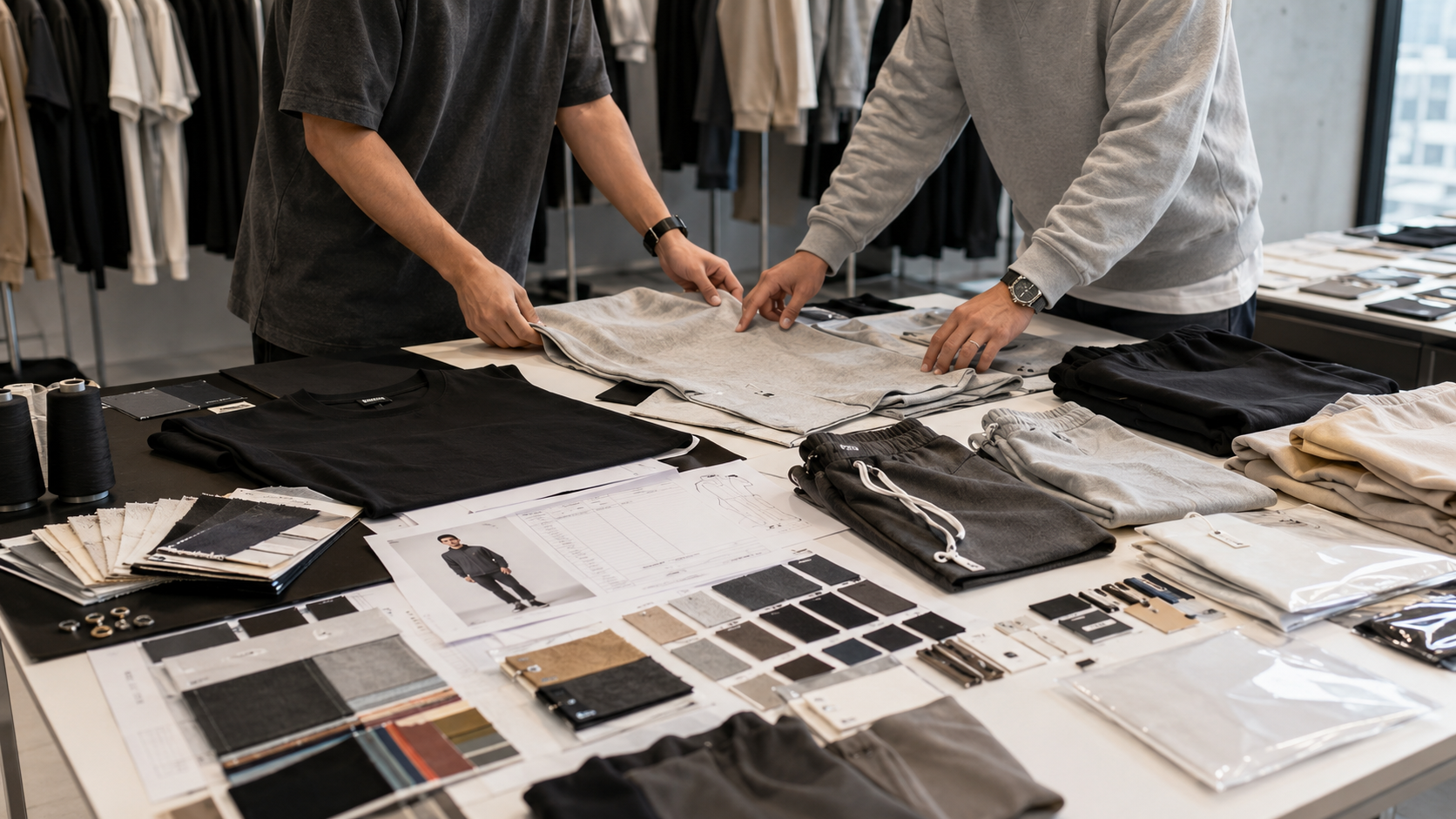
Sourcing custom apparel from China can work well for Australian streetwear brands, but only when fabric, fit, samples, labels, packaging, QC, shipping, and import details are clear before production.
 You Can Find Us Here
 Room 5/F-11,Block A Wantong International Square Liwan District,Guangzhou.
Quick Links
Services
Contact Us

Founded in 2001, UNIT-100 is a custom clothing manufacturer, specializing in high-quality T-shirts, hoodies, and other knitwear.
Copyright © 2026 UNIT-100 · Privacy policy |Sitemap