

What Type of Factory Do You Really Need for Custom Streetwear T-Shirts?
What Type of Factory Do You Really Need for Custom Streetwear T-Shirts?
When people first get into custom streetwear, they usually think the hard part is the design. In reality, one of the biggest decisions happens way earlier: choosing the right type of factory. That choice affects your cost, your product quality, your production speed, and honestly, how many headaches you deal with once orders start moving.
A lot of new brands don’t realize that not every supplier works the same way. In this space, you’re usually dealing with one of three setups: a trading company, a cut-and-sew factory, or a vertically integrated manufacturer. On paper, they can all say they “make custom apparel,” but the way they operate is completely different.
A trading company is basically the middle layer. They usually don’t own the machines or run the production line themselves. Instead, they source garments from different factories, put the project together, and sell it to overseas buyers. That can be useful if you want one contact handling several product categories at once. It feels simple at first. But the tradeoff is real: pricing is usually higher, quality control gets weaker, and when something goes wrong, communication can get messy fast because you’re not talking directly to the people making the product.
Then you have the cut-and-sew factory. These factories normally own sewing equipment and can build garments, but they often outsource things like screen printing, embroidery, and special finishing. This setup is common in places like Panyu and Shahe in Guangzhou. Some brands like working this way because it gives them more say over each individual process. But it also means more moving parts. If you’re the one coordinating decoration vendors, finishing houses, and sewing production, you’re also the one carrying the extra complexity.
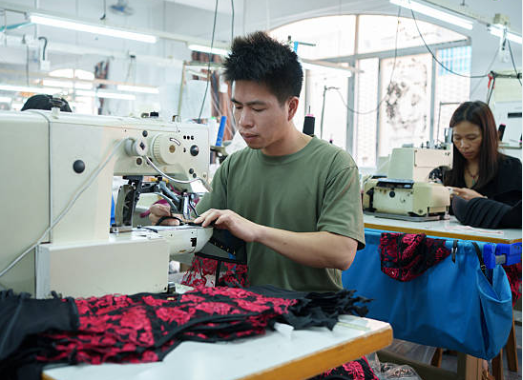
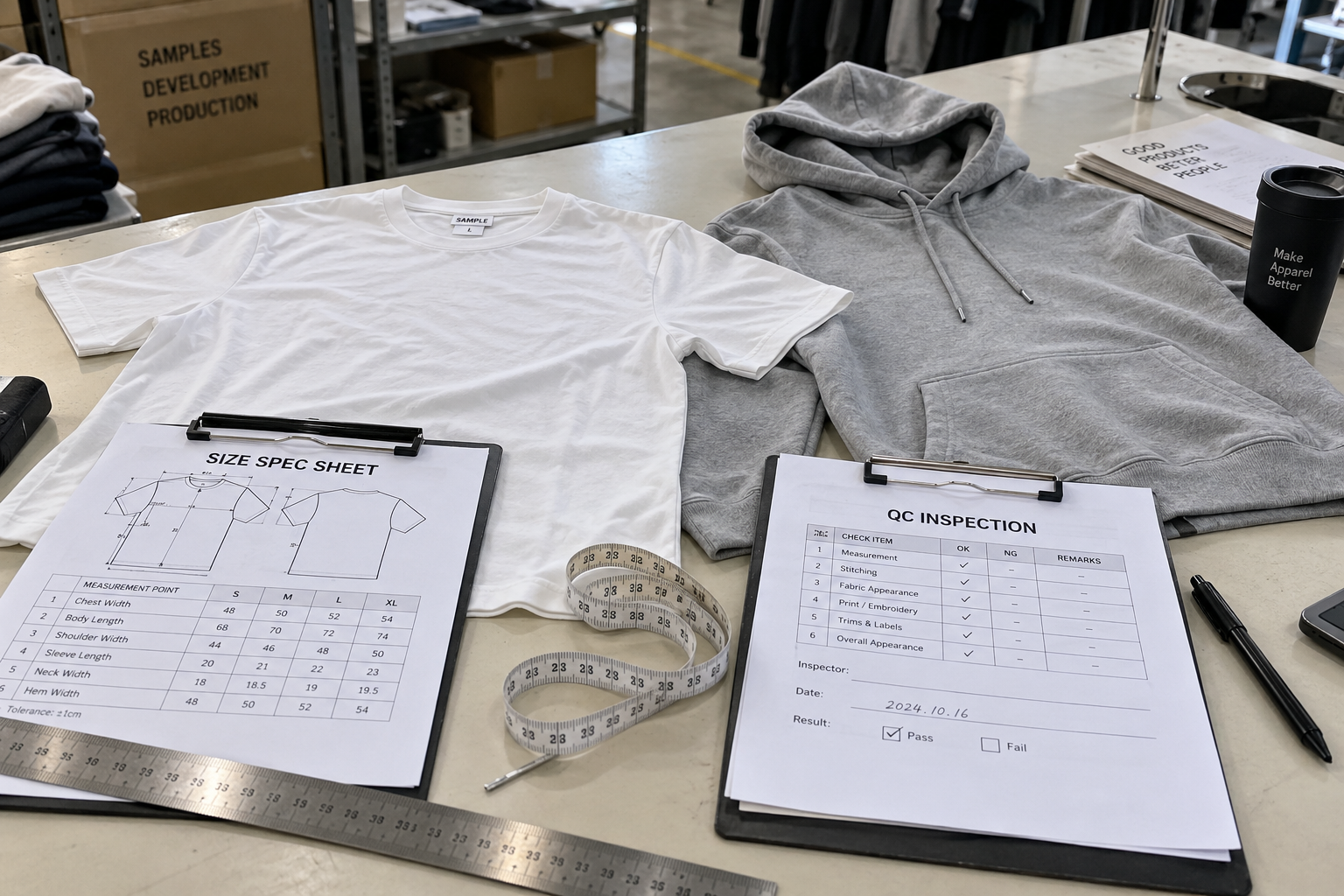
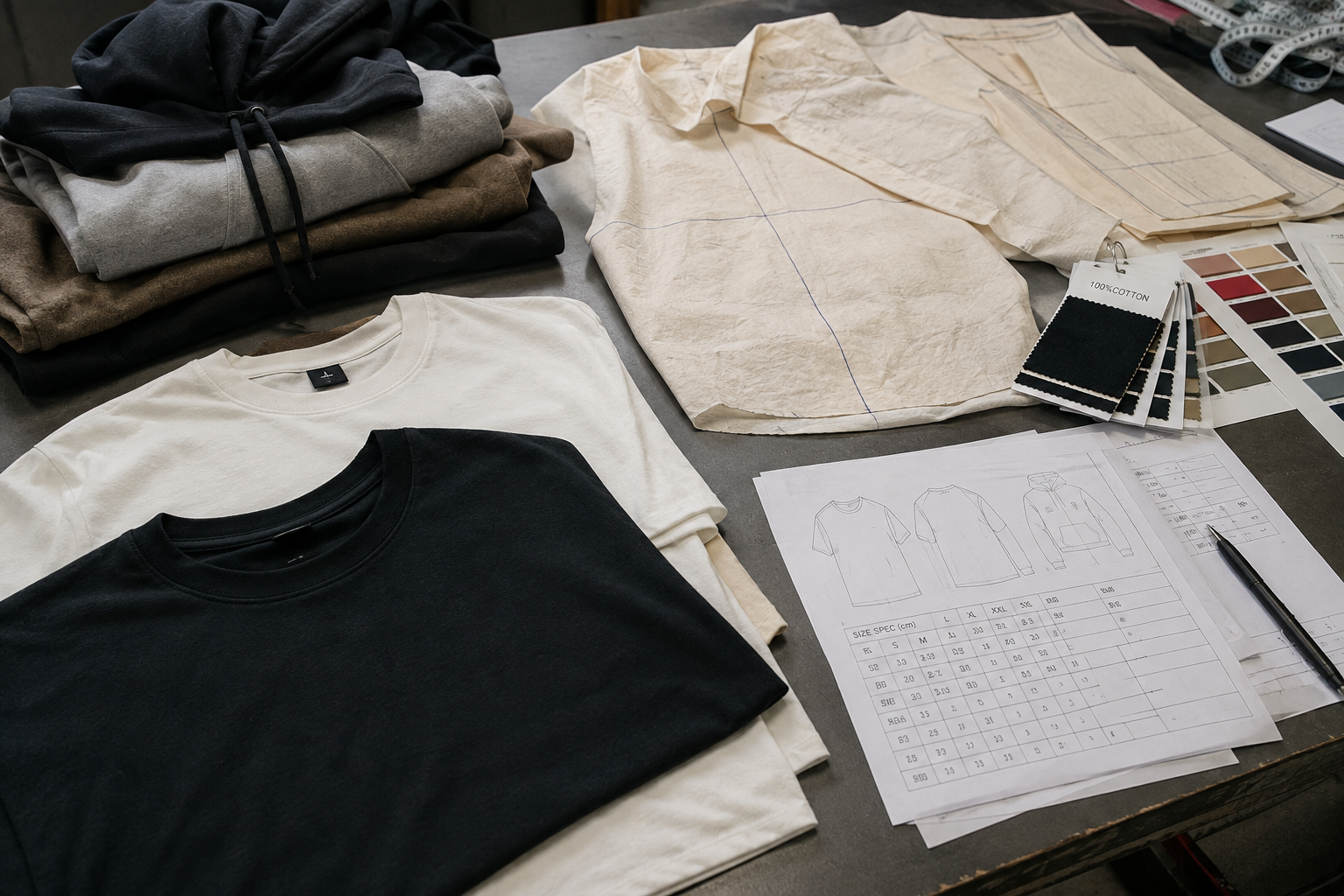
That’s why a lot of serious streetwear founders eventually lean toward vertically integrated manufacturers. Companies like UNIT-100 in Guangzhou handle garment production, screen printing, embroidery, and usually have steady washing partners connected to the system as well. That kind of structure matters more than people think. According to a 2024 McKinsey apparel sourcing report, vertically integrated suppliers cut lead times by around 30% to 40% compared with fragmented supply chains. For a streetwear brand trying to move quickly from sampling into production, that difference is huge.
And the demand is there. The custom streetwear market in the US alone hit $31.2 billion in 2024, and 68% of independent brands were sourcing from Asian manufacturers, based on Statista data. That tells you something important: most growing brands are not just looking for the cheapest supplier. They’re looking for a setup that can actually keep quality consistent while moving fast.
Ask founders who’ve been through a few production cycles, and you’ll hear the same advice over and over: work with a factory that can manage sewing and printing under one system. The more handoffs your product goes through, the more chances there are for delays, mistakes, and inconsistency. In streetwear, details are everything. So the factory you choose isn’t just a vendor — it’s the foundation your brand is built on.



 You Can Find Us Here
 Room 5/F-11,Block A Wantong International Square Liwan District,Guangzhou.
Quick Links
Services

Founded in 2001, UNIT-100 is a custom clothing manufacturer, specializing in high-quality T-shirts, hoodies, and other knitwear.