

How Embroidery Can Make Your Streetwear Look Premium
When you think of streetwear, you probably think of big logos, bold graphics, and big shapes. Embroidery is a design element that quietly shows quality and craftsmanship. Embroidery, on the other hand, adds texture, depth, and a sense of permanence that screen prints and heat transfers don't. It's what gives a hoodie a more polished look, a crewneck a more planned look, and a cap a more eye-catching look. If you run a small streetwear brand or are working on your first drop, knowing how embroidery affects how people see things and how to use it wisely can help you go from basic to premium.
Step 1: Why Embroidery Instantly Feels More Luxurious
Streetwear looks more authentic when it has embroidery on it. Each stitch becomes a part of the fabric, which gives it depth and a feel that printing can't match. An embroidered hoodie is heavier, has more texture, and feels more solid, so people can feel the detail in it. That touchable quality automatically shows worth. People see embroidery as a sign of quality, history, and attention to detail. It's the same reason that high-end fashion brands and classic sportswear brands use it: it lasts longer, keeps its color better, and still looks good years later. In short, embroidery makes a simple piece of clothing look like it was made to look good, not just made.
Step 2: The Difference It Makes in Perception
In streetwear, how you look is everything. You aren't just selling clothes; you're also selling culture, attitude, and a sense of belonging. People see your brand differently when you use embroidery. A clean, tonal stitched logo on the chest makes you feel confident and grown-up. A cap with a textured patch or raised 3D embroidery shows that it is unique and well-made. After a few washes, printed logos can look like they are going to fall off, but embroidery stays strong. That's why a lot of mid-range brands use it to connect the gap between cheap and expensive. It's an easy way to improve your look without spending a lot more on production. Embroidered designs also catch light in different ways in photos, which makes products stand out on camera with small highlights. This is a small detail that pays off in marketing.
Step 3: Choosing the Right Style of Embroidery
● Flat embroidery: lays flat on the fabric and is best for simple, clean logos or fine text.
● 3D puff embroidery lifts the stitches to give a bold, sculpted look. This is great for making a statement on caps or hoodies.
● Appliqué embroidery: This technique uses stitched edges and fabric patches to make designs that look like they came from the past or from a varsity team.
● Chain stitch: This style has a retro, handmade look that works great for collections that are nostalgic or artisan.
Think about the fabric of your clothes when you plan your embroidery. Heavy stitching can be done on thicker fabrics like fleece, denim, and canvas. Lightweight jerseys, on the other hand, may need stabilizers or simpler designs. Always test your samples. If you don't digitize them correctly, embroidery can change the shape of thinner fabrics in small ways.
Step 4: Balancing Embroidery with Streetwear Aesthetics
Streetwear is all about personality, but too many decorations can make it look fake. The best way to use embroidery is to find a balance between letting the craftsmanship show through and not overwhelming the design. A small tonal logo on the chest or sleeve can look more expensive than a big print for brands that like to keep things simple. Using different techniques, like embroidery and screen printing together, can give lines more depth and make them look more expensive and one-of-a-kind. Placement is also very important. A logo on the back makes it look trendy, while embroidery on the chest or wrist keeps things simple. Putting things in unexpected places, like near hems, cuffs, or side seams, gives that "custom drop" look that serious collectors look for.
Step 5: The Long-Term Value of Embroidered Details
Not only does embroidery look better, but it also works better over time. Embroidery can take a lot of washing, stretching, and wear and tear, while prints can fade or crack. It helps your clothes keep their value, which is important for brands that want to build loyalty and charge more for their products. Embroidery also makes things more collectible when they are limited runs or collaborations. When customers know that your clothes will last, they're not just buying a design; they're buying a piece of your brand identity. Durability is the new luxury in a world of fast fashion.
Common Mistakes to Avoid
● Making the design too complicated: Embroidery doesn't work well for small details, gradients, or thin lines. Make sure the designs are bold and clean so the stitches are easy to see.
● Choosing the wrong place: If you get too close to seams or zippers, the stitching may pucker or not be even. Leave space to breathe at all times.
● Not paying attention to the color contrast between the threads: Threads react to light differently than ink. Test your color combinations in both natural and artificial light.
● Using the wrong fabric: Loose knits or ultra-thin jerseys can stretch or warp during embroidery. Choose fabrics that won't move or use backing.
● Skipping the approval of the sample: Always get a stitched sample before you start making something. Embroidery can look different in real life than it does on a screen.
Conclusion and Call to Action
One of the easiest ways to make your streetwear line feel more upscale and unique is to add embroidery. It gives things weight, texture, and quality that people can feel, making everyday items into something people want to collect. Embroidery can help you stand out in a market full of printed tees, whether you're running your first hoodie drop or building a brand. If you're working on your next collection and want to learn more about embroidery, like how to digitize designs or pick the right stitch type, get in touch with us. We'll help you try out different methods, find high-quality threads, and make clothes that look and feel great. In streetwear, the little things aren't just for show; they're what make your brand unique.



 You Can Find Us Here
 Room 5/F-11,Block A Wantong International Square Liwan District,Guangzhou.
Quick Links
Services

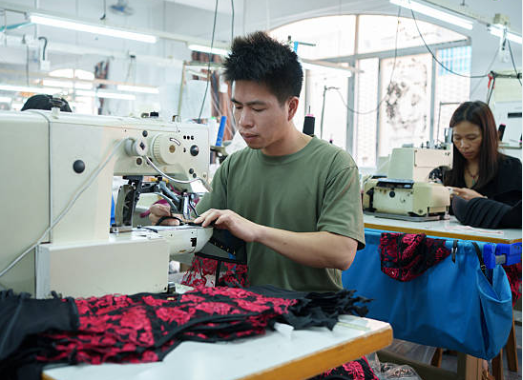
Founded in 2001, UNIT-100 is a custom clothing manufacturer, specializing in high-quality T-shirts, hoodies, and other knitwear.