

What to Prepare Before Working with a Clothing Manufacturer
Working with a clothing manufacturer is often seen as a technical step, but in reality, it is a decision that directly affects your product quality, cost structure, and long-term brand consistency. Many brands believe that once they have a design idea or a logo, production will naturally follow. What we see in real manufacturing, however, is that the success of production is decided long before fabric is cut or machines are turned on.
At UNIT-100, we work with a wide range of clients, from first-time founders launching their first drop to growing brands refining their production system. Most delays, misunderstandings, and unexpected costs are not caused by factories themselves, but by missing preparation. This article explains what you should realistically prepare before working with a clothing manufacturer, and how UNIT-100 helps brands turn ideas into workable, scalable products.
Step 1: Clearly Define What You Are Actually Making
Before contacting a manufacturer, you should be able to explain your product in practical terms. This doesn't mean you need a complete tech pack or professional drawings, but you do need clarity beyond "I want to make a T-shirt."
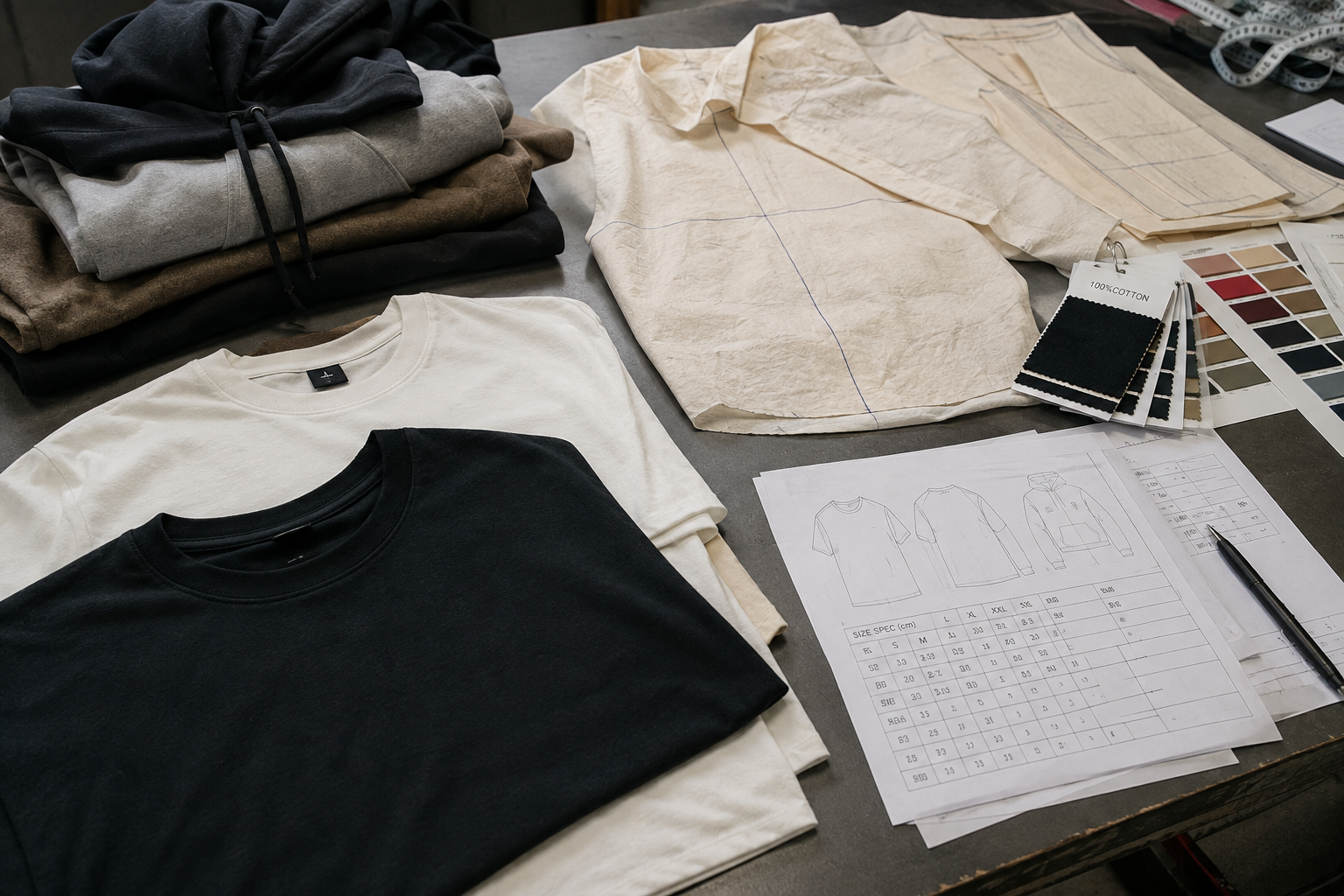
Ask yourself what kind of product this really is. Is it a basic everyday T-shirt, or a heavyweight streetwear piece? Is the fit oversized, boxy, or regular? Is this designed for summer wear, or meant to be worn year-round? These details directly affect fabric choice, pattern construction, cost, and production methods.
At UNIT-100, we often meet clients who say they want a "simple tee, "but when we dig deeper, their expectations are closer to a premium streetwear product. A 180 GSM slim-fit T-shirt and a 300 GSM oversized T-shirt are completely different garments, even if they look similar in photos. The clearer you are at this stage, the easier it is for the manufacturer to give accurate advice, pricing, and timelines.
Step 2: Understand Who Your Customer Is and How They Will Wear the Product
Manufacturing decisions should always start with the end user, not the factory. A product that looks great on a rack can still fail if it doesn't fit into the customer's daily life.
Think about where your customers live, how they dress, and what they expect from a T-shirt. Climate matters more than many brands realize. A heavyweight tee that works perfectly for a North American streetwear brand may feel uncomfortable in hotter, more humid regions. Lifestyle matters as well-daily wear, streetwear styling, gym use, or work environments all place different demands on fabric and construction.
At UNIT-100, we frequently help clients adjust initial ideas once the target market is clearly defined. This doesn't mean compromising the brand vision, but aligning it with real-world use. When manufacturers understand who the customer is, recommendations become practical instead of generic.
Step 3: Prepare Visual References, Not Just Ideas
Clear communication is one of the biggest challenges in apparel manufacturing, especially when working across regions or languages. Visual references are often more effective than long explanations.
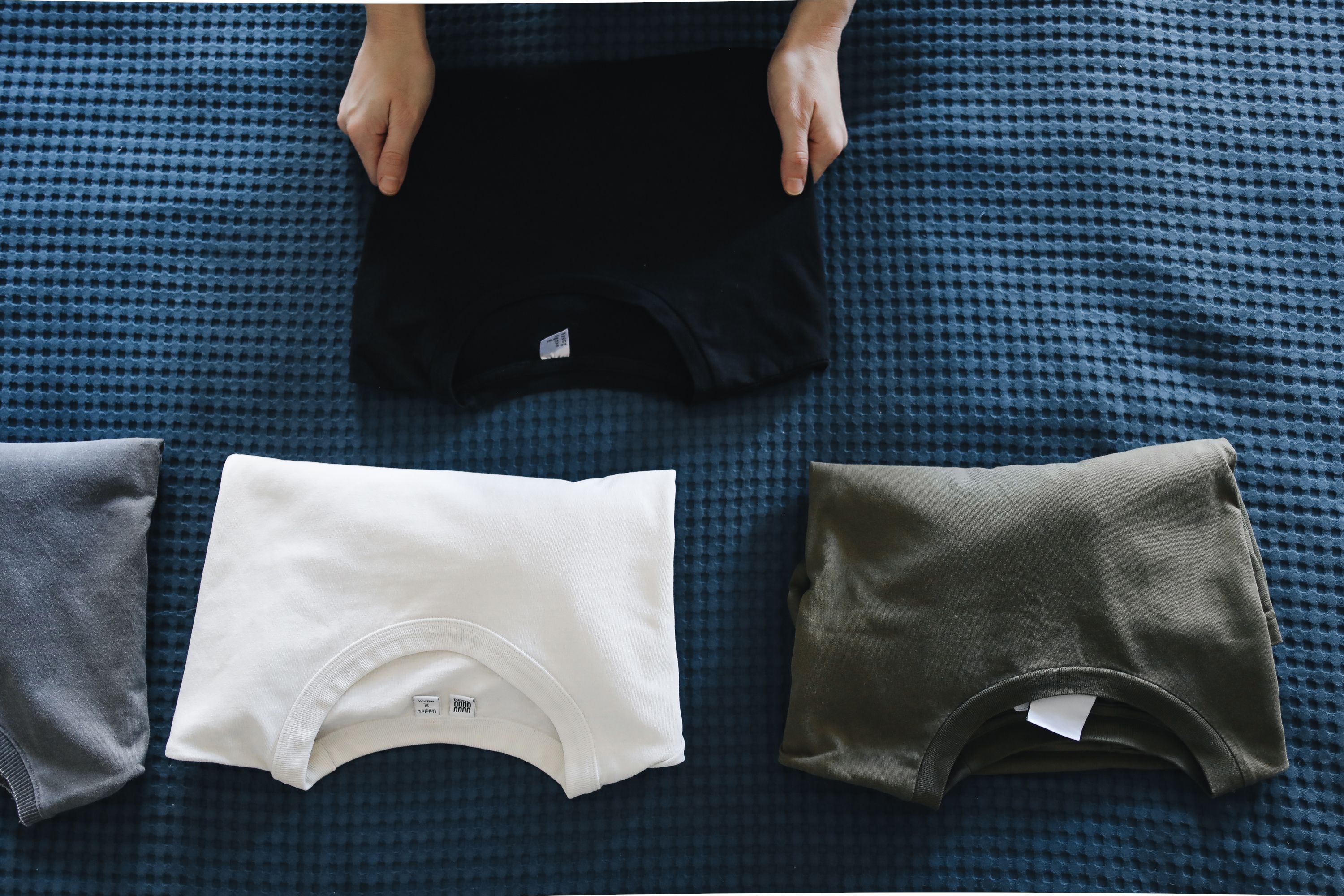
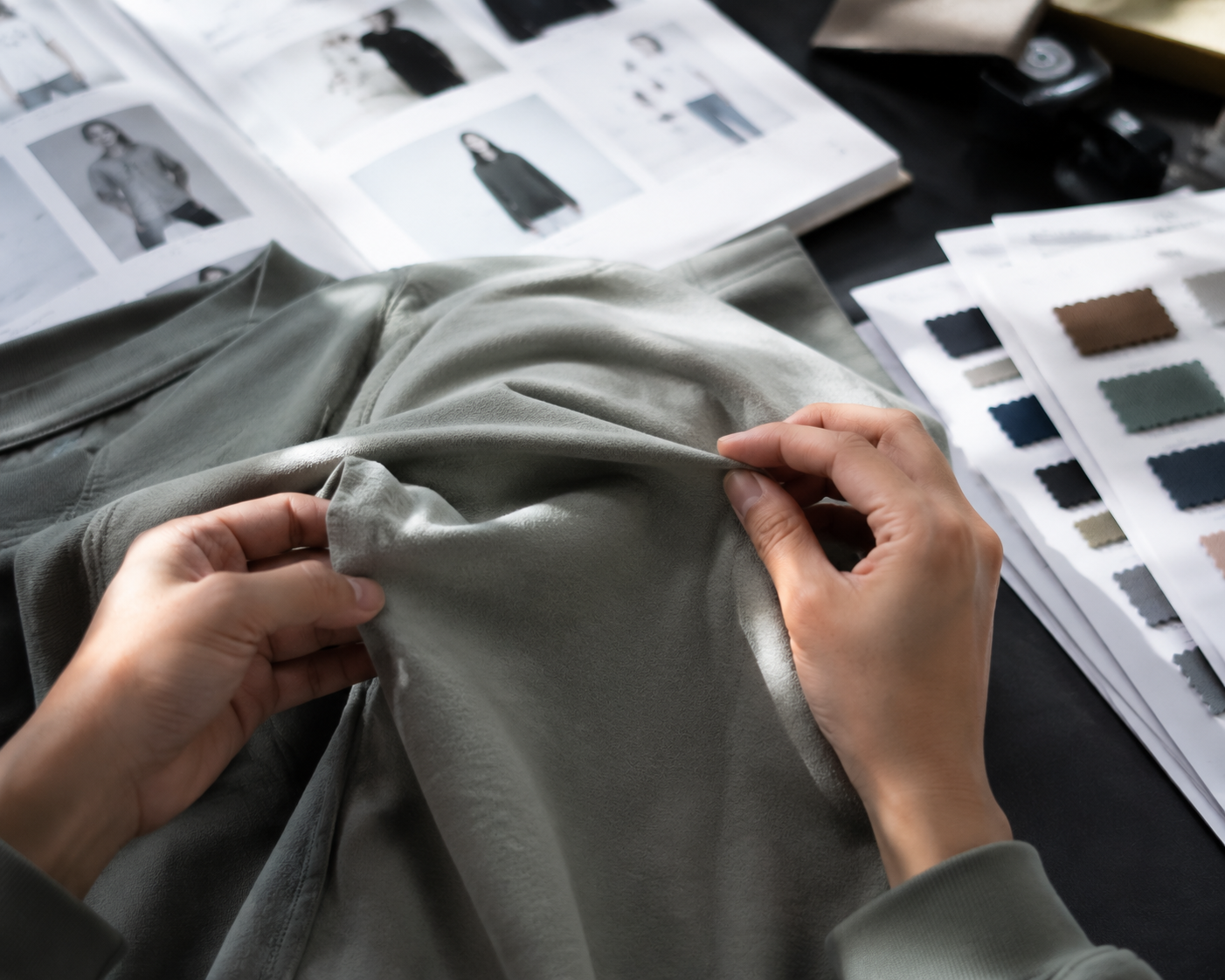
You don't need original designs at this stage, but you should prepare references that show what you like and what you are aiming for. This can include product photos from other brands, fit references, close-ups of fabric textures, or details like collars, sleeves, and hems.
At UNIT-100, references help us understand your expectations quickly. They are not used for copying, but for alignment. Two brands may both say they want an "oversized fit," but their visual references often reveal very different interpretations. The clearer the references, the fewer revisions are needed later.
Step 4: Have a Direction for Fabric and Weight (Even If It's Not Final)
You don't need deep fabric knowledge, but you should have a general direction. Are you leaning toward lightweight or heavyweight? Do you want a soft drape or a more structured feel? Is durability more important than breathability, or vice versa?
Many clients come to UNIT-100 unsure about GSM, fabric types, or blends, and that's completely normal. Our role is to explain how different options perform in real production and daily wear. What matters is being open to discussion and sampling, rather than expecting the factory to make decisions without input.
Preparation doesn't mean having perfect answers. It means knowing what kind of product experience you want to create.
Step 5: Be Realistic About MOQ, Budget, and Cost Structure
One of the most common problems for new brands is the minimum order quantity (MOQ). Every manufacturer has minimum order quantity (MOQ) requirements that depend on how they get their fabric, how quickly they can cut it, and how they set up their production. If you don't pay attention to this early on, you'll be frustrated later.
You should have a rough idea of how many units you want to make, how much you want to spend on each one, and how sampling fits into your budget before you move on. These numbers don't have to be exact, but they should be reasonable.
At UNIT-100, we make MOQ clear and help clients find solutions that work when they don't have enough of something. Sometimes, changing the fabric, colors, or size breakdowns can make it possible to make things without lowering quality.
Step 6: Be Prepared for Sampling and Revisions
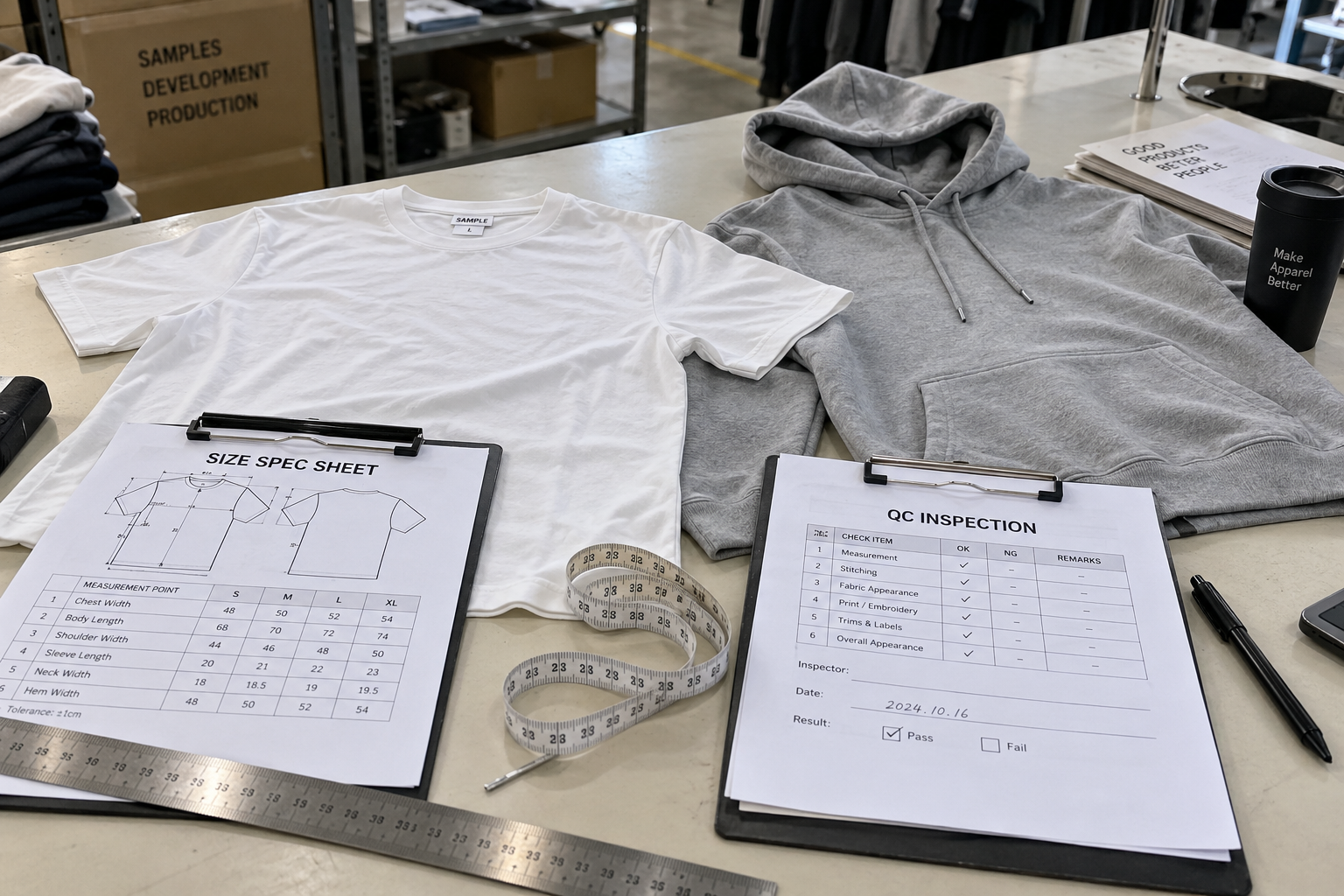
Sampling is not just a formality; it's a part of the development process. The first sample is not always perfect, and it shouldn't be.
A good sample lets you check the fit, how the fabric behaves, the quality of the construction, and the printing results. It also shows problems that can't be seen on screen, like how a collar keeps its shape over time or how a piece of clothing feels after being washed.
UNIT-100 tells clients to be patient and give clear feedback when they are sampling. Brands that hurry through this stage often have bigger problems when they start making a lot of products. Time spent improving samples is time saved later.
Step 7: Understand That Communication Is Part of Production
Communication is just as important as technical skill for a good manufacturing relationship. Clear feedback, realistic deadlines, and a shared understanding make everything go more smoothly.
At UNIT-100, we do our best work with brands that see production as a partnership instead of a business deal. When both sides talk to each other clearly and follow the rules, problems get solved more quickly, and results get a lot better.
Common Mistakes to Avoid
● Getting in touch with manufacturers with just a rough idea
● Not paying attention to the target market and climate
● Not sampling to save time or money
● Not taking MOQ and development costs into account
● Expecting manufacturers to make all the choices
Conclusion: Preparation Builds Better Products
You don't have to be perfect to work with a clothing manufacturer, but you do need to be ready. Brands that take the time to be clear about their goals, know their customers, and communicate clearly are much more likely to be successful.
We don't expect our clients to know everything at UNIT-100. We help brands at every step, from coming up with an idea to making a sample to making a lot of copies, with clarity and experience. Manufacturing is a safe process instead of a risk when you have the right partner and do the right things.
Are you planning your next clothing project?
Get in touch with UNIT-100 to talk about your ideas and look into custom manufacturing options.




 You Can Find Us Here
 Room 5/F-11,Block A Wantong International Square Liwan District,Guangzhou.
Quick Links
Services

Founded in 2001, UNIT-100 is a custom clothing manufacturer, specializing in high-quality T-shirts, hoodies, and other knitwear.