

Sampling vs Bulk Production Explained: What Brands Need to Know
A lot of clothing brands, especially new ones, don't always understand the difference between sampling and bulk production. Some people think that sampling is a waste of money, while others think that bulk production will look just like the sample. Both of these ideas can lead to expensive mistakes.
At UNIT-100, we often help brands move from an idea to a sample and then from a sample to bulk production. To make sure that products are reliable and avoid surprises, it's important to know what each stage does and how they work together. This article talks about what sampling and bulk production really mean, how they are different, and how UNIT-100 helps brands handle both well.
Step 1: What Sampling Really Is (and What It Isn't)
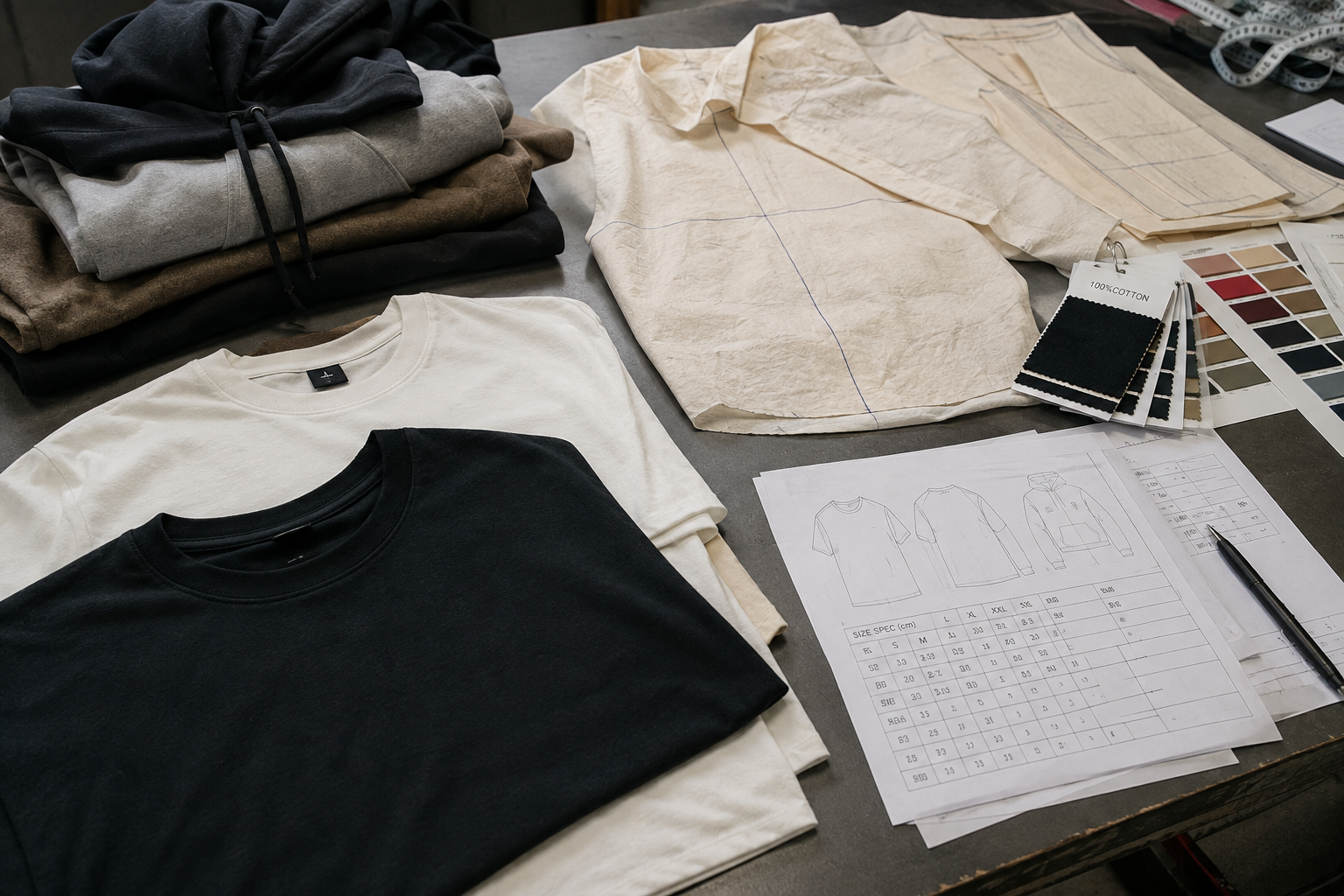
Sampling is the process of making a physical garment based on a brand's idea. This lets brands test important things like fit, fabric performance, construction quality, and design details before they decide to make a lot of them. The first sample doesn't have to be perfect; it's just a working model that helps answer important questions like whether the fit is comfortable, whether the fabric acts as expected, whether the prints and graphics look right, and whether the proportions are right.
At UNIT-100, we always tell our clients that sampling is not about getting final approval; it's about learning and improving. Brands that treat the first sample like it's the final product often miss important changes, which can lower the quality of later bulk production.
Step 2: Why Sampling Costs More Per Piece
A lot of new brands are surprised that sampling costs more per piece than bulk production, but this is completely normal. Sampling requires a lot of work, such as manually changing patterns, cutting small batches or single pieces, setting up each piece for printing or embroidery, and other hands-on work and handling. All of these things add to the cost. We tell clients how much samples will cost up front at UNIT-100.
This helps them understand that they are paying for product development, not just better manufacturing. This investment is very important for lowering the chance of making costly mistakes in bulk production, which is why sampling is such a good way for brands to protect themselves.
Step 3: What You Should Evaluate During Sampling
One of the hardest parts of making clothes is making sure that everyone on all the teams understands the product requirements the same way. This is why sample evaluation needs to be more than just a surface-level inspection. Fit is one of the most important things to look at. It should be tested on a variety of body types to make sure it looks good on everyone.
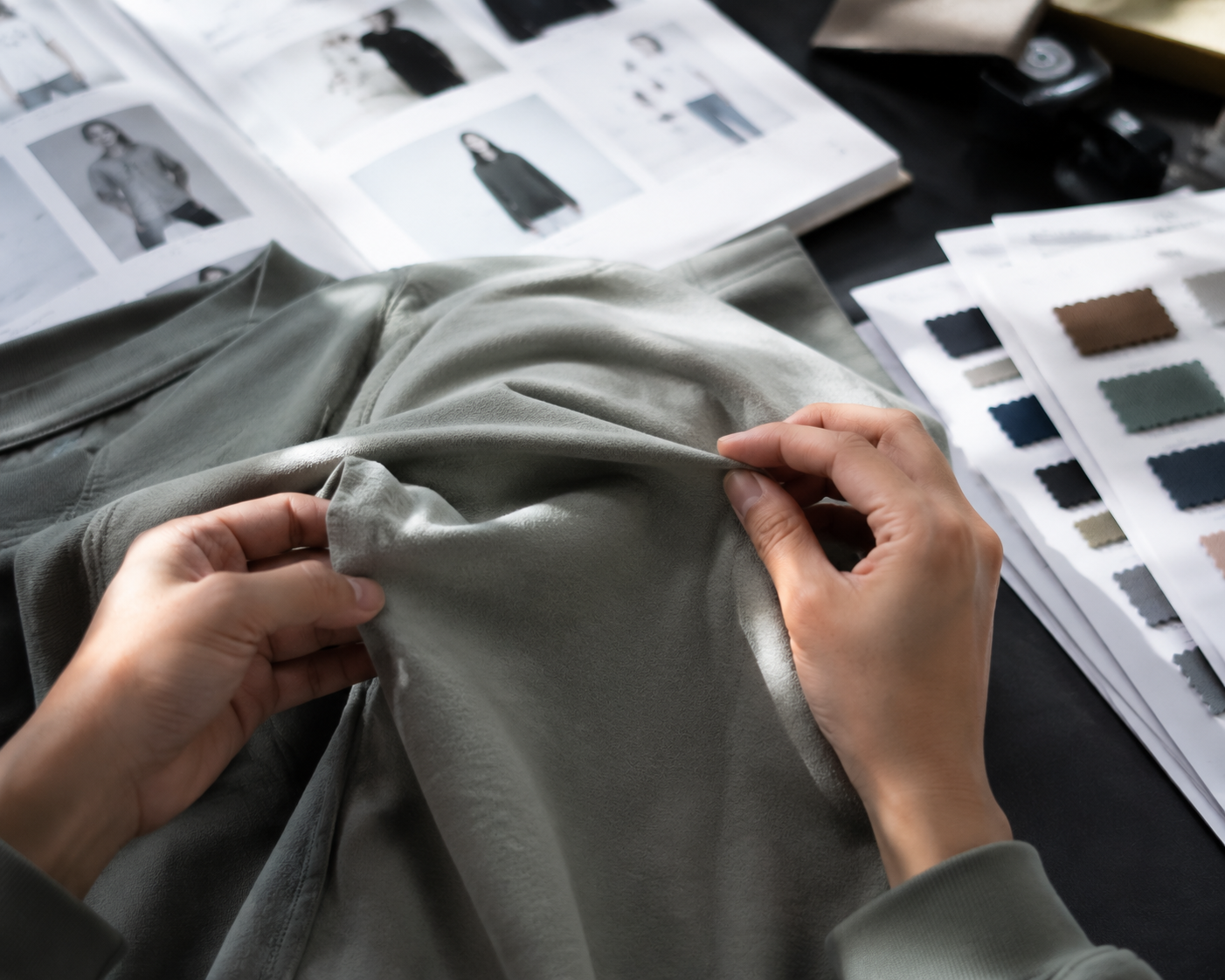
Other important things to look at are the fabric quality, which includes how it feels, how heavy it is, how much it stretches, and how well it bounces back; the construction details, which include the stitching, seams, and any extra support features; the printing elements, which include color accuracy, alignment, and durability; and the post-wash performance, which includes fading, shrinking, and twisting.
UNIT-100 tells clients to wash and wear samples instead of just looking at pictures or taking measurements. This is because testing in the real world shows problems that visual checks alone can't find.
Step 4: How Bulk Production Is Different from Sampling
The goal of bulk production is to be consistent and efficient. Once a sample is approved, the goal changes from trying new things to doing the same thing over and over again. In bulk manufacturing, fabric is cut into layers to make the process more efficient, printing processes are improved to work better for large-scale production, production lines are standardized to keep things the same, and tolerances are clearly defined and strictly enforced. Even though bulk clothes will closely match the approved sample, there may still be small differences.
At UNIT-100, we deal with this possible problem by setting strict quality standards and production controls before we start making a lot of the same thing. This makes sure that there are very few differences between the sample and the final product.
Step 5: Why Approved Samples Matter So Much
The approved sample is the standard for mass production; every detail of the final clothes is based on it. If there are still problems, unclear details, or untested parts in the sample, those problems will almost certainly show up in the bulk run. This will mean expensive reworks, wasted materials, or products that don't meet your brand's standards.
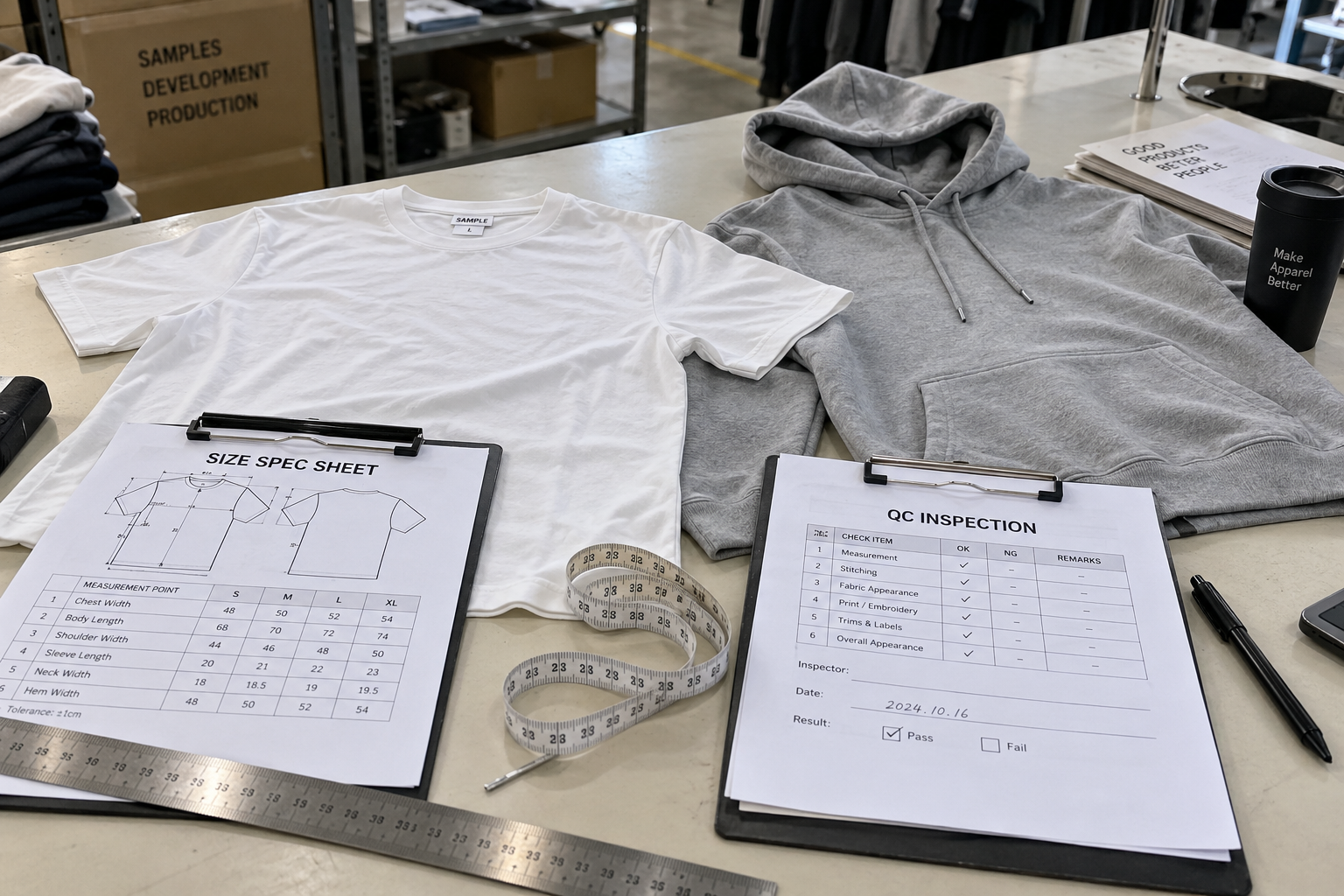
That's why UNIT-100 always tells clients to double-check important details before giving their final approval: make sure that the size grading and measurements are correct for all sizes, that the fabric and color match your needs, that the prints or embellishments are the right size and in the right place, and that the labeling and packaging information matches your brand's guidelines.
Once bulk production starts, making changes is very costly, if not impossible. So even if you feel like you need to move quickly, take the time to look over the sample carefully. If you rush the approval process, you might end up with a lower-quality final product.
Step 6: Timeline Differences Between Sampling and Bulk
It's important to know the differences between sampling and bulk production to plan a smooth production cycle. Because sampling is an iterative process, it usually takes longer per piece. You'll probably have to make several rounds of changes to get the fit right, change the fabric, or improve the design details. Each change takes time to make and test again.
On the other hand, bulk production is faster per unit once it gets going, but it takes a lot of time to set up: getting production lines ready, getting and cutting large amounts of fabric, setting up printing or embroidery equipment for mass runs, and training teams on how to do things the same way every time.
At UNIT-100, we help clients make realistic timelines by taking into account all of these things: the number of sampling rounds needed, the time needed to get materials, and the full timeline for bulk production. This careful planning keeps the whole process on track, stops people from making quick decisions that could hurt quality, and makes sure that launch dates are met.
Step 7: How UNIT-100 Supports Both Stages
UNIT-100 works as a partner throughout both sampling and bulk production. Our role includes:
● Translating brand ideas into workable samples
● Providing clear feedback and recommendations
● Maintaining consistency between sample and bulk
● Communicating transparently at every stage
We don't treat sampling and bulk as separate processes - they are connected parts of the same system.
Common Mistakes to Avoid
● Skipping sampling to save cost
● Approving samples too quickly
● Assuming bulk will "fix" sample issues
● Not testing samples in real conditions
● Making changes after bulk has started
Conclusion: Preparation Builds Better Products
Sampling and bulk production have different goals, but both are important. Brands can learn and improve by sampling. Bulk production gives you both consistency and scale. When done right, sampling is the key to successful bulk production, not a delay or extra cost.
At UNIT-100, we help brands move from development to production with confidence by being clear and careful at every step. If you set the right expectations and get ready, the change from sample to bulk will go smoothly and on time.
Are you getting ready for your next production run?
Call UNIT-100 to talk about sampling, making a lot of products, and how to make products that grow with your brand.




 You Can Find Us Here
 Room 5/F-11,Block A Wantong International Square Liwan District,Guangzhou.
Quick Links
Services

Founded in 2001, UNIT-100 is a custom clothing manufacturer, specializing in high-quality T-shirts, hoodies, and other knitwear.