

Custom Hoodie Design Guide: How to Choose the Best Colors, Fabrics & Styles?
Custom hoodies are popular with brands, businesses, teams, and creators. People wear them all year for everything from casual outfits to promotions. The design choices really matter. Factors such as color, fabric, and style impact how the hoodie appears, feels, and holds up over time. Many people search online asking, what is the best fabric for custom hoodies? Which hoodie colors sell best? This simple custom hoodie design guide will help you understand the basics. So, you can create hoodies that customers love to wear again and again.
![Custom Hoodie Design Guide: How to Choose the Best Colors, Fabrics & Styles? 1]()
A Detailed Custom Hoodie Design Guide on Key Things to Know

This detailed custom hoodie design guide helps you to choose the best colors, fabrics & styles.
What is the Purpose of Your Hoodie?
Before picking colors or fabrics, it’s important to decide why you are making the hoodie. Different uses mean different design choices.
Fashion hoodies usually match the brand’s style. Fit, color, and fabric feel are very important. These hoodies are made to last and be worn many times.
Promotional hoodies focus on being easy to see and comfortable. Logos should stand out, and the fabric should fit many body types. These hoodies need to be durable because they represent a brand. Team hoodies need to be practical and easy to wash. Simple styles, neutral colors, and strong fabrics work best for everyday use.
What are the Hoodie Details That Really Matter?
Small design choices can make a big difference in how comfortable and good-looking a hoodie is.
Hood Shape and Size
A quality hood fits better and feels more comfortable. Deep hoods feel cozy, while structured hoods keep their shape. A poorly designed hood can make the hoodie uncomfortable to wear.
Drawstrings and Hardware
Drawstrings add both style and function. Flat drawstrings look modern, while round ones have a classic feel. The tips made of metal or plastic affect how long they last and how they look.
Hoodie Pocket Styles and How They Work?
Side or zippered pockets offer more security for your things. They are great for workwear or hoodies made for travel. Zippers help keep your items safe while you move around.
What are the Print and Decoration Tips for your Hoodie?
Where you put your design and how you decorate the hoodie change how it looks in the end.
Common spots for prints are the chest, back, and sleeves. Keeping the design balanced makes the hoodie look better. Too many designs can make it hard to wear.
Printing is great for detailed images and graphics. Embroidery adds texture and lasts longer, but works best for simple logos. Which one you pick depends on your design and budget.
Comfort and How the Hoodie Feels?
Comfort is a key to making a hoodie a favorite instead of one that just sits in the closet.
Breathability and Softness
Fabrics that breathe help keep you cool or warm as needed. Soft linings make the hoodie comfy for wearing all day. People often choose comfort over looks for everyday clothes.
Easy to Move In
A hoodie should let you move easily. The right sleeve length, shoulder size, and stretchy fabric make it more comfortable. Even the best designs won’t be popular if the fit is bad.
How to Pick the Right Colors for Custom Hoodies?
Color is one of the first things people notice. It affects how often someone wears the hoodie and what they think about it.
Popular Hoodie Colors
Are you looking for the best colors for custom hoodies. Black, gray, navy, and white are popular because they match easily with other clothes and appeal to many people. Earth tones and soft, muted colors are also becoming popular.
Matching Colors to Your Brand
If the hoodie is for a brand, the colors should match the brand’s logo and style. Using the same colors helps people recognize your brand more easily. Bright colors might be great for brands aimed at younger people, while softer colors work well for simple, clean styles.
Light vs. Dark Colors
Light colored hoodies look fresh and casual, but can show stains more easily. Dark colors hide dirt and wear better. This will make them good for everyday use. Choose based on how the hoodie will be worn.
How to Choose the Best Fabric for Custom Hoodies?
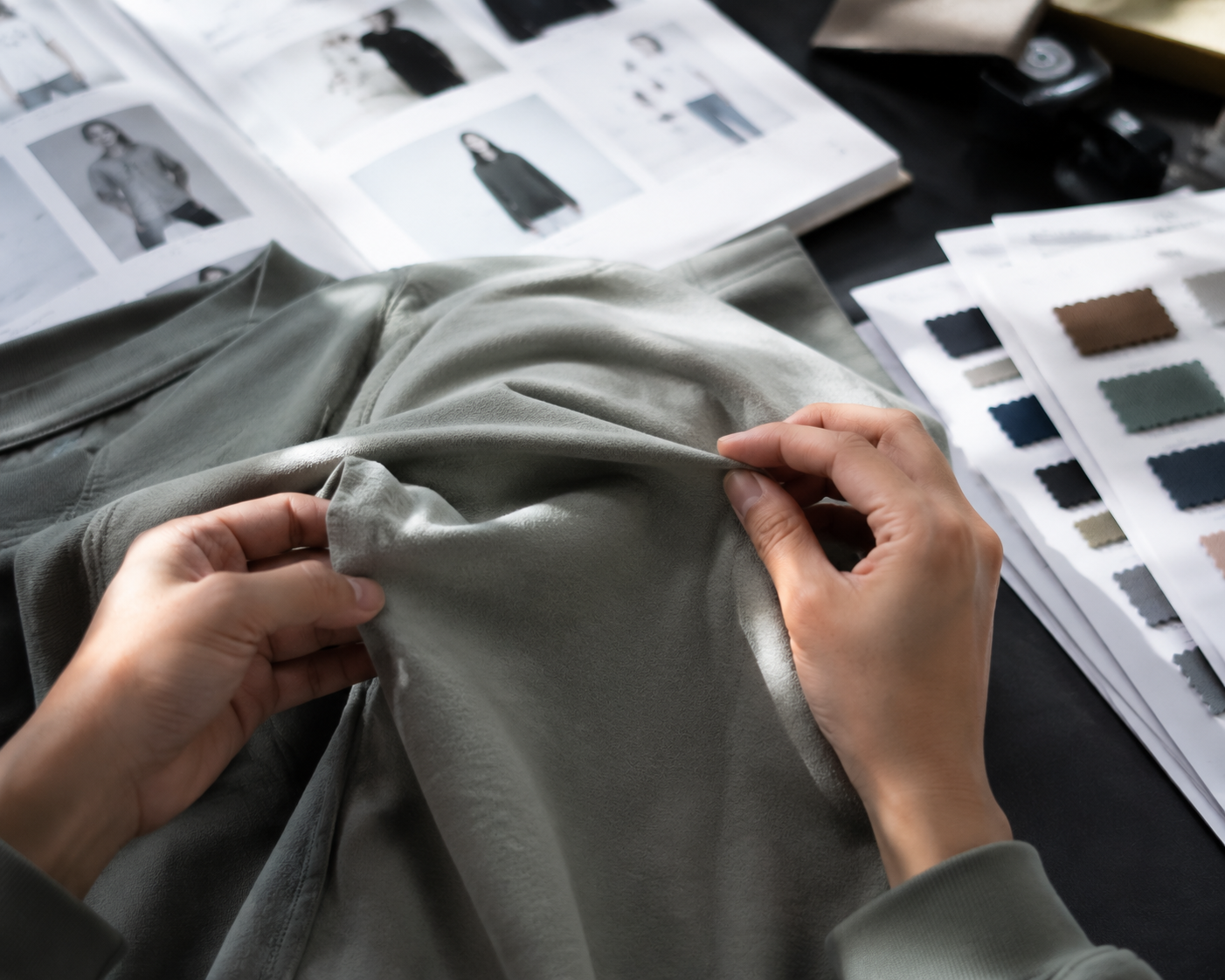
The fabric you pick affects how comfortable, warm, strong, and affordable the hoodie will be. Many people want to know what fabric is best when designing hoodies.
Cotton Hoodies
Cotton is soft, breathable, and comfy. It is great for casual, everyday hoodies. However, pure cotton can shrink if not cared for right and feels heavy when wet.
Cotton Polyester Blends
Blended fabrics are popular because they mix softness with durability. These hoodies keep their shape better and don’t wrinkle easily which makes them perfect for regular use.
Fleece and Brushed Fabrics
Fleece-lined hoodies are warm and soft inside, great for cold weather. They are often chosen for winter styles and for people who want extra comfort.
Does Fabric Weight and Thickness Matter?
Many people don’t think about fabric weight, but it really affects how a hoodie feels and works.
Lightweight hoodies are good for mild weather or wearing indoors. They are easy to layer and don’t feel bulky. These are popular in spring and fall.
Medium-weight hoodies offer a nice balance of warmth and comfort. Heavyweight hoodies keep you warmer and last longer. These are often picked for premium collections or cold weather.
How to Pick the Right Hoodie Style?
The style you choose changes how the hoodie looks and how people wear it. Different styles fit different groups of people.
Pullover Hoodies
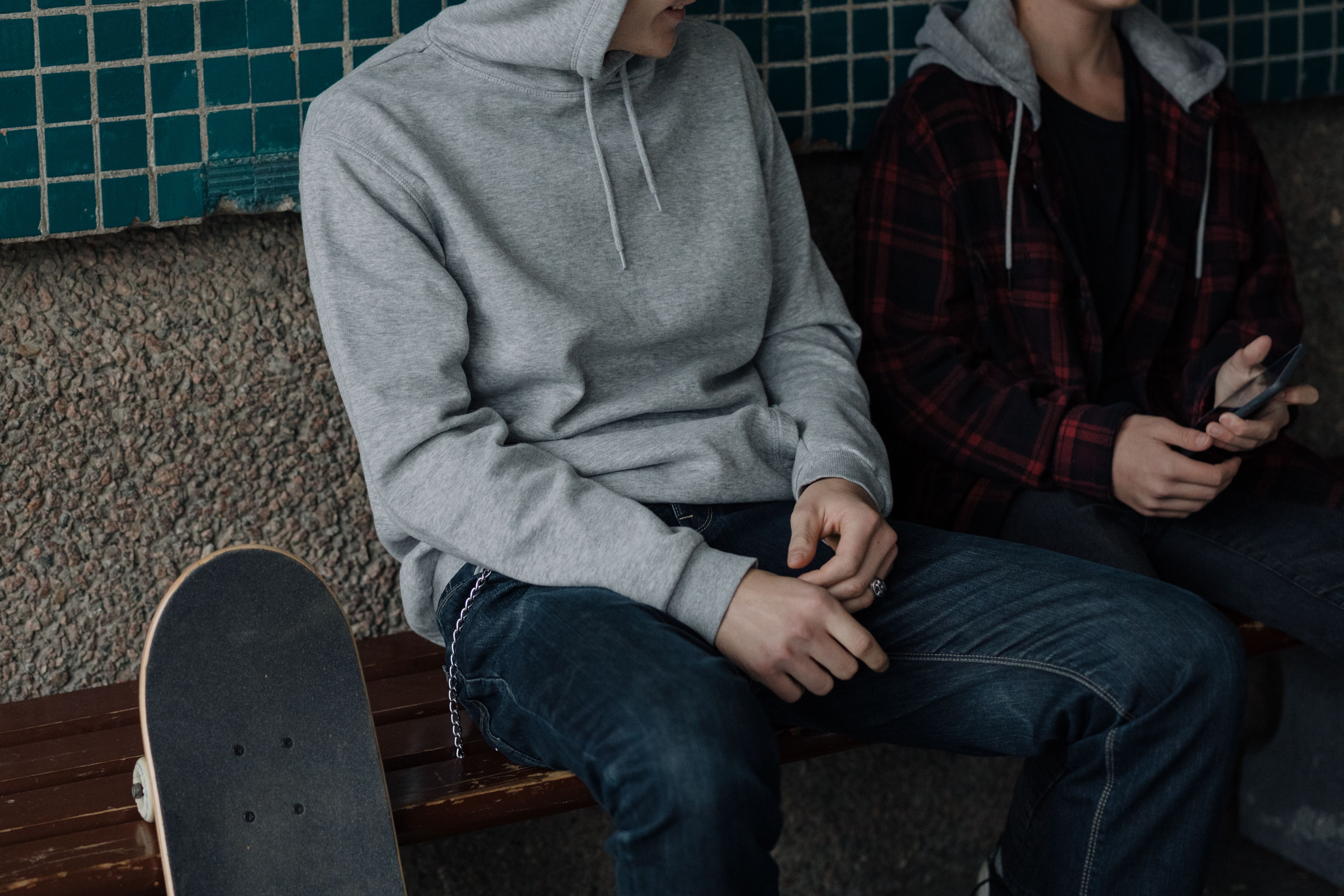
Pullover hoodies are simple and popular. They have a clean front, perfect for printing logos or designs. This style is great for casual wear and brand merch.
Zip Up Hoodies
Zip-up hoodies are easy to put on and take off. They are great for layering and often used for teams or work clothes. The zipper also gives you more design options.
Oversized vs Regular Fit
Oversized hoodies are trendy and popular with younger people. Regular fit hoodies are good for everyday wear and appeal to more people. The best choice depends on what your customers like.
Custom Hoodie Design Guide: What are the Common Mistakes to Avoid?
Avoiding these mistakes can save you time, money, and keep your customers happy. Good planning helps your hoodies work better every day.
Don’t Ignore Fabric Quality
Choosing cheap fabric might save money, but it can hurt your brand. Customers notice if the fabric feels rough, does not breathe well, or loses shape after washing.
Don’t Make Designs Too Complicated
Pick the Right Fit
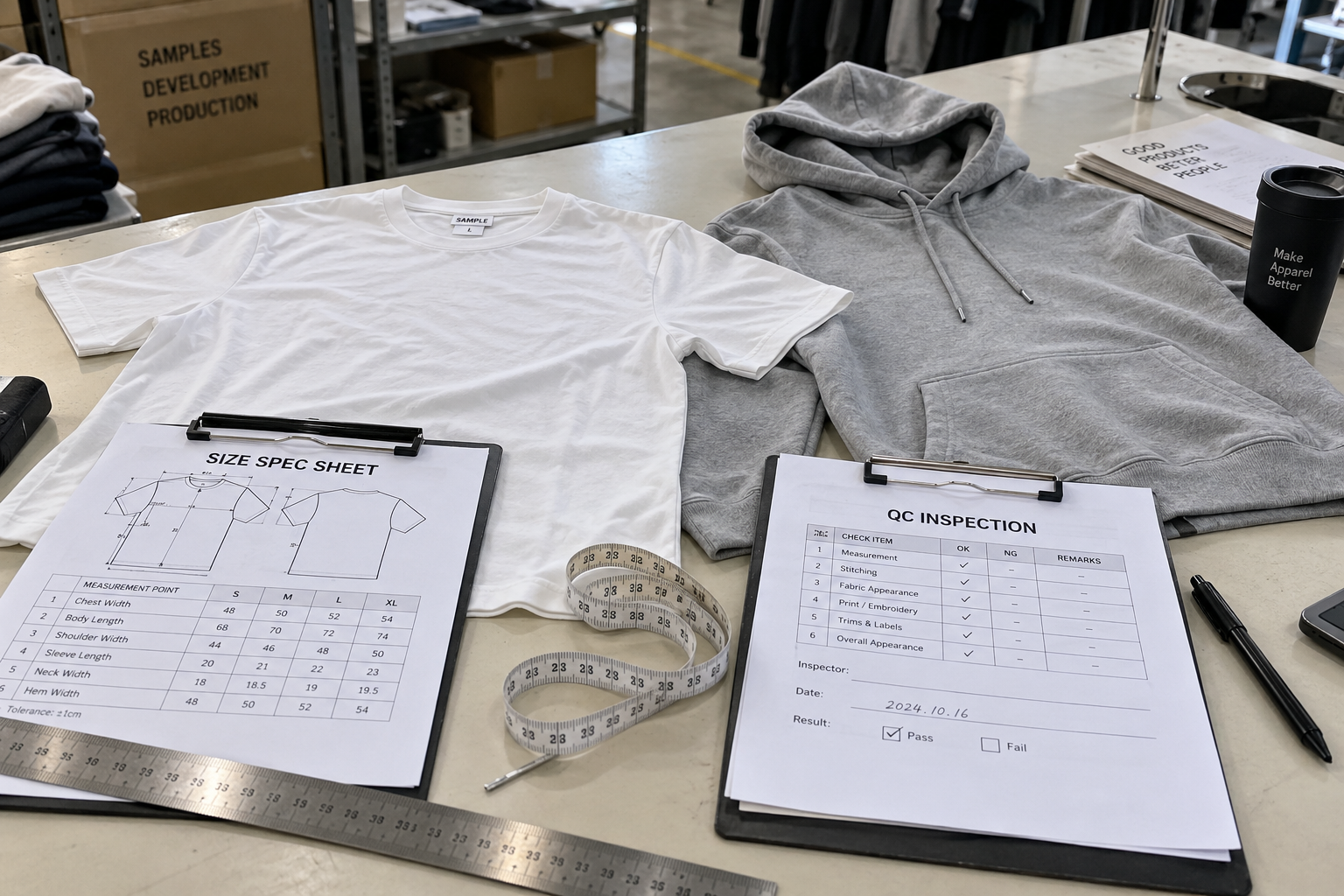
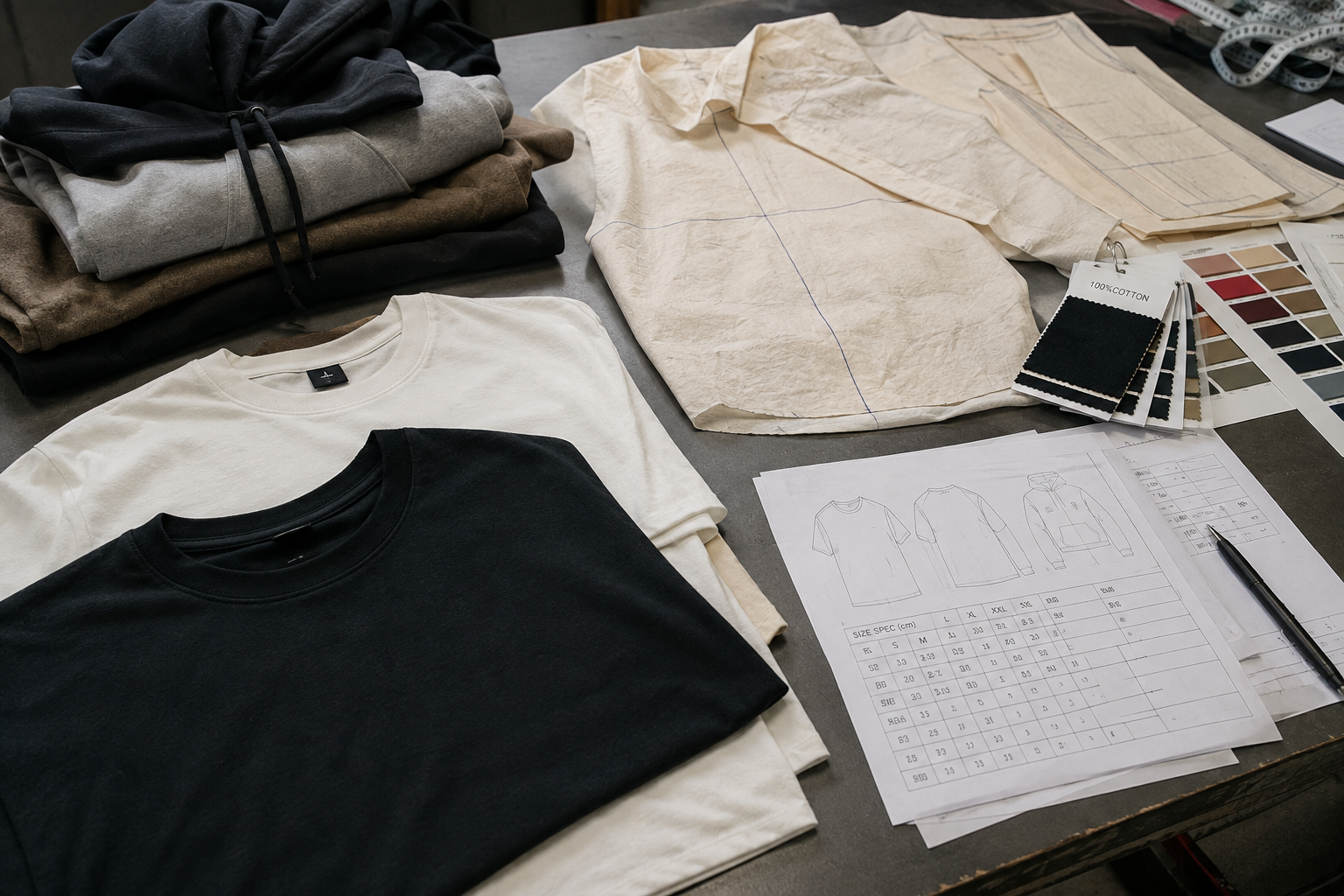
Always Test Samples
Design the Right Custom Hoodie



 You Can Find Us Here
 Room 5/F-11,Block A Wantong International Square Liwan District,Guangzhou.
Quick Links
Services

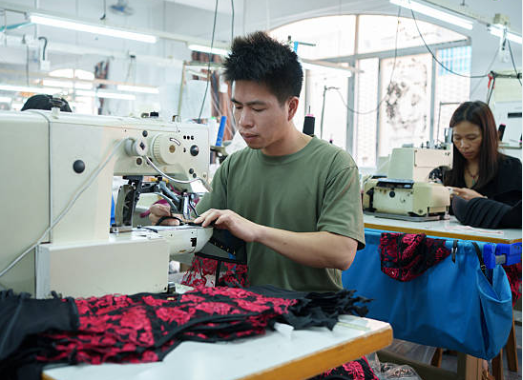
Founded in 2001, UNIT-100 is a custom clothing manufacturer, specializing in high-quality T-shirts, hoodies, and other knitwear.