
Please fill out the form below to request a quote or to request more information about us. please be as detailed as possible in your message, and we will get back to you as soon as possible with a response. we're ready to start working on your new project, contact us now to get started.
A Complete Guide To Wholesale Custom Apparel Manufacturers
2025-12-19
UNIT-100
64
Looking to bring your custom apparel ideas to life without breaking the bank? Whether you’re starting a brand, outfitting a team, or launching a retail collection, finding the right wholesale custom apparel manufacturer is crucial to your success. In this complete guide, we’ll walk you through everything you need to know — from selecting quality manufacturers and understanding pricing structures to navigating order minimums and delivery timelines. Get ready to discover insider tips and expert advice that will empower you to make informed decisions and create standout apparel your customers will love. Dive in and start your journey toward custom apparel success today!
- Understanding the Wholesale Custom Apparel Industry
The wholesale custom apparel industry plays a pivotal role in the broader fashion and merchandising markets, serving a diverse range of clients from small startups and independent designers to large corporations and promotional companies. At its core, the industry revolves around the production and distribution of clothing items that can be personalized according to client specifications, whether that entails custom logos, graphics, text, or unique design elements. Wholesale custom apparel manufacturers are the backbone of this sector, enabling businesses and individuals to obtain large volumes of customized clothing at competitive prices.
To fully understand the wholesale custom apparel industry, it is important to recognize the dynamics that set it apart from traditional apparel manufacturing. Unlike ready-to-wear clothing, which is produced on a mass scale with standard designs, wholesale custom apparel focuses on flexibility and customization. This requires manufacturers to maintain a balance between scalable production capabilities and the ability to accommodate variable design requests. Consequently, wholesale custom apparel manufacturers invest heavily in technologies such as screen printing, embroidery, direct-to-garment (DTG) printing, and sublimation, among others, which enable detailed and long-lasting customization.
One of the defining features of the wholesale custom apparel industry is its customer base. Buyers typically include promotional companies, event organizers, sports teams, schools, small businesses, and fashion brands looking to build their own lines without the overhead costs of developing manufacturing infrastructure. These customers benefit from wholesale pricing tiers, which become more attractive as order quantities increase. For wholesale custom apparel manufacturers, this model means they must be adept at handling bulk orders but also flexible enough to manage smaller, seasonal, or experimental runs.
Supply chain considerations are also central to understanding the wholesale custom apparel industry. Manufacturers must source high-quality blanks—basic garments that will later be customized—from reliable suppliers that offer a range of fabrics, sizes, and styles. The availability of these blanks influences production timelines and pricing structures. Furthermore, manufacturers must carefully manage inventory to avoid overstocking while ensuring the ability to fulfill orders promptly. Given the nature of custom apparel, turnaround times are often critical, particularly when clients need apparel for events or campaigns on fixed schedules.
Technological advancements continue to shape the wholesale custom apparel market. Innovations such as automation in print and embroidery processes have significantly increased speed and efficiency, reducing labor costs and enabling manufacturers to offer competitive pricing. Additionally, manufacturers often employ sophisticated order management and design platforms that allow clients to visualize their designs online before ordering, streamlining the customization process and minimizing errors. These digital tools not only improve customer experience but also help wholesale custom apparel manufacturers stand out in a crowded marketplace.
Quality control is another essential aspect that distinguishes reputable wholesale custom apparel manufacturers. Because custom apparel must meet clients’ expectations in terms of design precision, color fidelity, durability, and fabric comfort, manufacturers implement rigorous quality control measures at multiple stages of production. This often includes pre-production sample approvals, in-process inspections, and post-production audits. Manufacturers with a strong commitment to quality build lasting relationships with clients, encouraging repeat business and positive referrals.
Environmental and ethical considerations are increasingly relevant in the wholesale custom apparel industry. Many manufacturers now offer eco-friendly blank garments made from organic cotton or recycled materials, alongside sustainable printing techniques that reduce water and chemical usage. Ethical manufacturing practices, including fair labor policies and transparent sourcing, are becoming key differentiators as buyers become more socially conscious. Wholesale custom apparel manufacturers who prioritize sustainability are often able to attract clients who value responsible business practices.
Market trends within the wholesale custom apparel sector continue to evolve in response to consumer demands and cultural shifts. The rise of athleisure, for instance, has spurred demand for performance fabrics and functional apparel customizations. Similarly, niche markets such as streetwear and indie fashion brands leverage wholesale custom apparel manufacturers to produce unique and limited-edition pieces that emphasize exclusivity and creative expression. Additionally, the growth of e-commerce has opened new distribution channels for manufacturers to partner with online retailers and dropshippers, broadening their market reach.
In conclusion, the wholesale custom apparel industry is a dynamic and multifaceted segment of the garment production sector. Wholesale custom apparel manufacturers must blend expertise in production technology, supply chain management, and customer service to meet the varied and evolving needs of their clients. Understanding the unique characteristics, operational challenges, and market opportunities within this industry is essential for businesses looking to succeed in the realm of custom apparel production and sales.
- Key Factors to Consider When Choosing a Manufacturer
When it comes to launching a successful apparel brand or expanding an existing clothing line, partnering with the right wholesale custom apparel manufacturers is one of the most critical decisions you will make. The quality, cost, reliability, and flexibility of your manufacturing partner can directly impact your brand’s reputation, profit margins, and long-term growth. With the apparel industry becoming increasingly competitive and diverse, understanding the key factors to consider when choosing a manufacturer is essential for anyone looking to source wholesale custom apparel. This article delves into those vital factors so you can make an informed choice that aligns with your business goals.
First and foremost, **quality assurance** is paramount when selecting wholesale custom apparel manufacturers. The best manufacturer should have stringent quality control processes in place that ensure consistent production standards. This consistency helps minimize defects and ensures that your customers receive products that meet or exceed their expectations. Ask potential manufacturers for samples to evaluate fabric quality, stitching, and overall craftsmanship. Additionally, check if they have certifications like ISO, OEKO-TEX, or WRAP, which indicate adherence to international quality and ethical production standards. The ability to produce garments that meet your design specifications and quality benchmarks is non-negotiable.
Another crucial factor is the **manufacturing capabilities and specialization** of the wholesale custom apparel manufacturers. Some factories may excel at producing specific types of garments such as t-shirts, hoodies, or performance wear, while others might be better suited for complex designs or specific fabric types. Understanding the manufacturer’s equipment, technology, and workforce expertise will help determine if they can meet your product requirements. For example, if your brand demands custom embroidery or intricate prints, finding a manufacturer experienced with advanced techniques is important. Furthermore, manufacturers with experience in producing large volumes with precision offer an advantage if you plan to scale your business quickly.
**Minimum order quantities (MOQs)** are often a deal-breaker for many entrepreneurs and small brands. Wholesale custom apparel manufacturers typically require MOQs to justify their setup and production costs. Ensure that the MOQs offered fit within your budget and scale expectations. While some manufacturers might require thousands of units per style or color, others specialize in smaller runs or even sample-sized batches. Flexibility in MOQs can be particularly advantageous when testing new products or entering new markets without committing too much capital upfront.
Cost is, understandably, a significant concern when choosing a manufacturing partner. However, it is vital to balance cost with quality and service. Extremely low prices could indicate substandard materials or unethical labor practices, which can ultimately harm your brand’s reputation. Request detailed quotations that break down unit costs, shipping, setup fees, and any other hidden charges. Keep in mind that manufacturers located closer to your primary market might reduce shipping expenses and lead times, positively impacting your overall costs. Negotiating payment terms that minimize upfront risk, such as partial deposits or milestone payments, may also be worth considering.
The **lead time and production capacity** of wholesale custom apparel manufacturers directly influence how quickly you can replenish your stock and respond to market demand. Establish clear expectations about turnaround times before signing any contracts. Reliable manufacturers communicate transparently about their schedules and any potential delays. This transparency helps in planning your inventory and marketing campaigns effectively. Additionally, manufacturers with scalable production capacity can accommodate sudden increases in demand, ensuring your brand never misses a sales opportunity.
Building a strong, communicative relationship with your manufacturer is often overlooked but incredibly important. Effective communication ensures your ideas are correctly understood and executed, from design details to delivery deadlines. Look for manufacturers who are responsive, open to collaboration, and provide regular updates throughout the production process. Modern wholesale custom apparel manufacturers often utilize digital tools like online portals or instant messaging apps to streamline communication, making it easier to manage orders even from afar.
Ethical production practices and sustainability are becoming increasingly important to consumers and brands alike. When choosing wholesale custom apparel manufacturers, investigate their labor conditions, environmental policies, and use of sustainable materials. Certifications such as Fair Trade or Global Organic Textile Standard (GOTS) confirm a manufacturer’s commitment to ethical standards. Partnering with socially responsible manufacturers can enhance your brand image and appeal to an eco-conscious customer base.
Finally, reviewing references or testimonials and visiting the manufacturer’s facility, if possible, provides invaluable insight. Feedback from other clients can shed light on the manufacturer’s reliability, craftsmanship, and service levels. Visiting the factory enables you to verify working conditions, technology used, and overall professionalism.
In conclusion, selecting the right wholesale custom apparel manufacturers requires careful consideration of various factors including quality assurance, manufacturing expertise, flexible MOQs, cost structure, lead times, communication, ethical practices, and reputation. Taking time to research and align these factors with your brand’s vision and operational needs will lay a solid foundation for long-term success in the custom apparel market.
- Exploring Different Types of Custom Apparel and Materials
When venturing into the world of wholesale custom apparel manufacturers, one of the most critical aspects to understand is the variety of custom apparel types and the materials used in their production. Exploring different types of custom apparel and materials not only helps businesses select the perfect options for their specific needs but also ensures quality, comfort, and durability for the end user. Whether you are launching a clothing brand, organizing promotional events, or outfitting your team, a comprehensive knowledge of these variations empowers you to make well-informed decisions when partnering with wholesale custom apparel manufacturers.
### Types of Custom Apparel
Wholesale custom apparel manufacturers cater to diverse demands, offering a broad spectrum of clothing types that can be personalized according to specific design requirements. Here are some of the most common categories:
**1. T-Shirts**
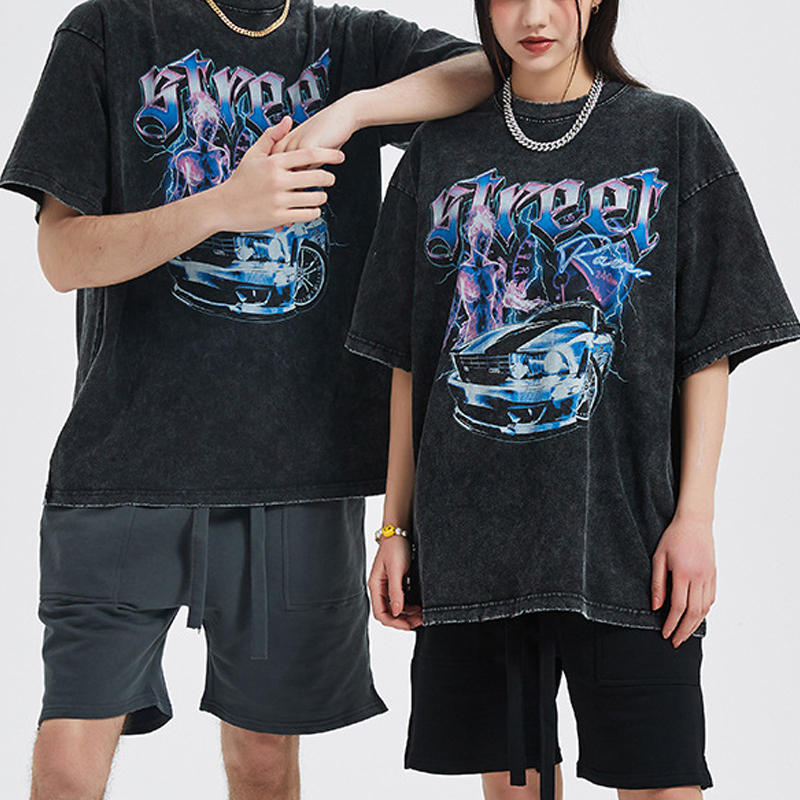
T-shirts are among the most popular custom apparel products due to their universal appeal, versatility, and cost-effectiveness. Available in various cuts including crew neck, V-neck, and long-sleeve, custom T-shirts are a staple for promotional merchandise, team uniforms, and everyday casual wear. When ordering from wholesale custom apparel manufacturers, customers can choose from numerous printing and embroidery techniques to bring their designs to life on T-shirts.
**2. Hoodies and Sweatshirts**
For cooler weather or a more athletic aesthetic, hoodies and sweatshirts are favored choices. Custom hoodies lend themselves well to bold graphics and logos, offering warmth and style simultaneously. Sweatshirts, similar to hoodies but without a hood, provide another comfortable and casual option, ideal for schools, sports teams, and corporate apparel.
**3. Polo Shirts**
Polo shirts strike a balance between casual and formal, featuring collars and buttons that make them suitable for business casual environments. Wholesale custom apparel manufacturers often supply polos made of breathable materials, perfect for promotional giveaways at conferences or as uniforms for retail and hospitality sectors.
**4. Jackets and Outerwear**
Custom jackets and outerwear provide a premium offering for brands looking to deliver functional and stylish apparel. From windbreakers to fleece jackets, these pieces can be customized with embroidery or patches. Outerwear is particularly popular for outdoor events, corporate gifts, and activewear collections.
**5. Activewear and Performance Apparel**
As fitness and wellness continue to grow in popularity, so does the demand for custom activewear. Wholesale custom apparel manufacturers create moisture-wicking, breathable fabrics designed for maximum comfort and performance. This category includes leggings, sports bras, shorts, and tank tops, often used by gyms, sports teams, and fitness influencers.
**6. Hats and Accessories**
Although not traditional apparel, hats like caps and beanies are often offered alongside custom clothing by wholesale custom apparel manufacturers. They serve as excellent branding pieces and add a stylish touch to a custom apparel line.
### Popular Materials Used by Wholesale Custom Apparel Manufacturers
The choice of fabric is as essential as the apparel type itself. Material selection affects feel, fit, durability, and the final appearance of custom designs. Wholesale custom apparel manufacturers typically offer a range of textiles suited for different purposes:
**1. Cotton**
Cotton remains the gold standard for custom apparel due to its softness, breathability, and natural feel. It works well for T-shirts, hoodies, and polos, providing comfort in everyday wear. Many manufacturers offer 100% cotton or cotton blends that combine durability with ease of care.
**2. Polyester**
Polyester is favored for its wrinkle resistance, strength, and color retention, making it ideal for activewear and performance apparel. It is also quick-drying and moisture-wicking, attributes highly valued in sports clothing.
**3. Cotton-Polyester Blends**
Blends are popular because they capture the best qualities of both fibers — the softness of cotton and the durability of polyester. These fabrics are highly versatile and reduce shrinkage and wrinkles in custom apparel.
**4. Tri-Blends**
A mixture of cotton, polyester, and rayon, tri-blend fabrics have gained popularity for their ultra-soft texture and vintage feel. They drape well and are often chosen for premium custom T-shirts and casualwear.
**5. Fleece**
Fleece fabrics, typically made of polyester, are used in hoodies and sweatshirts to provide warmth without the bulk. This material is soft, lightweight, and insulating.
**6. Technical Fabrics**
For more specialized needs, wholesale custom apparel manufacturers offer fabrics with advanced features such as antibacterial properties, UV protection, and high elasticity for enhanced performance and comfort.
---
Understanding these various types of custom apparel and the materials used by wholesale custom apparel manufacturers is fundamental to building a successful product lineup. The range of styles and fabrics available today ensures that no matter the audience or purpose, there is a perfect option that balances aesthetics, function, and budget. By carefully selecting the right combinations, businesses can develop apparel that not only stands out aesthetically but also delivers on comfort and durability.
- Steps to Successfully Partner with a Wholesale Custom Apparel Manufacturer
Entering the custom apparel industry or expanding your existing clothing brand often requires collaborating with wholesale custom apparel manufacturers. These manufacturers offer the scalability, expertise, and resources necessary to produce quality products in bulk, making them indispensable partners for businesses aiming to succeed in the apparel market. However, building a successful partnership involves more than merely placing an order. Understanding the steps to effectively collaborate with wholesale custom apparel manufacturers can save time, reduce costs, and ensure your brand’s vision is perfectly realized.
1. **Identify Your Specific Needs and Goals**
Before engaging with wholesale custom apparel manufacturers, it is essential to define your business objectives and product requirements clearly. Determine the types of apparel you want to produce, such as t-shirts, hoodies, or athletic wear, and the customization options needed, including fabric type, printing methods (screen printing, embroidery, DTG), color schemes, and sizing variations. Knowing your target market and order volume also influences selecting the right manufacturing partner. Having a detailed specification sheet helps manufacturers understand your expectations and reduces miscommunication.
2. **Conduct Thorough Research and Shortlist Manufacturers**
The wholesale custom apparel manufacturing industry is vast, with numerous companies varying in specialization, pricing, quality standards, and minimum order quantities (MOQs). Take time to research manufacturers who align with your product type and scale. Look for companies experienced in working with your target market and capable of delivering consistent quality. Online directories, trade shows, industry forums, and referrals can serve as valuable resources. Shortlist manufacturers based on factors such as production capability, lead times, certifications (e.g., ethical sourcing, environmental standards), and client feedback.
3. **Request Samples and Evaluate Quality**
Never skip the step of ordering samples from potential wholesale custom apparel manufacturers. Samples provide tangible proof of a manufacturer’s workmanship, fabric quality, printing precision, and finishing touches. Pay close attention to fabric texture, colorfastness, sewing durability, and compliance with your customization ideas. Evaluating samples also allows you to verify if the product matches your brand’s image and meets customer expectations. Be prepared to request multiple rounds of samples if necessary, as minor adjustments help perfect the final product.
4. **Clarify Pricing, Payment Terms, and Order Minimums**
After narrowing down your choices, engage in detailed discussions about pricing structures. Wholesale custom apparel manufacturers usually charge based on order size, complexity of customization, and materials used. Ensure you fully understand all costs, including setup fees, shipping charges, and taxes. Clarify payment terms – whether deposits are required upfront and the balance paid on delivery – as well as turnaround times. Confirm the manufacturer’s minimum order quantities to avoid situations where your initial order is too small or too large, which may affect pricing or production schedules.
5. **Communicate Your Design Specifications Clearly**
A precise and professional design file is critical to avoid production errors. Provide your wholesale custom apparel manufacturer with high-quality artwork, specifying formats (e.g., vector files), colors (Pantone or CMYK codes), and placement for custom prints or embroidery. Include detailed instructions on size scaling, ink types, and any special requirements. Maintain open communication channels to promptly address questions or changes throughout the production process. This proactive collaboration minimizes costly mistakes and ensures the output aligns perfectly with your vision.
6. **Establish a Reliable Production Timeline**
Timely delivery is vital in wholesale custom apparel manufacturing, especially when launching seasonal collections or fulfilling large orders. Work with your manufacturer to create a realistic production schedule that accounts for sample approvals, production runs, quality inspections, and shipping. Buffer time for unexpected delays is advisable. Regular progress updates and milestones help you stay informed and manage your inventory planning more effectively.
7. **Implement Quality Control Measures**
Even trusted wholesale custom apparel manufacturers can occasionally produce batches with defects or inconsistencies. Establish quality control (QC) procedures, whether performed by your team or a third-party inspection service, to review garments for stitching quality, print accuracy, color consistency, and sizing conformity. Identify acceptable tolerance levels before final approval and shipment. Providing feedback to your manufacturing partner after each order builds a relationship focused on continuous improvement.
8. **Build a Long-Term Relationship Based on Trust and Transparency**
Successful partnerships with wholesale custom apparel manufacturers often evolve into mutually beneficial collaborations grounded in trust, transparency, and open communication. Treat your manufacturer as a strategic partner rather than just a supplier. Share your brand’s growth plans, seek their input on new product ideas, and stay informed about industry trends or raw material availability. Consistency in orders and prompt payments also foster goodwill, which can lead to priority treatment, better pricing, and innovation support.
Taking the time to carefully select and work collaboratively with wholesale custom apparel manufacturers not only ensures high-quality products but also strengthens your brand reputation and market competitiveness. Following these steps establishes a solid foundation for business growth and reliable supply chain management in the custom apparel industry.
- Tips for Managing Quality and Ensuring Timely Delivery
When working with wholesale custom apparel manufacturers, managing quality and ensuring timely delivery are two of the most critical components that directly impact your brand’s reputation and customer satisfaction. Whether you are sourcing bulk custom t-shirts, hoodies, or other apparel, maintaining a balance between quality standards and delivery schedules can be challenging. However, with the right strategies and proactive communication, businesses can streamline production, avoid costly delays, and produce high-quality garments consistently.
### Establish Clear Quality Standards from the Start
A primary tip for managing quality is to define explicit quality standards before production even begins. Wholesale custom apparel manufacturers often cater to a variety of clients and many styles, so uniformity in expectations is crucial. Detailed tech packs, including fabric specifications, stitch types, thread count, color codes, and embroidery or printing guidelines, provide manufacturers with a precise reference point. Using visuals such as high-resolution images or videos alongside the technical descriptions can help eliminate misunderstandings.
Additionally, sampling plays an integral role in ensuring quality. Requesting pre-production samples or prototypes allows you to physically assess the material, cut, stitching, and print or embroidery quality. This stage offers an opportunity to make adjustments and prevents mass production errors, which can be costly. Some wholesale custom apparel manufacturers offer multiple sample iterations for further refinement, and taking advantage of this can save time and resources.
### Choose Manufacturers with a Proven Track Record
Partnering with wholesale custom apparel manufacturers who have established a reputation for quality and reliability is fundamental. Conduct thorough research — read customer testimonials, request case studies or portfolios of previous work, and check for any relevant certifications (such as ISO certification) that validate their quality management systems. Verified manufacturers typically have stringent quality control processes in place, including in-line inspections and final pre-shipment audits, which ensure garments meet agreed specifications before they leave the factory.
### Implement Regular Quality Inspections
Even when working with trusted manufacturers, continuous quality assurance is key. Setting up regular inspections during different production phases will help identify potential issues early. For example, initial fabric inspection can verify material compliance, while mid-production sampling can check on stitch integrity and print alignment. Advanced inspection methods, including random audits and third-party quality control services, can further safeguard against defects slipping through.
Some wholesale custom apparel manufacturers also adopt technological tools such as digital tracking systems to monitor production progress and quality parameters in real time. Leveraging such technologies can provide transparency and reduce errors, allowing you to react quickly if deviations occur.
### Prioritize Production Scheduling and Communication
Timely delivery hinges on effective production scheduling and open communication channels between brands and manufacturers. Aligning your expectations for lead times, batch sizes, and potential bottlenecks early on helps prevent surprises down the line. Work with manufacturers who provide detailed production timelines, including milestones such as sample approval, bulk manufacturing, quality inspections, and shipping.
Establishing regular check-ins during the manufacturing process is equally essential. Video calls, progress photos, or live factory walk-throughs facilitate transparency and demonstrate commitment to deadlines. Furthermore, open communication allows for swift problem-solving if there are unexpected delays, such as supply chain disruptions or machinery breakdowns.
### Build a Contingency Plan for Unexpected Delays
Even with the best suppliers and meticulous planning, unforeseen events can affect delivery schedules. It’s wise to develop contingency plans with your wholesale custom apparel manufacturers to mitigate these risks. This could include negotiating buffer times into your delivery dates, maintaining flexible order quantities, or having secondary suppliers on standby.
Also, consider implementing just-in-time inventory strategies where possible, so you can respond quickly to market demand without overstocking. Engaging your manufacturer in these discussions fosters a collaborative relationship, making it easier to adapt when challenges arise.
### Emphasize Sustainable Practices Without Compromising Timelines
An emerging trend with wholesale custom apparel manufacturers is the demand for sustainable and ethically produced garments. While this could complicate production processes, integrating environmentally friendly materials and ethical labor practices should be encouraged. Work closely with manufacturers who prioritize sustainability and who can provide transparency on sourcing and production practices. This often aligns with quality management since ethical operations tend to maintain superior standards.
By focusing on manufacturers with sustainability certifications or strong corporate social responsibility policies, your brand can uphold quality while meeting modern consumer expectations. Transparent timelines and quality standards must remain a priority even when adopting green manufacturing methods.
###
Managing quality and ensuring timely delivery with wholesale custom apparel manufacturers is a multifaceted process that requires clear communication, thorough planning, and ongoing quality controls. From specifying your quality criteria to fostering strong supplier relationships and preparing contingency strategies, these tips help businesses scale their custom apparel operations without sacrificing brand integrity or customer satisfaction. By embracing a proactive approach, you can confidently navigate the complexities of wholesale custom apparel manufacturing and maintain a competitive edge in the market.
Conclusion
In conclusion, navigating the world of wholesale custom apparel manufacturing can seem daunting, but with the right knowledge and trusted partners, it becomes a seamless and rewarding process. With over 24 years of experience in the industry, we understand the nuances and demands of creating high-quality, customized apparel that meets your unique needs. Whether you’re a startup seeking your first bulk order or an established brand looking to scale, partnering with seasoned manufacturers who prioritize quality, reliability, and innovation will set you up for success. Armed with the insights from this guide, you're now better equipped to make informed decisions and bring your custom apparel vision to life.
Table of Contents
GET IN TOUCH WITH Us
 You Can Find Us Here
 Room 5/F-11,Block A Wantong International Square Liwan District,Guangzhou.
Quick Links
Services
Contact Us

Founded in 2001, UNIT-100 is a custom clothing manufacturer, specializing in high-quality T-shirts, hoodies, and other knitwear.
Copyright © 2026 UNIT-100 · Privacy policy |Sitemap