


Blog
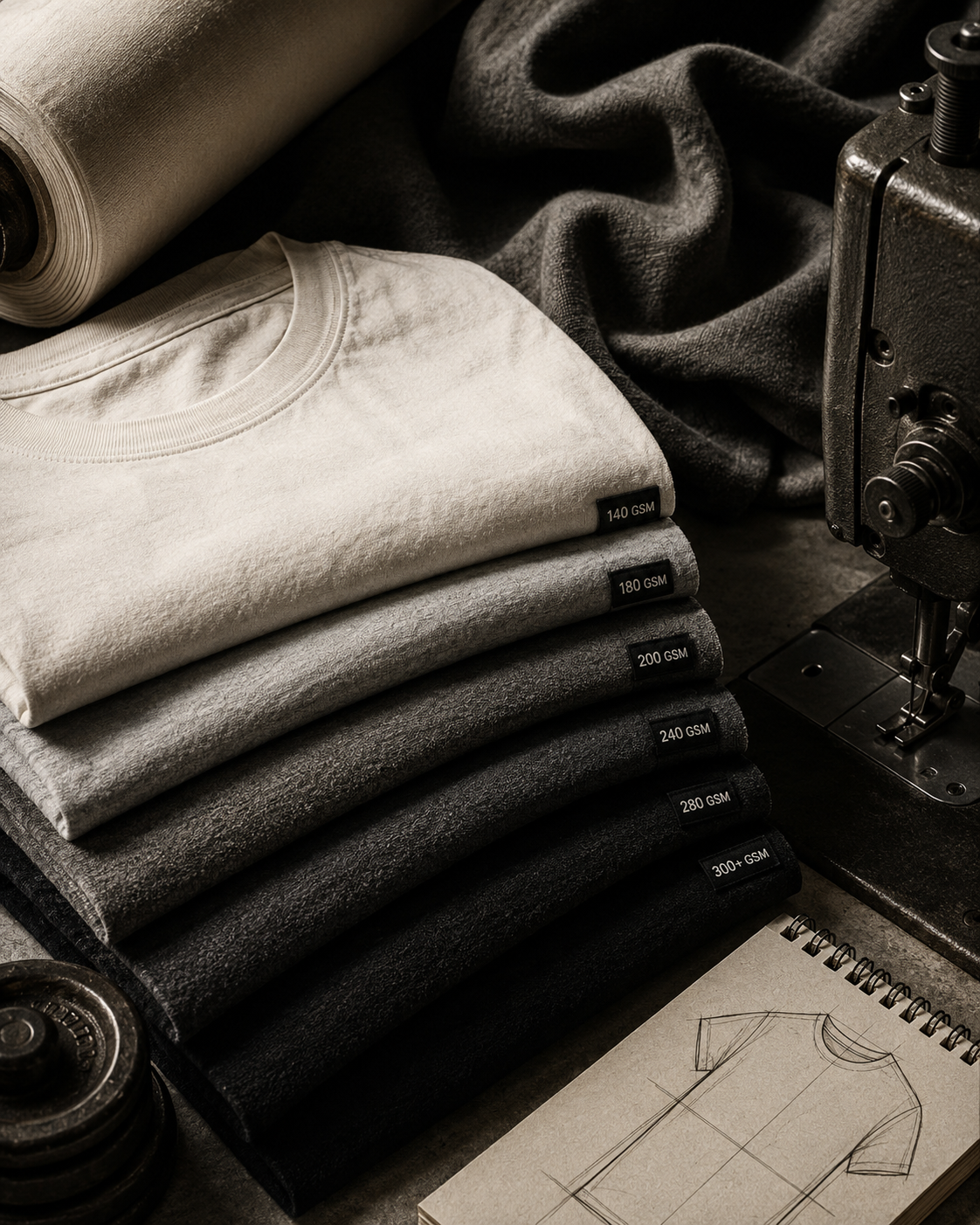
This article explains why GSM is one of the most important factors in streetwear T-shirt development. It covers how different fabric weights influence fit, shape, comfort, durability, and overall appearance, while also comparing lightweight, midweight, and heavyweight tees to help brands choose the right option for their collections.
2026
05
07

Most brands start by looking at hoodie unit price, but that’s rarely the full picture. Once you factor in customization, sampling, shipping, and import fees, costs can quickly climb 25–40% higher than expected. This article walks through each part of the process so you can see where the money actually goes and plan your production with fewer surprises.
2026
04
25

Learn to vet clothing manufacturers by asking about MOQs , in-house production , and QC systems. Pro questions show you are a serious buyer. Cover timelines and payments to ensure quality.
2026
04
23
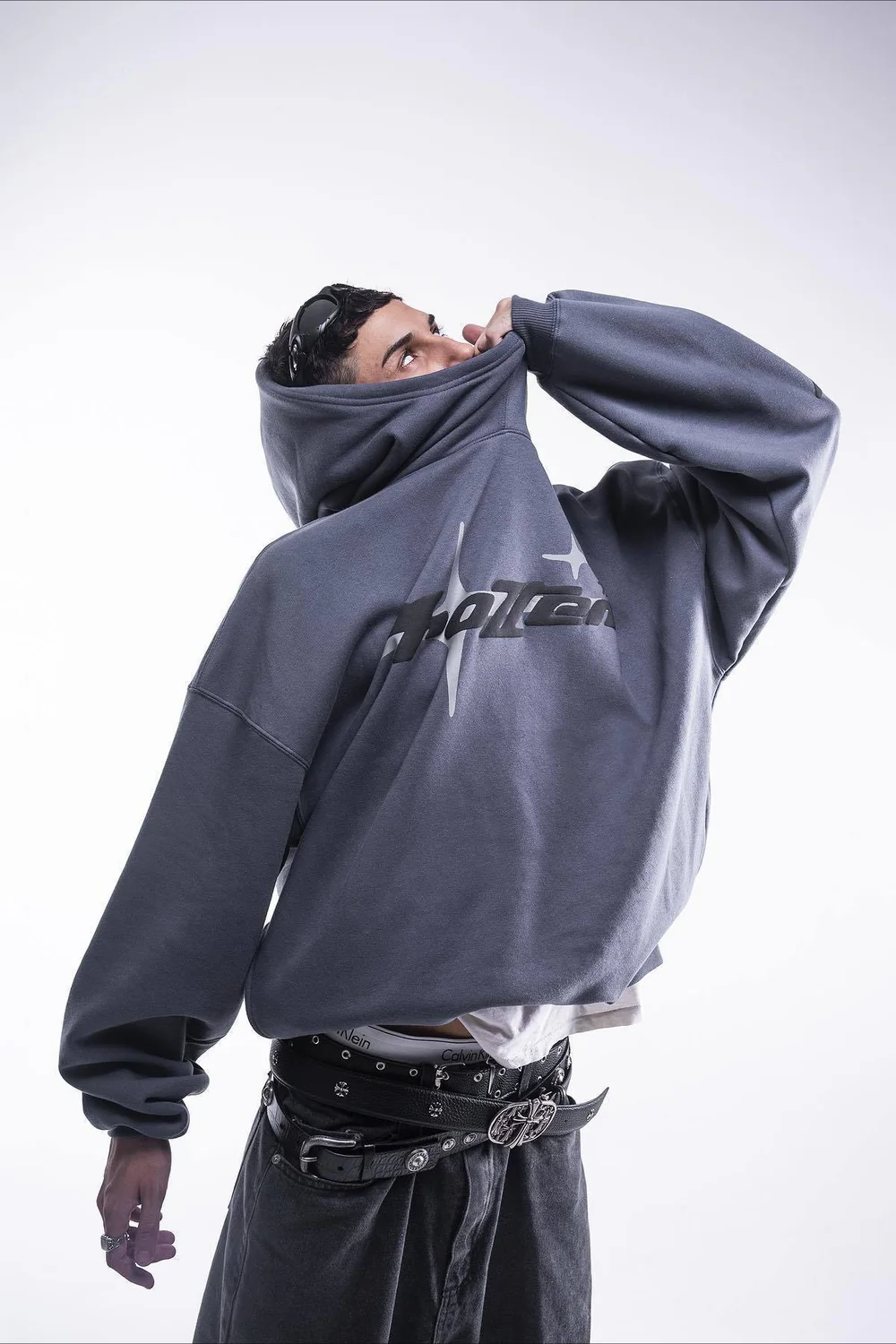
Choose between screen printing, DTG, or DTF based on order size and design complexity to balance cost and quality. Matching the right method to your brand ensures professional results.
2026
04
23

Why Trading Companies Cost You More on Small Batch Orders. For new streetwear brands starting with 50-300-piece orders, trading companies are costlier (30-40% higher than factory-direct) due to price gaps, lacking transparency and causing communication issues.
2026
03
28

Newcomers to streetwear customization often misjudge priorities; the key is choosing the right factory. Suppliers have three types: trading companies, tailor factories and full-industry-chain factories. The U.S. customization market is large, and growing brands value suppliers balancing quality and efficiency, which is vital for brand development.
2026
03
28
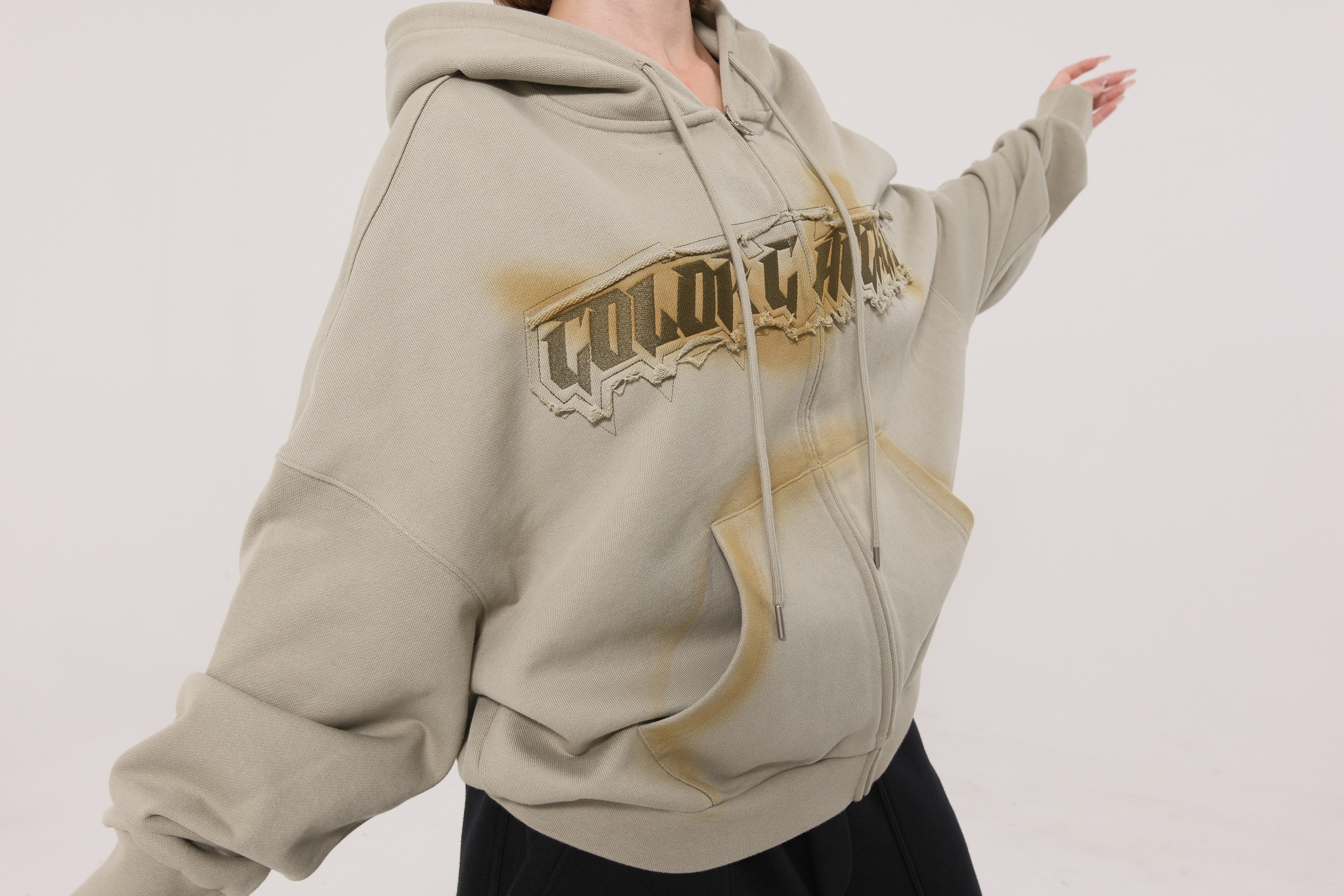
Hoodie hem tightness is a small but vital detail, and UNIT-100 sees it as key to fit and wear comfort. A tight hem gives a clean look, great for athletic styles, but it causes fabric bunching and feels restrictive for casual wear, pulling oddly when you move. A loose hem lets the hoodie hang naturally, for easy movement and a relaxed streetwear vibe—even better with heavy fabrics—yet too loose makes it shapeless and messy. Hem tightness has to match the hoodie’s length, body width and fabric weight, and its real effect only shows when you’re moving. That’s why UNIT-100 does real-life wear tests, making hems that balance structure and comfort, feeling unnoticeable when worn daily.
2026
03
19
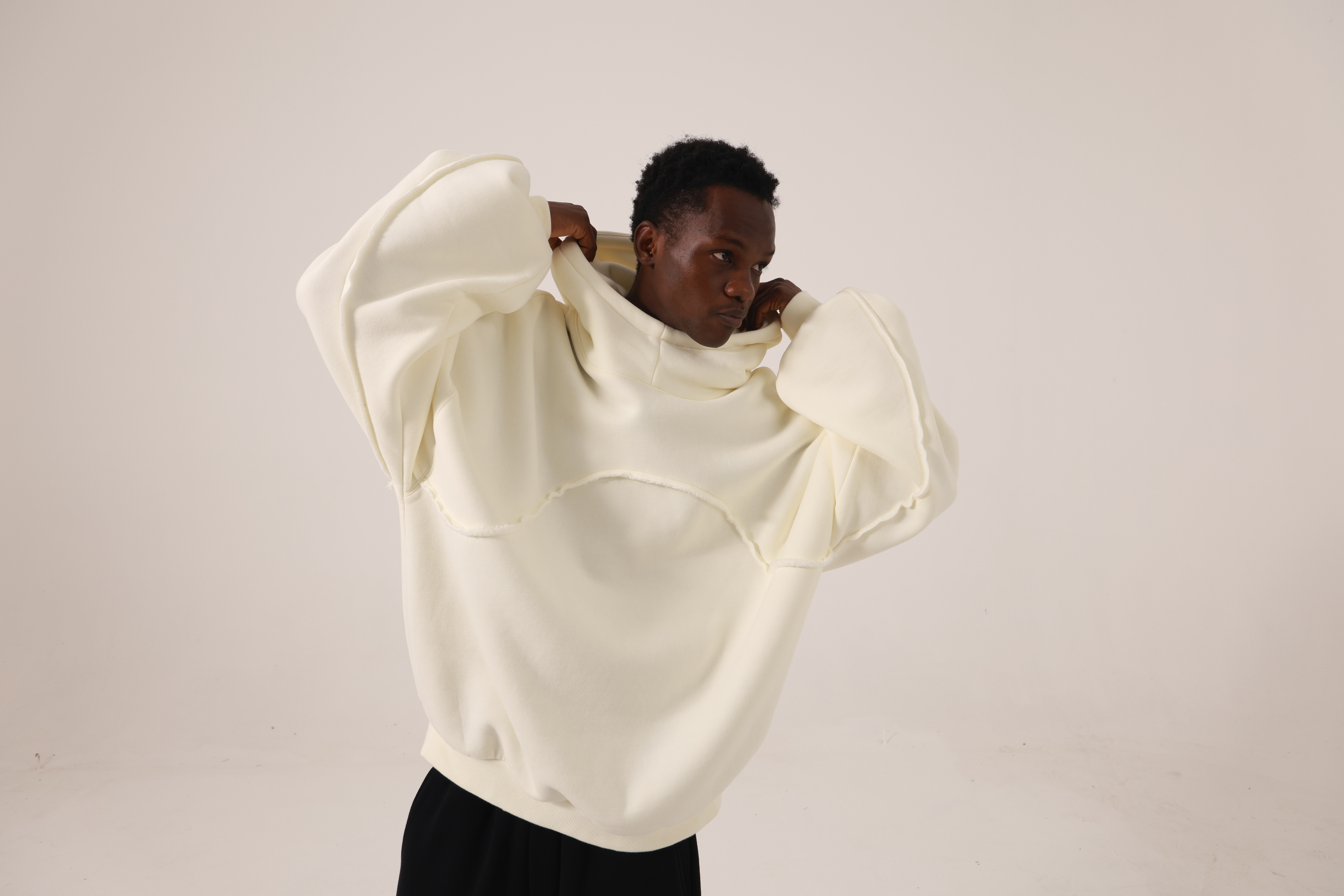
Hoodie cuff tightness is a tiny yet impactful detail, a key cause of subtle discomfort noted by UNIT-100. Tight cuffs offer a neat fit but bring wrist pressure and bulky sleeves for casual wear, while loose cuffs enable natural movement, lighten the feel and suit streetwear. Cuffs must match sleeve volume; discomfort shows up only when moving, so UNIT-100 uses motion-based tests, designing cuffs to blend function and comfort that stay unnoticeable during wear
2026
03
13
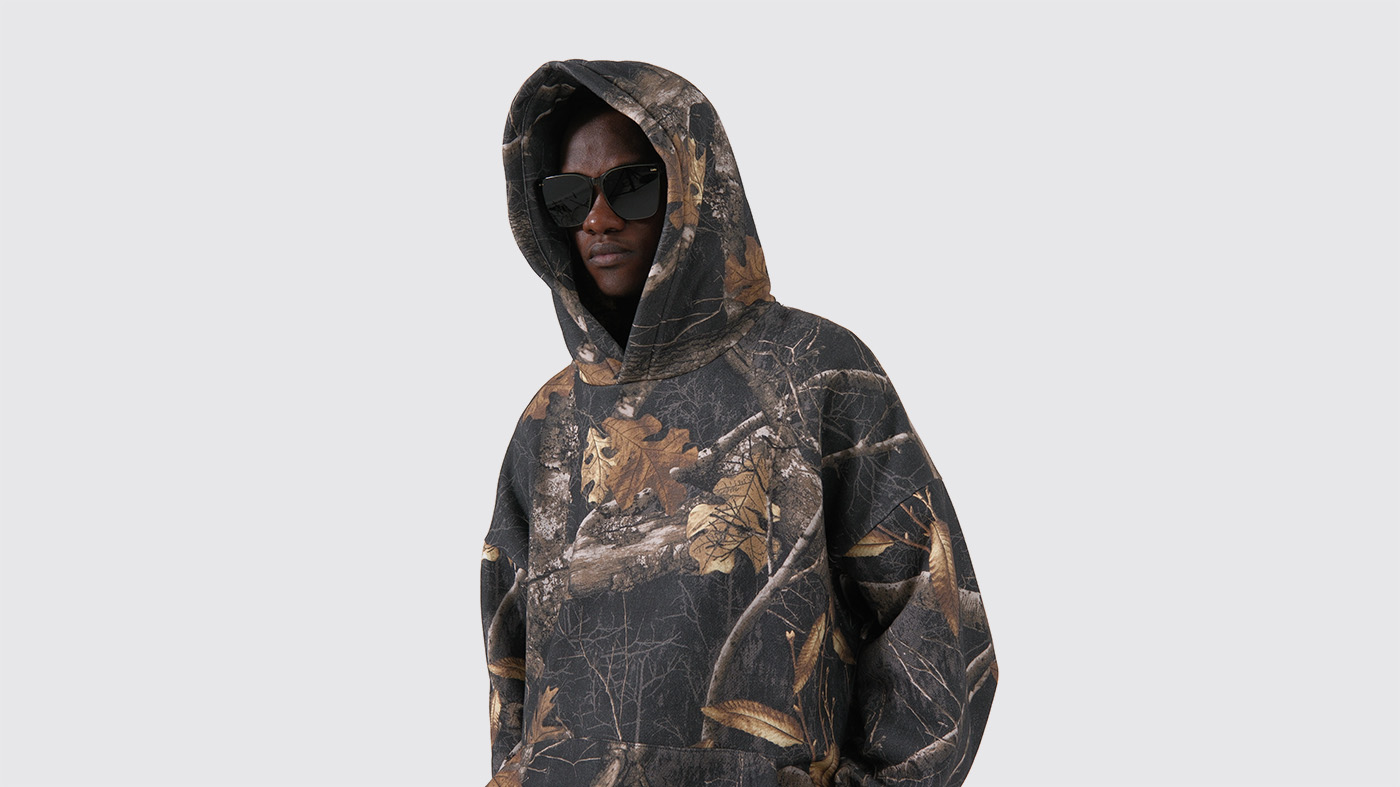
When folks sit down to hash out hoodie design, the hood's almost always an afterthought-just something to keep you warm when it's chilly, block a random gust of wind, or just make it count as a hoodie. Most brands don't overthink its size; once there's a hood stitched on, they're already onto picking fabric, tweaking the body fit, or sketching up flashy graphics. But when you actually slip the hoodie on and wear it out-running errands, grabbing coffee, hanging with friends-hood size hits way different than you'd guess.
2026
02
11

When folks chat about T-shirt design, most conversations fixate on fabric heft, graphic prints, or how the whole thing fits. Sleeve width? It's usually tossed to the side - even though it's a total game-changer for how a tee feels on your body and how it shapes your look. Mess with the sleeve opening a little, or add some extra volume to the sleeve, and the shirt's entire vibe does a 180.
2026
02
11
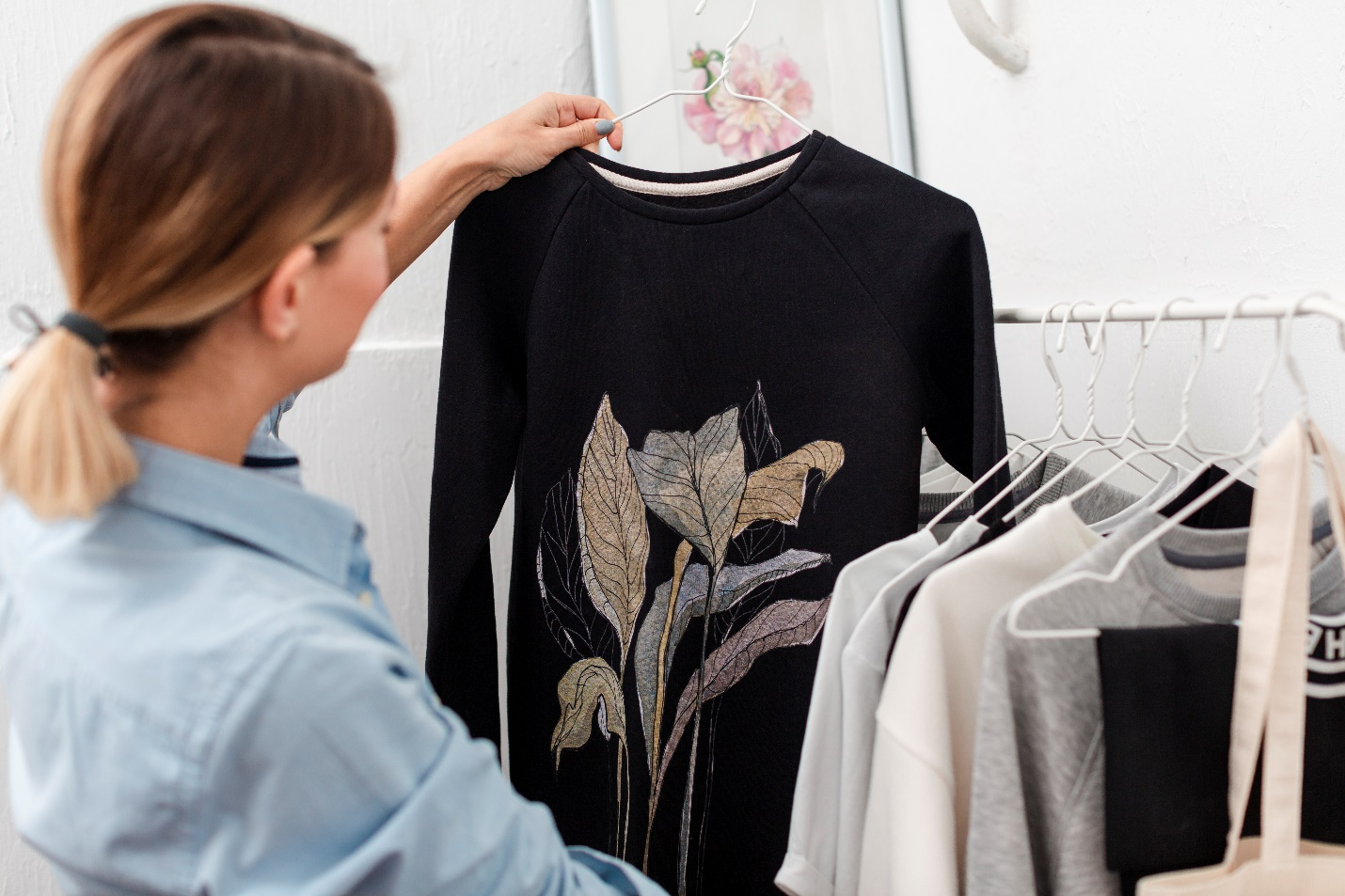
Building a clothing brand is about more than just great designs and marketing. How your clothes are made has a big impact on the reputation of your brand and how your business grows over time. Many brands struggle with problems like inconsistent sizing, low-quality fabrics, and late deliveries when they work with big mass-production suppliers. These issues can hurt sales and make customers lose trust.
2026
01
22
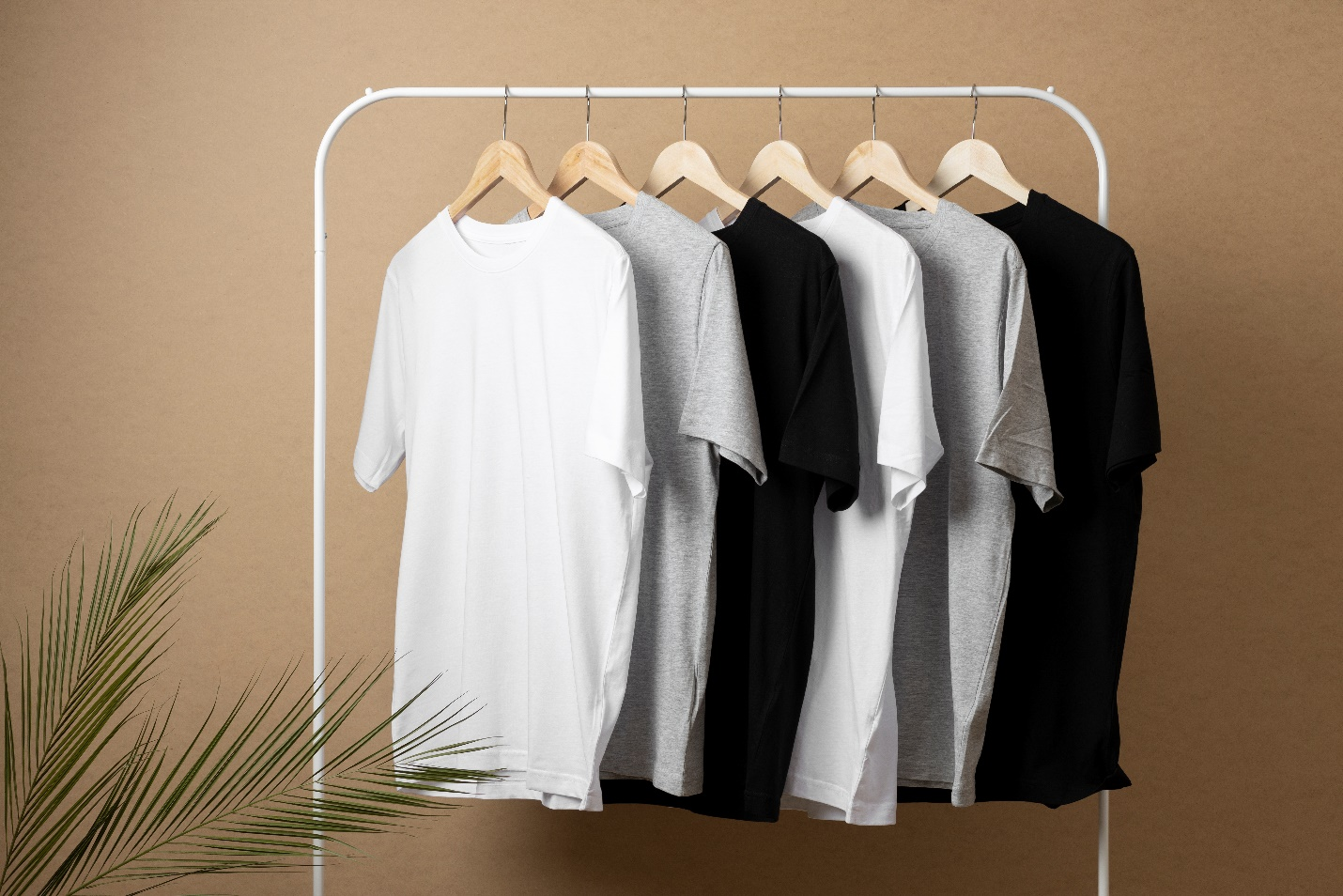
In a world where brands are constantly competing for attention, visibility matters more than ever. A custom t-shirt is one of the easiest, but most efficient methods of brand promotion. It is cheap, practical, and makes everyone walking a brand ambassador.
2026
01
21
Recommended for You
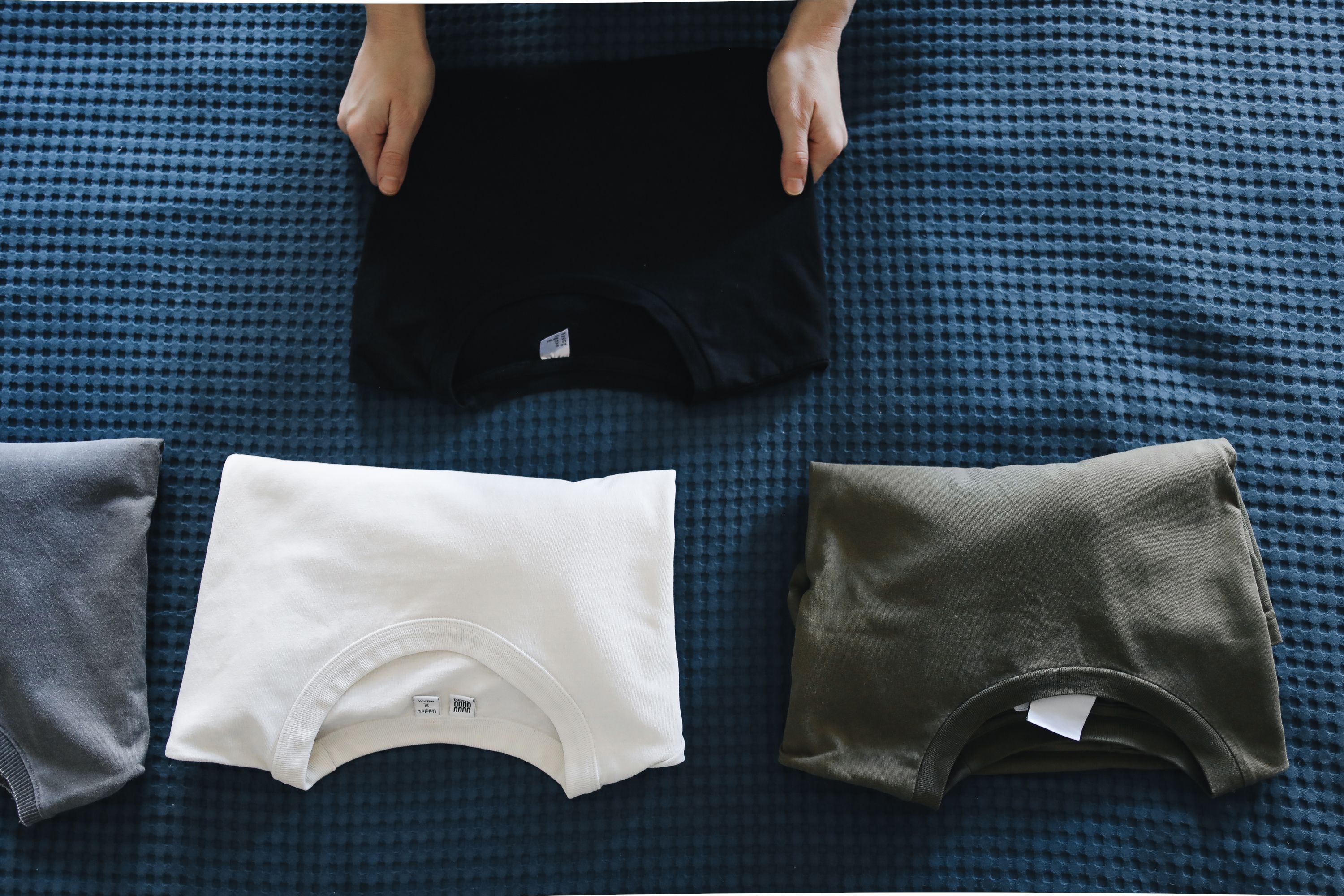
Need a heavyweight T-shirt manufacturer? Get 180-240 GSM cotton tees, low MOQ, fast samples, and direct factory pricing. Request your quote today.

Looking for a trusted custom hoodie manufacturer in China? UNIT-100 offers full production, fast turnaround, and quality control. Start your project today.
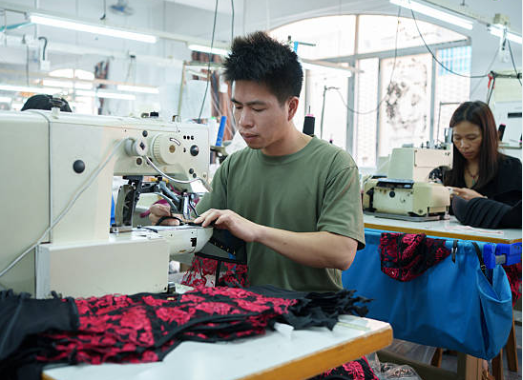
Want to make clothes in China but don't know where to start? Learn how to find a custom clothing manufacturer you can trust.

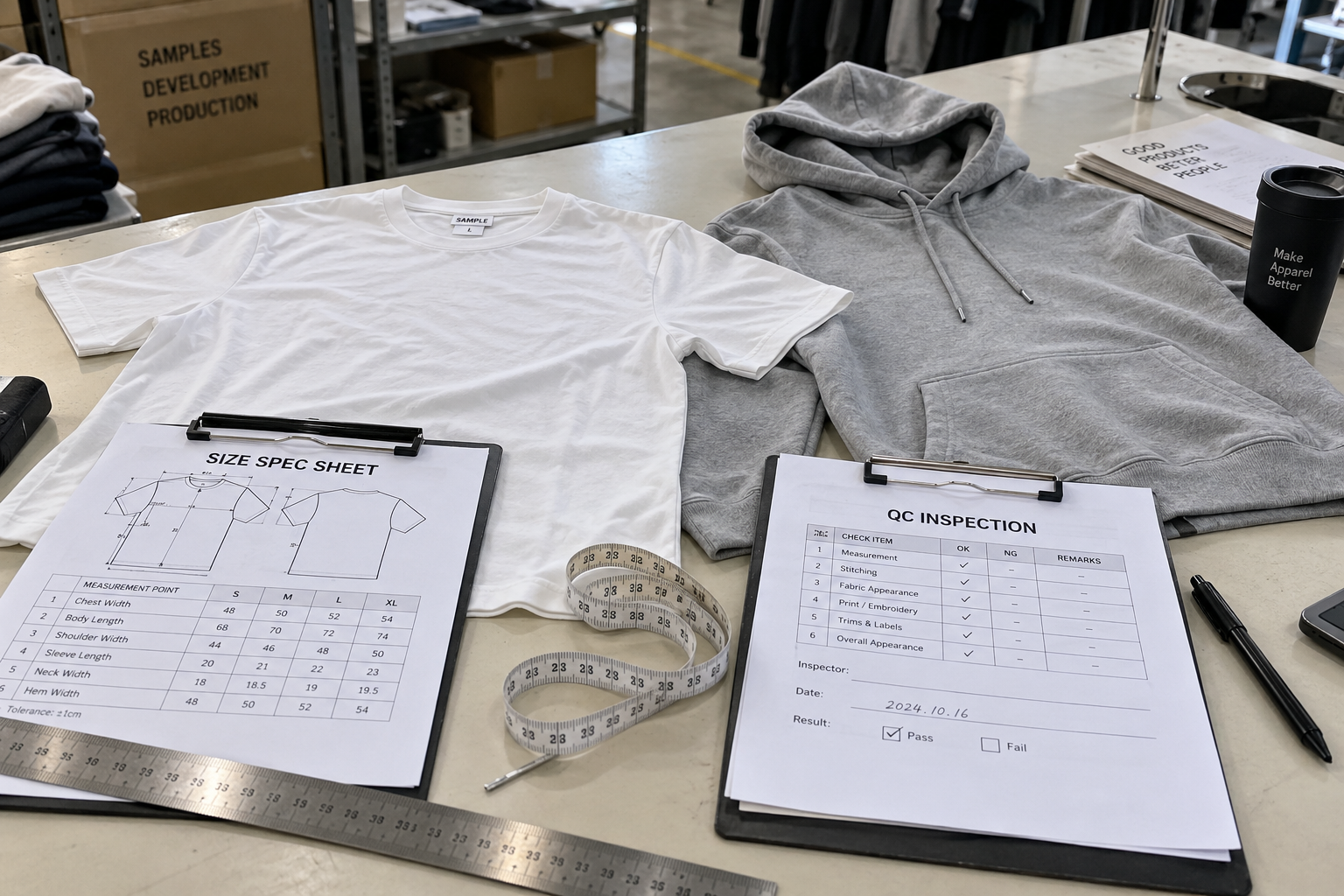
A T-shirt or hoodie can look good in photos but still fit wrong. This guide explains how brands should prepare size specs, measurements, tolerance, shrinkage notes, and sample approval before production.
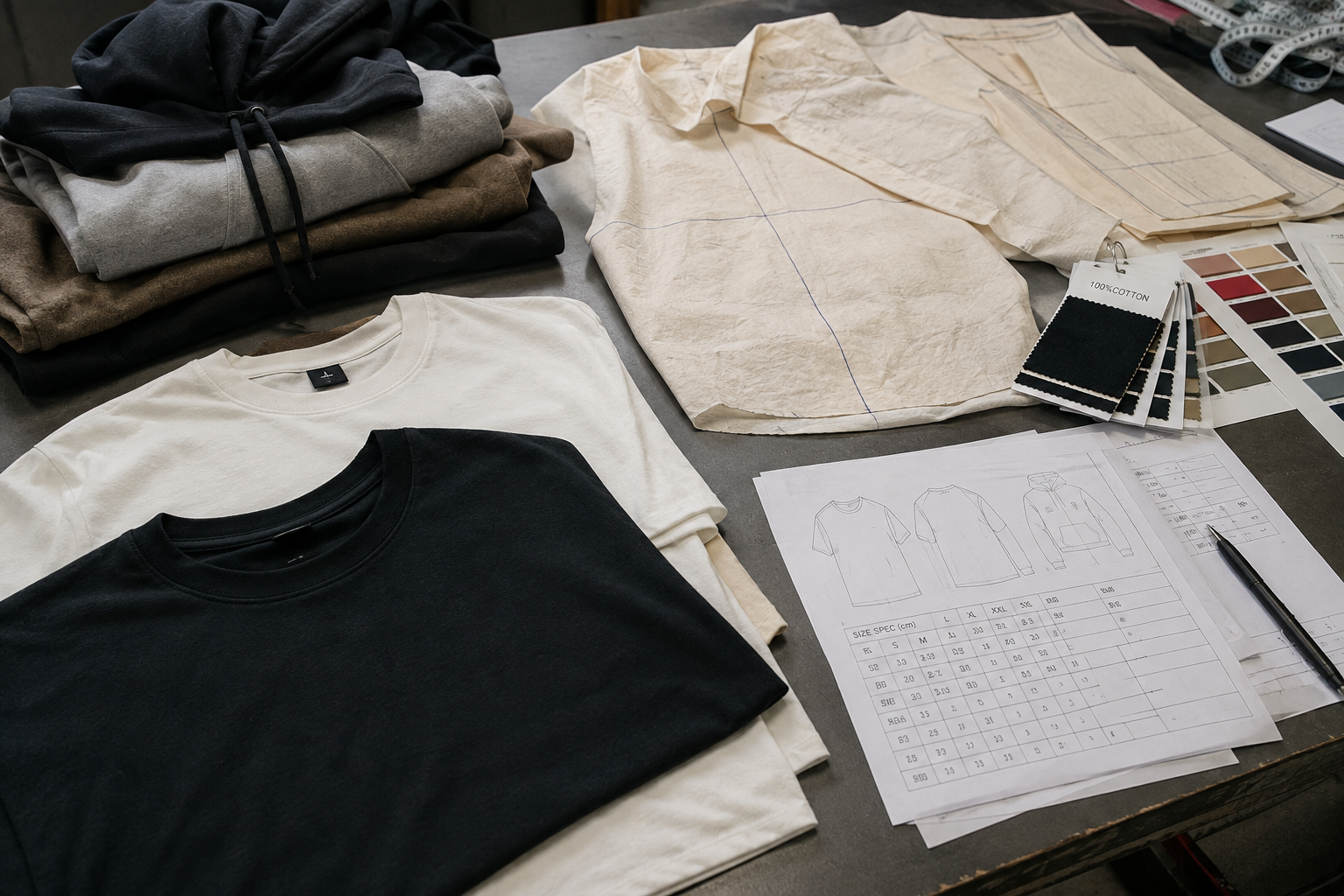
Some brands should start with stock blanks, while others need full cut-and-sew from the beginning. This guide explains how to choose based on MOQ, cost, fit, fabric, timeline, QC, and reorders.
 You Can Find Us Here
 Room 5/F-11,Block A Wantong International Square Liwan District,Guangzhou.
Quick Links
Services
Contact Us

Founded in 2001, UNIT-100 is a custom clothing manufacturer, specializing in high-quality T-shirts, hoodies, and other knitwear.
Copyright © 2026 UNIT-100 · Privacy policy |Sitemap