

How to Choose a Private Label Clothing Manufacturer in China
Before launching a clothing brand, one of the most important decisions is finding the right production partner. The clothing manufacturer you choose for your private-label products can affect everything from quality and price to timelines and customer satisfaction.
China remains a popular choice for founders who want quality garments at competitive prices. Many new brand owners turn to private label clothing manufacturers without knowing what to evaluate first. The wrong factory can lead to costly delays, quality control issues, and wasted budgets.
The right manufacturing partner can turn a small-business idea into a successful fashion brand. Understanding the Chinese clothing manufacturing market is essential before you start. This guide explains what you should consider before signing a contract with a clothing factory.
Why Choose a Private Label Clothing Manufacturer in China
China built its reputation on scale and skill. Factories here produce everything from basic tees to complex outerwear. A private label apparel manufacturer in this region often has decades of experience. That experience shows up in stitching quality and fabric sourcing.
What makes Chinese factories such a strong choice for private label brands? Several factors stand out.
Key Benefits of Working with Clothing Manufacturers in China
Working with an established factory brings real advantages. Consider these points before you choose a partner.
- Lower production costs compared to many Western countries.
- Access to a wide range of fabrics and trims.
- Faster turnaround on sampling and bulk orders.
- Skilled labor with strong technical garment knowledge.
- Flexible minimum order quantities for new brands.
These advantages explain why many international brands still produce clothing in China. China has much of its clothing supply chain concentrated in the same regions. Fabric mills, dye houses, and sewing factories are often located close to one another, which can shorten lead times and reduce shipping costs between production stages.
What Makes a Strong Private Label Apparel Manufacturer
Not every factory delivers the same level of service. A strong private label apparel manufacturer does more than sew clothes. They guide you through fabric choices, sizing, and finishing details. They also test samples before mass production begins.
Good manufacturers treat your brand like their own. They flag problems early and offer solutions instead of excuses. This kind of partnership saves founders from costly mistakes later.
Let us break down the specific services that separate great manufacturers from average ones.
Core Services Offered by Top Clothing Manufacturer China Partners
A capable clothing manufacturer China based should offer full service support. Here is what to expect from a serious production partner.
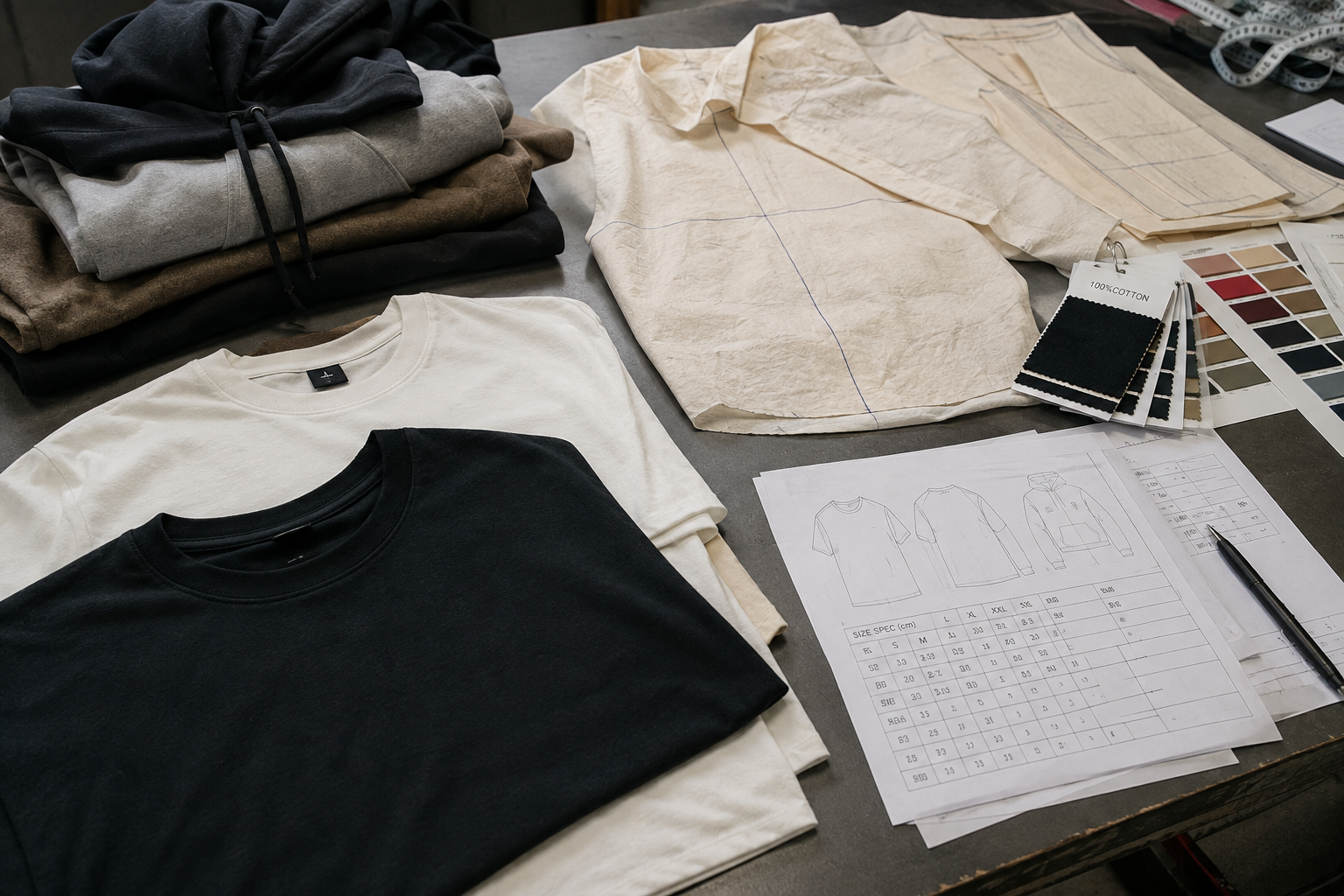
- Custom pattern making based on your designs.
- Fabric sourcing including organic and recycled options.
- Sample development with revision rounds.
- Screen printing, embroidery, and label attachment.
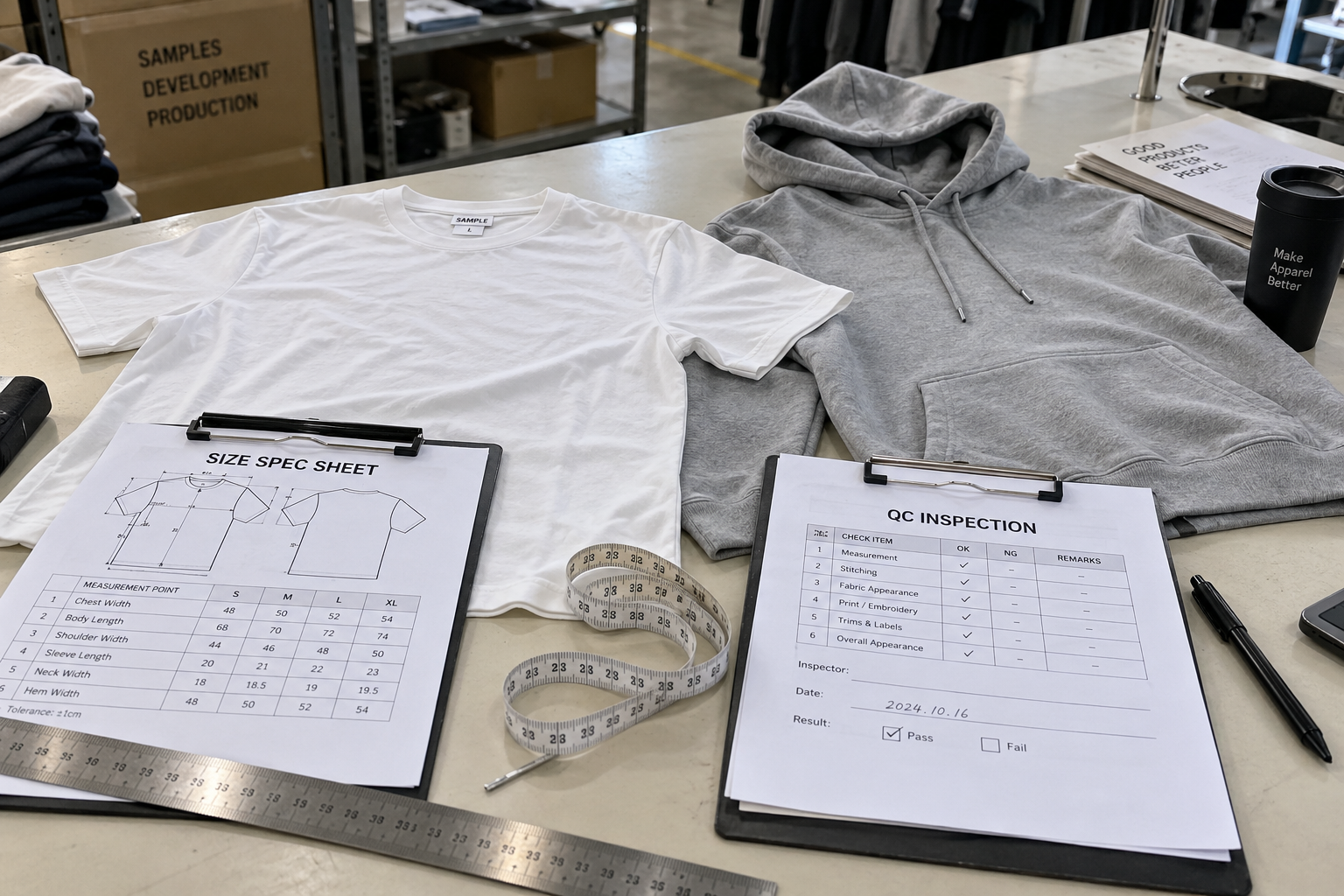
- Quality control checks before shipment.
- Packaging design and folding services.
When a factory offers these services under one contract, your workflow becomes simple. You avoid juggling multiple vendors across different cities. This single point of contact model saves both time and stress.
How to Choose the Right Private Label Clothing Manufacturers
Choosing among many private label clothing manufacturers feels overwhelming at first. Start by narrowing your list based on your product category. A factory skilled in knitwear may not handle denim well. Match their specialty to your product line.
Next, check their communication speed and language skills. Clear communication prevents costly production errors. Ask for their client references and past project photos. A manufacturer confident in their work will share these freely.
Price matters but should never be the only factor. Cheap production often leads to poor stitching or wrong sizing. Balance cost against sample quality and turnaround speed.
This brings us to specific questions every brand should ask before signing anything.
Questions to Ask Before You Sign a Contract
Before committing to any factory, ask these direct questions.
- What is your minimum order quantity per style?
- How long does sampling usually take?
- Do you offer fabric testing reports?
- What payment terms do you require?
- Can you share recent client testimonials?
- How do you handle defective units?
Answers to these questions reveal how professional a factory really is. A manufacturer that answers clearly and quickly is worth pursuing further. One that dodges questions may cause problems down the road.
Common Mistakes Brands Make with Overseas Production
Many first time brand owners rush into contracts without proper research. This section highlights common errors so you can avoid them.
- Skipping the sample stage to save time.
- Ignoring fabric composition and care labels.
- Not confirming shipping and customs costs upfront.
- Choosing the cheapest quote without checking quality.
- Failing to sign a clear production agreement.
Avoiding these mistakes protects your budget and your brand reputation. Every successful label learned these lessons early. Learning from others saves you the hard way.
Sustainability in Private Label Clothing Manufacturing
There is an increasing number of brands that ask about sustainable practices in production. An eco-friendly fabric selection should be available for a modern private label clothing manufacturer. Organic cotton, recycled polyester, and low impact dyes are popular today.
The sustainable approach to production does not necessarily have to be more expensive. There are a number of mills that now sell at competitive rates on more environmentally friendly materials. Inquire about certifications such as GOTS or OEKO-TEX from your manufacturer. These certifications are a sign of fabric safety and environmental standards.
People are becoming more and more conscious about the sources of their clothes. Ethical production brands tend to create more loyal customers. This is a good business decision as well as the right moral one.
Fabric Sourcing and Sample Development Explained
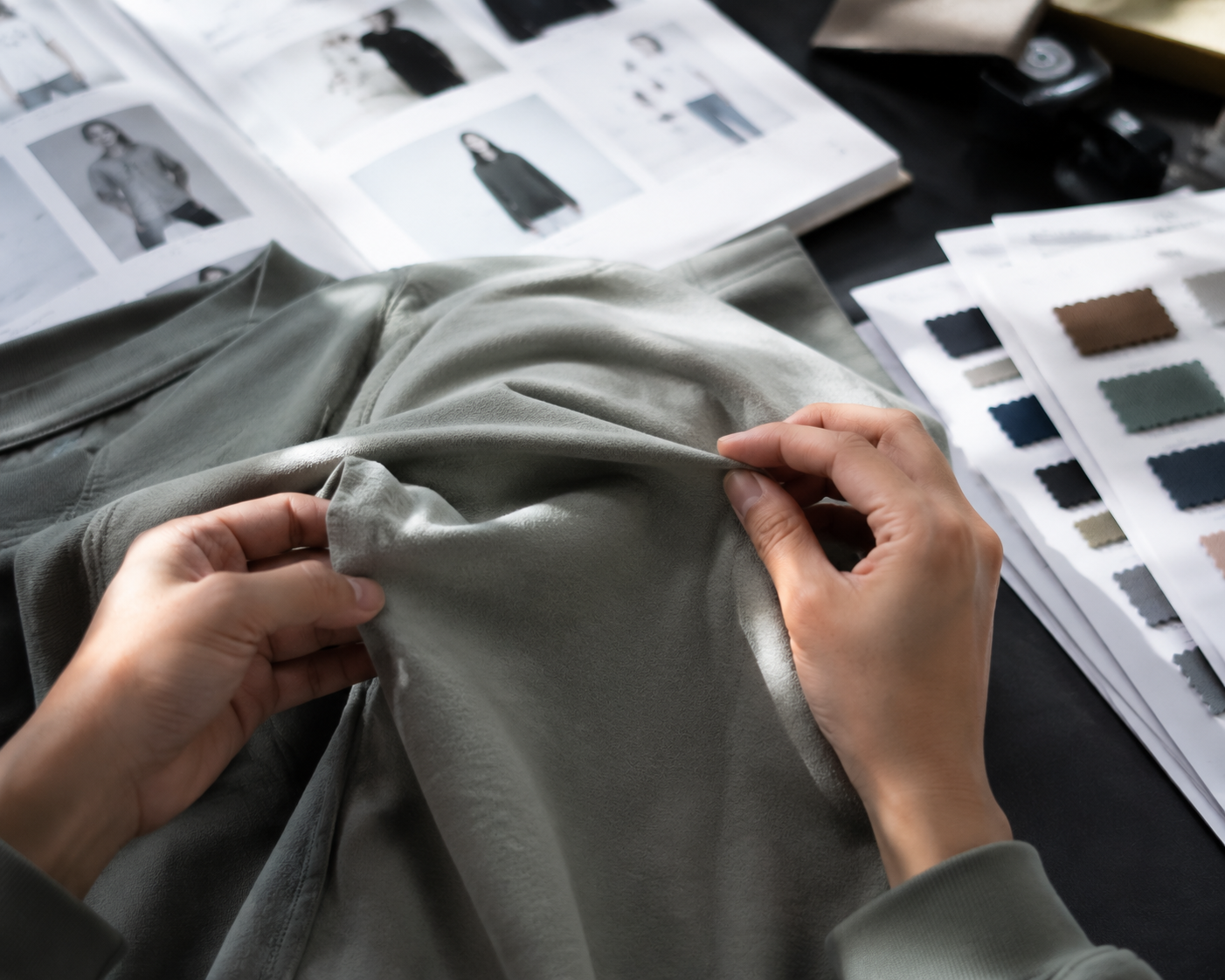
Fabric choice can make or break a garment. A cheap fabric may be easy to sew but can start pilling after just a few washes. A great manufacturer walks you through swatches before anything goes into production. They explain weight, stretch, and washing behavior in plain terms.
Sample rounds are where the real work happens. Your first sample rarely matches your vision perfectly. Maybe the sleeve sits wrong or the color runs slightly off. A good factory expects this and builds revision time into the schedule.
Most brands need two or three sample rounds before approval. Rushing past this stage almost always shows up later in bulk orders. Patience here saves headaches once thousands of units are already cut and sewn.
What Happens During a Sample Round
Here is a rough breakdown of what to expect at this stage.
- Initial sample based on your tech pack or reference photo.
- Fit check and measurement review against your size chart.
- Fabric and color approval under natural light.
- Revision requests sent back with clear notes.
- Final sample signed off before bulk cutting begins.
Bring your own measurements if possible rather than relying only on standard sizing charts. Bodies and markets differ across regions. A size medium in one country can fit differently elsewhere. Flagging this early prevents fit complaints once customers start ordering.
Timeline Expectations for Private Label Production
Production timelines vary based on order complexity and fabric availability. A simple T-shirt order may ship within three weeks. Complex outerwear with multiple components can take six to eight weeks.
Always build buffer time into your launch schedule. Shipping delays and customs holds happen even with reliable factories. Planning prevents last-minute stress before a product launch.
Ask your clothing manufacturing partner in China for a written production schedule. This calendar should include sampling, cutting, sewing, and shipping dates. Clear timelines keep both sides accountable throughout the process.
A Trusted Manufacturer for Private Label Apparel
UNIT-100 stands out among private label clothing manufacturers today. Our team combines modern equipment with experienced pattern makers. We support brands from first sketch to final shipment.
Brands work with us because we give small businesses the same care and service as larger brands. Every order gets proper attention regardless of size. This approach builds long-lasting partnerships instead of one-time transactions.
Why Global Brands Partner with UNIT-100 for Clothing Manufacturing
Here is what sets our process apart from typical factories.
- Dedicated account manager for every client.
- Transparent pricing with no hidden fees.
- In-house sampling for faster feedback.
- Strict quality control at every production stage.
- Support for small and large order volumes.
- Sustainable fabric options available on request.
Our clients find the manufacturing process more straightforward and less stressful than expected. Clear timelines, regular updates, and honest communication help keep every stage on track. This level of transparency gives clients greater confidence and is an area where many factories fall short.
Building a Long Term Relationship with Your Manufacturer
A single successful order is only the beginning. The best brands create long-term connections with their private label apparel manufacturer. Repeat orders mean reduced pricing and quicker turnaround.
Regular communication keeps both sides aligned on goals. Share your sales data and upcoming design plans when possible. This helps your manufacturer plan capacity and materials ahead of time.
Trust grows through consistent quality and honest feedback. When issues happen, address them quickly and calmly. Strong partnerships survive occasional problems when both sides communicate openly.
UNIT-100 views every client relationship as a long term investment. We aim to grow alongside the brands we support. This mindset shapes how we handle every order, big or small.
Final Thoughts
Selecting a private label clothing manufacturer shapes your brand for years to come. Take time to research, communicate clearly, and test samples properly. Rushing this decision often leads to costly setbacks later.
China continues to offer strong value for brands seeking quality and scale. The right factory partner becomes an extension of your team. They help turn your creative vision into real wearable products.
Looking for a partner to create your own clothing line? Check out UNIT-100 today and begin creating the perfect apparel project.
Our team is here to help you take your idea from concept to completion.


 You Can Find Us Here