

Most clothing brands do not need the same production route on day one. Some brands should start with stock blanks, add a print, test the market, and learn what customers actually buy. Other brands already know they need custom fabric, custom fit, washing, labels, packaging, and a product that does not look like a standard blank.
The problem is that many brands choose the route too early. They ask for full custom production when they only need a first test. Or they stay with blanks for too long, even when the fit, fabric, and product identity no longer match the brand.
Stock blanks and cut-and-sew custom apparel can both work. The right choice depends on the brand stage, order quantity, target price, product complexity, timeline, and how much control the brand needs over fabric, fit, color, labels, packaging, and reorders.
Quick Answer
Stock blanks are better for testing artwork, small drops, faster launches, and lower development risk. Cut-and-sew custom apparel is better when a brand needs custom fabric, GSM, fit, size spec, construction, washing, trims, labels, packaging, and long-term product control.
A practical decision should compare at least 10 data points: MOQ, sample time, unit cost, fabric control, fit control, color control, decoration method, label and packaging needs, QC risk, and reorder consistency.
For many new brands, the safest path is not “always blanks” or “always full custom.” A brand can start with blanks to test demand, then move into cut-and-sew once the product direction is proven.
Why This Production Choice Matters
The production route affects nearly every part of the order. It changes the sample process, MOQ, cost structure, timeline, fabric options, printing method, label setup, QC standard, and reorder risk.
If a brand chooses stock blanks, the factory can often move faster because the garment already exists. The brand mainly needs to approve blank style, color, size range, decoration, labels, packaging, and packing method.
If a brand chooses cut-and-sew, the factory is building more of the product from the beginning. Fabric, pattern, fit, size grading, construction, shrinkage, trims, sewing, finishing, labels, and QC all need clearer approval.
Factory Note: The wrong route can create unnecessary cost. A simple logo test does not always need full custom production, and a serious premium streetwear product should not always rely on a standard blank.
Stock Blanks vs Cut-and-Sew: Data Comparison
The table below gives a practical factory-side comparison. The exact numbers depend on product type, fabric, decoration, labels, packaging, and factory capacity, but the logic is useful for most custom apparel projects.
| Decision Area | Stock Blanks | Cut-and-Sew Custom |
|---|---|---|
| Best Use | Logo test, first drop, small batch, faster launch | Custom fit, premium product, unique fabric, full private label |
| Development Risk | Lower, because garment already exists | Higher, because fabric, pattern, fit, and construction need approval |
| Fabric Control | Limited to available blank options | Brand can choose fabric composition, GSM, hand feel, surface, and finishing |
| Fit Control | Limited to existing blank pattern | Pattern can be adjusted for oversized, boxy, cropped, relaxed, or custom fit |
| Color Control | Limited to stock color availability | Lab dip, bulk fabric color, garment dye, pigment dye, or custom washing possible |
| MOQ Pressure | Usually easier for smaller test runs | Usually higher because fabric, cutting, trims, and sewing setup are involved |
| Sample Time | Often faster if blank is available | Longer because pattern, fabric, sewing, and revision may be needed |
| Unit Cost | Can be easier for small orders, but less product control | Can be higher at small quantity, but more control and better long-term identity |
| Decoration | Print, embroidery, heat transfer, labels, packaging | Print, embroidery, wash, trims, construction details, labels, packaging |
| QC Focus | Blank quality, decoration, labels, packing | Fabric, pattern, measurement, sewing, decoration, washing, labels, packing |
| Reorder Risk | Blank availability and color availability may change | More repeatable if fabric, pattern, color, and QC records are saved |
For a first product test, blanks can be practical. For a brand building a recognizable product standard, cut-and-sew usually gives more long-term control.
What Stock Blanks Are Good For
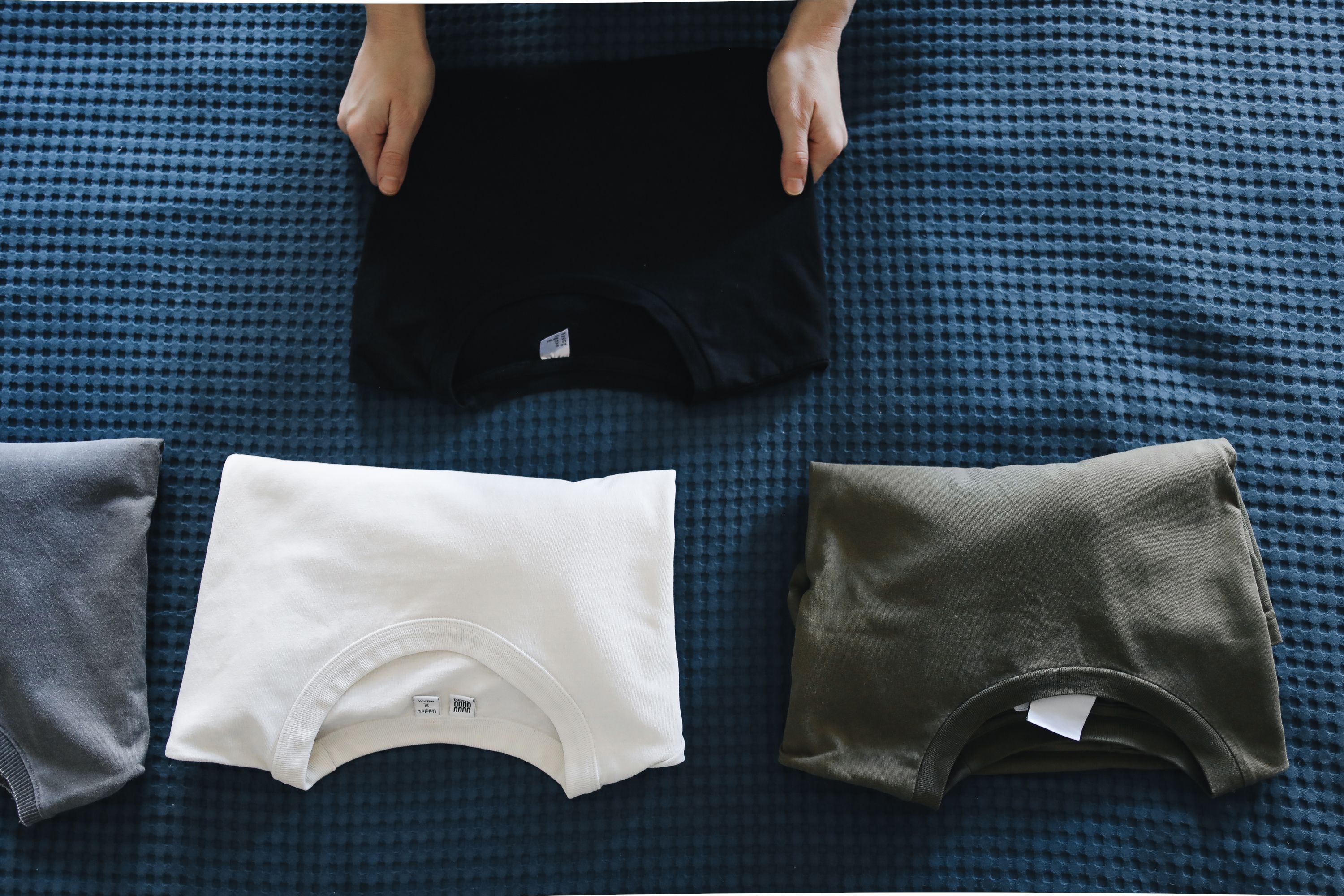
Stock blanks are ready-made garments that can be decorated or branded. They are useful when the brand wants to move fast, test a logo, test a graphic, or launch a smaller drop without building a full garment from scratch.
For example, a brand may choose a blank T-shirt or hoodie, approve the color and size range, then add screen printing, DTF, embroidery, hang tags, poly bags, and carton marks.
The limitation is control. If the blank fit is not right, the brand cannot fully change the pattern. If the fabric hand feel is not right, the brand is limited by available blank options. If the stock color is discontinued, the reorder may become harder.
Factory Note: Stock blanks are useful for testing demand. They are not always the best choice for building a unique long-term product identity.
Stock Blanks with Printing or Embroidery
Stock blanks are often paired with simple decoration: screen printing, DTF, embroidery, puff print, or heat transfer. This route is helpful when the brand mainly wants to test artwork and customer response.
The biggest risk is assuming the artwork will behave the same on every blank. Fabric surface, washing, GSM, rib, and color can affect print hand feel, embroidery puckering, puff height, and durability.
| Decoration Data | What to Confirm |
|---|---|
| Artwork Size | Width, height, and visual balance on the blank garment. |
| Placement | Front, back, sleeve, hood, pants leg, pocket, or label position. |
| Color | Pantone, thread color, ink color, or physical strike-off. |
| Technique | Screen print, DTF, embroidery, puff print, patch, or mixed process. |
| Durability | Wash test, rubbing, cracking, peeling, embroidery puckering. |
Private Label Upgrades on Stock Blanks
A stock blank can still become a more serious branded product if the private label details are handled well. This may include neck label, size label, care label, hang tag, barcode sticker, poly bag, carton mark, and packing method.
This route is common for early-stage brands that want better presentation but are not ready for full custom fabric and pattern development.
The brand should still prepare label artwork, care label content, hang tag files, barcode data, packing instructions, and carton mark details before production reaches packing.
What Cut-and-Sew Custom Production Controls
Cut-and-sew custom production gives the brand more control. The factory can develop the pattern, choose the fabric, adjust fit, set measurement tolerance, add special construction, apply washing, and build the private label system from the start.
This route is better when the brand wants a product that cannot be achieved with a standard blank. For example, an oversized 280 GSM boxy T-shirt, a 450 GSM washed hoodie, wide-leg sweatpants, or a full matching set may need custom pattern and fabric decisions.
| Custom Area | What the Brand Can Control |
|---|---|
| Pattern | Body length, chest, shoulder, sleeve, hood, waist, inseam, leg opening. |
| Fabric | Composition, GSM, yarn, knit structure, hand feel, brushing, washing. |
| Construction | Neck rib, cuff, hem, pocket, hood, waistband, drawcord, seam details. |
| Fit | Regular, oversized, boxy, cropped, relaxed, tapered, wide-leg. |
| Branding | Labels, hang tags, care labels, poly bags, carton marks, packaging. |
| QC | Measurement tolerance, stitching, shrinkage, decoration, packing standard. |
Fabric, GSM, and Hand Feel Control
One of the biggest differences between blanks and cut-and-sew is fabric control. With blanks, the fabric has already been chosen. With cut-and-sew, the brand can choose the fabric direction before production starts.
This matters because two garments with the same style can feel very different depending on fabric composition, GSM, yarn, knit structure, washing, brushing, and finishing.
| Fabric Decision | Stock Blank | Cut-and-Sew Custom |
|---|---|---|
| GSM | Limited to available blank styles | Can be selected for the product direction |
| Hand Feel | Already fixed by blank supplier | Can be adjusted by yarn, finishing, washing, and fabric choice |
| Color | Limited to stock color range | Can use lab dip, bulk dyeing, garment dye, or wash range |
| Shrinkage | Depends on blank supplier control | Can be checked during fabric and sample approval |
| Reorder | Depends on blank availability | Can be repeated from saved fabric and pattern records |
Sampling and Approval Risk
Stock blanks usually have fewer sampling variables. The brand can check blank fit, fabric, decoration, labels, and packing. Cut-and-sew samples have more variables because the factory is developing more of the product.
That does not mean cut-and-sew is worse. It simply means the approval process must be more serious. The sample should be measured, checked, worn, washed if needed, and used as the production reference.
| Sample Check | Stock Blank | Cut-and-Sew Custom |
|---|---|---|
| Fit | Choose best available blank fit | Develop and adjust pattern |
| Fabric | Approve existing blank fabric | Approve swatch, GSM, hand feel, and bulk fabric |
| Decoration | Approve print or embroidery on blank | Approve decoration on final production fabric |
| Labels | Add or replace private label details | Plan labels into the garment construction |
| Washing | Limited or post-process only | Can be part of product development |
Washing, Shrinkage, and Fit Stability
Washing and shrinkage matter for both routes. A stock blank may still shrink after customer laundering. A cut-and-sew garment may change after garment dye, pigment dye, acid wash, enzyme wash, or home washing.
AATCC TM135 is used to determine dimensional changes of fabrics after home laundering. ISO 6330 specifies domestic washing and drying procedures for textile testing. These references are useful because a brand should not approve fit only from a fresh, unwashed sample.
| Wash Data | What to Track |
|---|---|
| Before-Wash Measurement | Body length, chest, shoulder, sleeve, waist, inseam, leg opening. |
| After-Wash Measurement | Same points after laundering or garment washing. |
| Shrinkage Percentage | Change from before wash to after wash. |
| Shade Range | Light / standard / dark range for washed garments. |
| Hand Feel Change | Softness, surface, brushing, stiffness, drape. |
| Fit Stability | Whether the garment still matches the approved fit direction. |
Cost, MOQ, and Timeline Differences
Stock blanks are often faster because the garment is already made. Cut-and-sew requires more steps: fabric sourcing, pattern, sample, revision, cutting, sewing, finishing, decoration, QC, and packing.
This is why a stock blank route can be better for a first test, while cut-and-sew makes more sense when the brand has stronger product requirements.
| Project Area | Stock Blank Route | Cut-and-Sew Route |
|---|---|---|
| Speed | Faster if blank is available | Longer because development is needed |
| MOQ | Usually easier for small tests | Usually higher because of fabric and production setup |
| Unit Cost | Can be more predictable for small orders | Can be higher at low quantity, but better for unique product value |
| Sample Risk | Mainly decoration and label approval | Fabric, fit, construction, shrinkage, decoration, and labels |
| Brand Control | Lower | Higher |
| Reorder Control | Depends on blank availability | Depends on saved fabric, pattern, sample, and QC records |
Factory Note: A lower starting cost is not always the better route. The right route is the one that matches the brand’s stage and product goal.
QC and Bulk Production Control
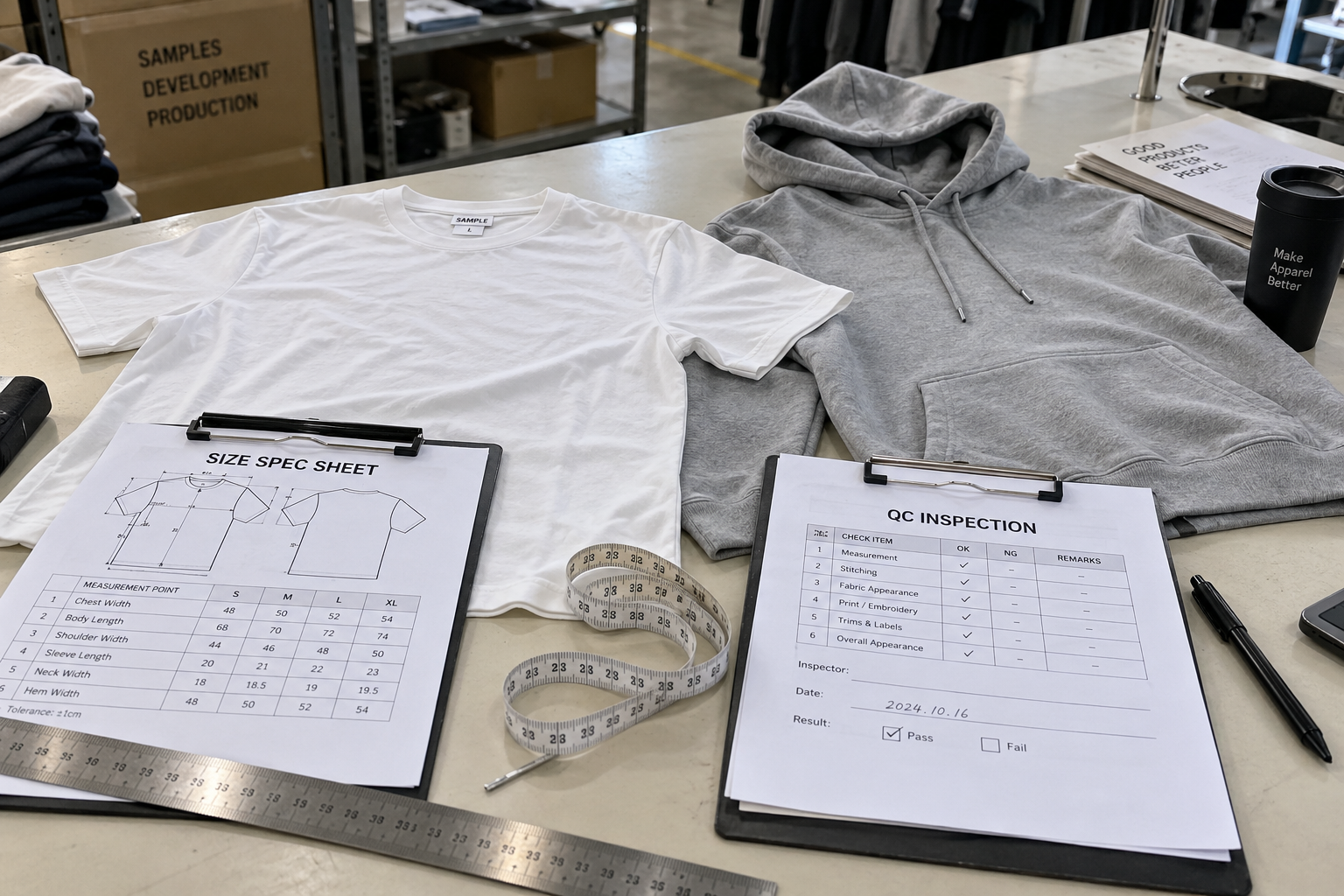
QC is different for stock blanks and cut-and-sew. For blanks, the factory should check blank defects, decoration, label placement, packing, and final presentation. For cut-and-sew, QC starts earlier: fabric inspection, cutting, sewing, measurement, shrinkage, decoration, washing, labels, and packing.
AQL inspection can help define acceptable defect levels in sampled batches. It is useful for final inspection, but it does not replace sample approval and production standards.
| QC Area | Stock Blank | Cut-and-Sew Custom |
|---|---|---|
| Fabric | Check blank defects, stains, shade | Check fabric roll, GSM, shade, shrinkage, hand feel |
| Measurement | Check blank size consistency | Check size spec, tolerance, grading, after-wash measurement |
| Sewing | Mostly already completed | Inline sewing QC and final construction check |
| Decoration | Print, embroidery, transfer, label position | Decoration plus construction and fabric compatibility |
| Packing | Poly bag, hang tag, barcode, carton | Full private label packing and carton control |
Reorder Consistency
Reorder consistency is where the production route becomes important. With stock blanks, the risk is whether the same blank style, color, fabric, and size range are still available. With cut-and-sew, the risk is whether the factory kept enough records to repeat the same product.
A good reorder file should include the approved sample, fabric swatch, GSM record, color reference, size spec, pattern notes, print strike-off, embroidery reference, label files, packing standard, and QC notes.
| Reorder Reference | Why It Helps |
|---|---|
| Approved garment sample | Shows the real production standard. |
| Fabric swatch and GSM | Helps repeat fabric weight and hand feel. |
| Color reference | Helps control shade consistency. |
| Size spec and tolerance | Prevents fit drift across production runs. |
| Artwork and strike-off | Helps repeat print or embroidery placement and texture. |
| Label and packaging files | Helps repeat private label presentation. |
| QC notes | Records what should be watched or improved next time. |
UNIT-100 can help review whether your project should start with stock blanks, private label blanks, or cut-and-sew custom production based on fabric, fit, MOQ, timeline, artwork, labels, QC, and reorder goals.
Talk to UNIT-100Brand Checklist Before Choosing a Route
Before choosing stock blanks or cut-and-sew production, brands should check what they really need to control.
- Decide whether this is a market test or a long-term product standard.
- Check whether existing blanks already match your fit and fabric expectations.
- Confirm whether custom GSM, color, washing, or fabric hand feel is required.
- Confirm whether the brand needs unique pattern and size grading.
- Check artwork method: screen print, DTF, embroidery, puff print, or mixed process.
- Decide whether private labels, hang tags, barcode stickers, and packaging are needed.
- Confirm MOQ and timeline expectations before sampling starts.
- Check whether the product should be repeatable for future reorders.
- Approve physical samples before bulk production.
- Keep approved samples, swatches, artwork files, labels, packing records, and QC notes.
Best Practice: Use stock blanks when speed and testing matter most. Use cut-and-sew when fit, fabric, and product identity matter most.
Frequently Asked Questions
What are stock blanks in apparel production?
Stock blanks are ready-made blank garments, such as T-shirts or hoodies, that can be printed, embroidered, labeled, or packed for a brand without developing a new pattern or fabric from scratch.
What does cut-and-sew custom apparel mean?
Cut-and-sew custom apparel means the garment is made from fabric and pattern according to the brand’s own requirements. It can include custom fit, GSM, fabric, construction, trims, washing, labels, packaging, and QC standards.
Which route is better for a startup clothing brand?
If the startup mainly needs to test artwork or demand, stock blanks can be safer. If the brand needs a unique fit, premium fabric, special washing, or a long-term product identity, cut-and-sew gives more control.
Can I add custom labels to stock blanks?
Yes. Many brands add neck labels, size labels, care labels, hang tags, barcode stickers, and poly bags to stock blanks. This improves brand presentation while keeping development simpler.
When should I move from blanks to cut-and-sew?
Move to cut-and-sew when the blank fit, fabric, color, construction, or quality level no longer matches your brand. It is also useful when you need better reorder consistency and deeper product control.
Sources and References
Conclusion
Stock blanks and cut-and-sew custom apparel are not enemies. They are different production routes for different brand stages.
Stock blanks help brands test faster with lower development risk. Cut-and-sew custom production helps brands control fabric, fit, construction, washing, labels, packaging, QC, and reorders more deeply.
The best decision depends on what your brand needs to control now and what kind of product standard you want to build next. If your brand is deciding between stock blanks, private label blanks, and cut-and-sew custom production, UNIT-100 can help you choose the right route before sampling starts.
Related Articles
Choose the route that matches your brand stage.
Talk with UNIT-100 about stock blanks, private label blanks, cut-and-sew custom apparel, fabric, fit, artwork, labels, packaging, QC, and bulk production planning.
Plan Your Production Route




 You Can Find Us Here