

T-shirt screen printing is a practical option for large orders that use the same design. The printer can use the same setup for the full batch, which helps keep the shirts consistent in terms of colour, print size, and placement.
However, a large T-shirt order can become costly if you overlook small details. A design may look fine on a computer screen but appear different once printed on the shirt. The fabric, ink, colour, print size, and print position can all affect the final result.
Before placing your order, check the shirt fabric and send the final artwork to the printer. Confirm the print colours, size, and position, and ask for a sample first so you can check it in person. This gives you a chance to make changes before printing the full batch.
Taking these steps can help you avoid unexpected costs and maintain consistent quality across your bulk screen-printed T-shirts.

Why Screen Printing Is the Default for Bulk Orders
Screen printing has a large share of the custom T shirt printing market. Coherent Market Insights estimates that screen printing will account for 51.8% of the global market in 2025.
One reason is the cost of large orders. Once the printer prepares the screens, the same design can go on hundreds of shirts. This makes the cost per shirt more reasonable as the order gets bigger.
The process for DTG is different because each shirt is individually printed. For big quantities of the same design, screen printing might be more suitable.
How T-Shirt Screen Printing Works
Screen printing is a good choice for big T-shirt orders because the same design is printed over and over again. After the screens are made, the printer can keep making the same design on every T-shirt in the order. This helps to lower the cost of each shirt if you're buying a lot of them.
The process itself is fairly simple. The design is placed on a fine mesh screen, with a separate screen used for each color. Ink is pushed through the open parts of the mesh and onto the shirt.
After printing, each shirt goes through a curing dryer. Heat dries and sets the ink so the print stays on the fabric during normal washing and use.
What Affects Bulk Screen Printing Costs
Cost per shirt drops as order size grows, but a few other factors move the number just as much.
- Number of colors. Each color needs a separate screen, so a five-color design costs more to set up than a one-color design.
- Order quantity. A larger run spreads that fixed setup cost across more units.
- Print size and placement. A large chest-to-shoulder print uses more ink and a bigger screen than a small left-chest logo.
- Garment fabric. Heavier cotton holds ink differently than blends, which can change the printing approach.
Ask for a quote broken down by these factors. A single flat number hides which lever controls your price.
Screen Printing vs Other Bulk Printing Methods
Screen printing is not always the right fit. The table below shows when another method makes more sense.
| Method | Best For | Cost at Volume | Durability |
|---|---|---|---|
| Screen Printing | Bulk orders, simple color counts | Lowest per unit at high volume | High, holds up over many washes |
| DTG (Direct-to-Garment) | Small runs, photo-realistic designs | Higher per unit, stays flat at any volume | Moderate, fades faster than screen print |
| Heat Transfer | Small runs, multi-color designs on a budget | Moderate | Lower, can crack or peel over time |
| Sublimation | Full-coverage designs on polyester | Moderate to high | High on polyester, poor on cotton |
For a run of a few hundred pieces or more with a simple color count, t-shirt screen printing is usually the most cost-effective option on this list.
Build a Print-Ready File Before You Ask for a Quote
A printer needs clear artwork to give you a reliable quote. A rough sketch or low resolution logo can leave too many details open. Use the same file setup for every quote so you can compare prices fairly.
Your file should include:
- Vector artwork in AI, EPS, or PDF format instead of a JPEG or screenshot.
- Pantone codes for each color so the printer can match the shades correctly.
- Exact print size and placement shown on a shirt mockup.
- Separate color layers when the design uses more than one color.
- Text that meets the printer’s minimum size for clear printing.
A clear artwork file also gives you something to check against when you receive the finished shirts.

Steps to Get Your Bulk Screen Printing Order Right
Follow this sequence to avoid the mismatched colors and cracked ink.
Step 1. Finish the Artwork
Complete the design before sending it to the printer. Count the colors and prepare a vector file. Add the Pantone number for each color so the printer knows the exact shades to use.
Step 2. Get the Full Quote
Send the printer your artwork and order details. Ask for the price based on the number of colors, shirt quantity, and print locations.
Step 3. Check a Physical Sample
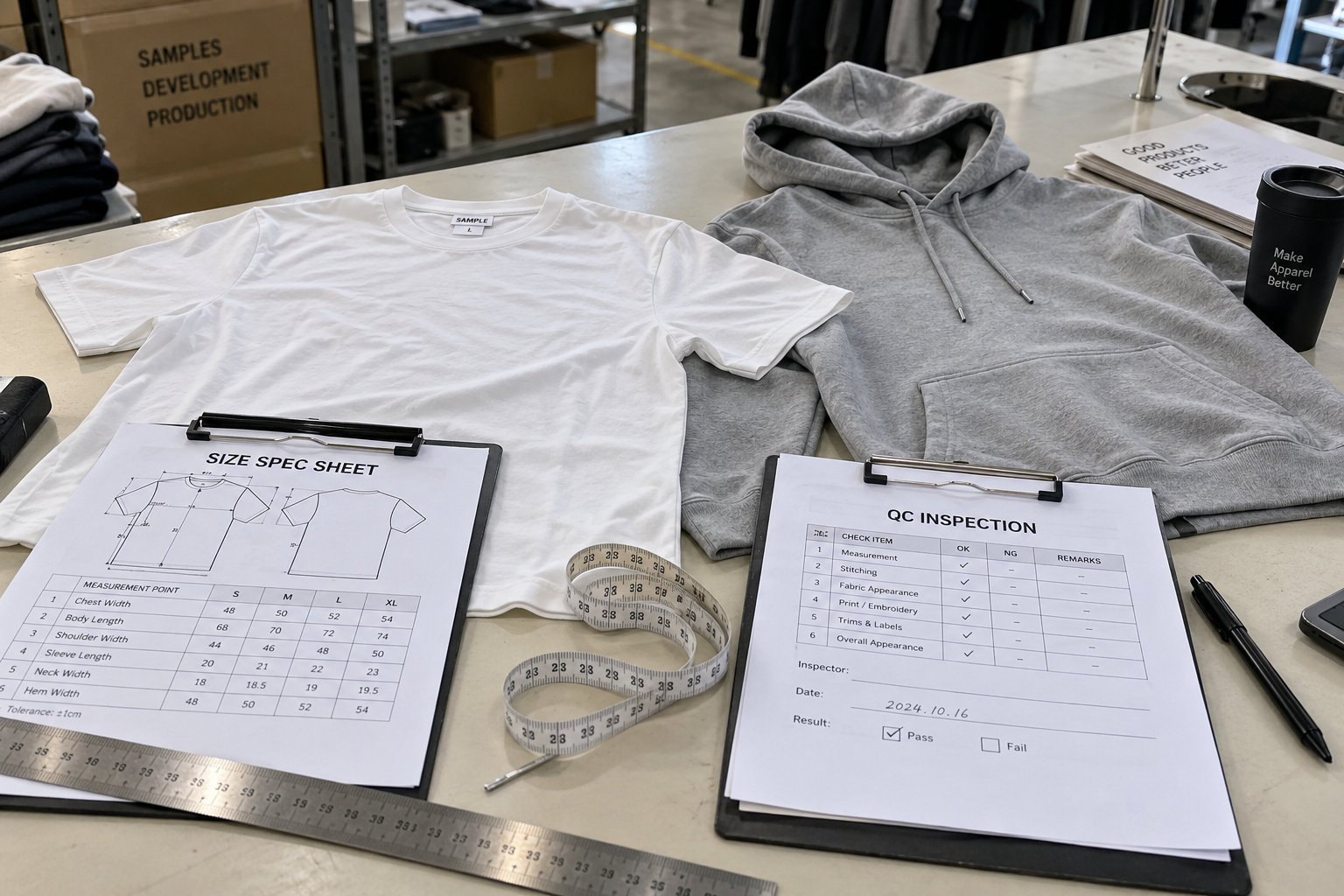
Get one printed shirt before starting the full order. Check the actual color, print size, placement, and ink feel. A digital mockup cannot show these details properly.
Step 4. Set the Production Date
Ask the printer how long the order will take after sample approval. Get the production and shipping dates in writing.
Step 5. Check the Order
When the shirts arrive, compare them with the approved sample. Check the print, colors, placement, sizes, and quantities before accepting the order.
Questions to Ask Before You Place a Bulk Order
A good vendor should answer these questions clearly. If a vendor gives unclear answers, check the details before you place the order.
- Can you send a physical sample before making the full order?
- How do you match Pantone colors?
- What is your minimum order for screen printing?
- How long does production take after you approve the artwork?
- What will you do if some shirts have print defects?
Ask the vendor to confirm these details in writing. Keep the order details and their answers in case a problem comes up later.
Best Fabrics for Bulk Screen Printing
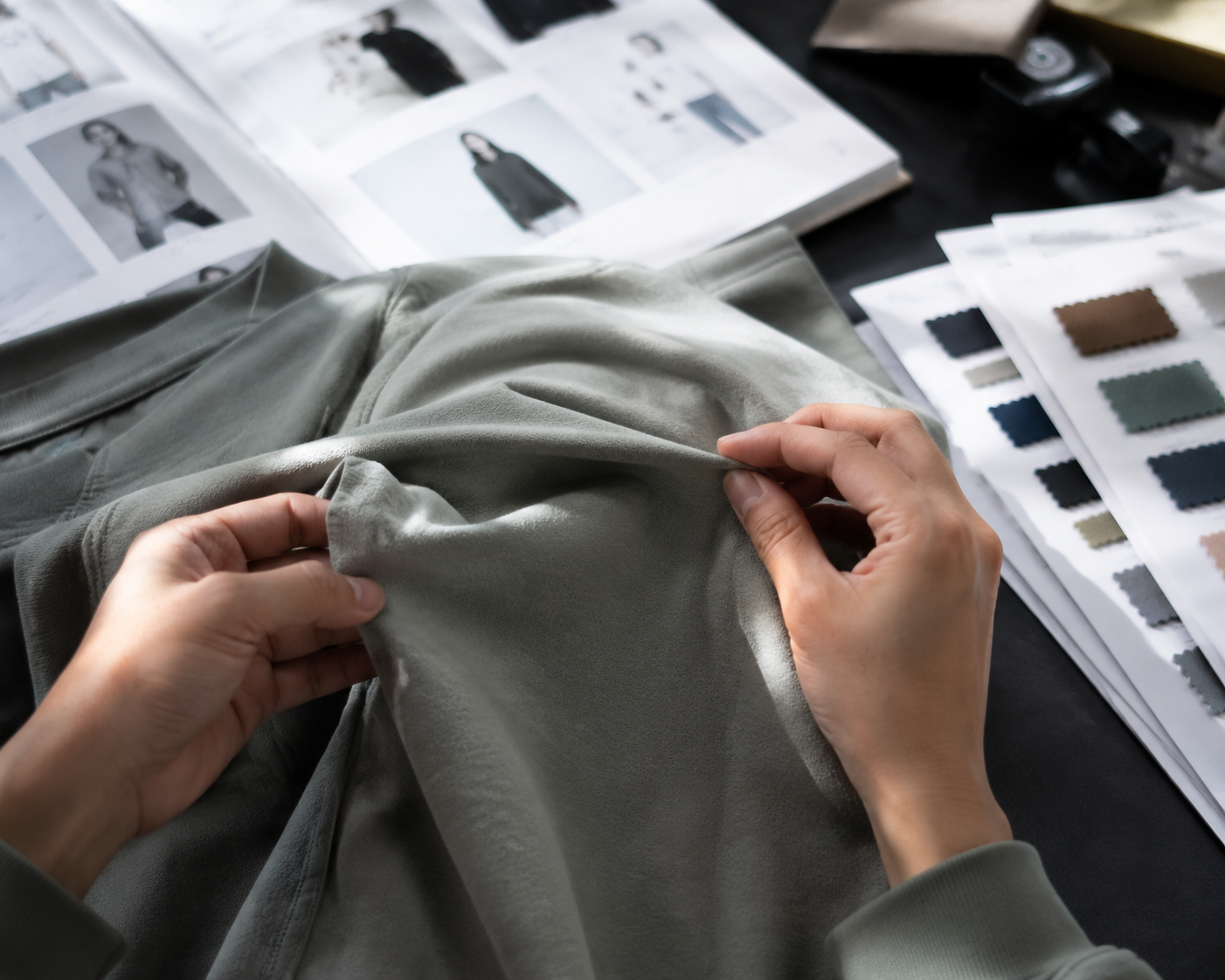
Not every fabric is suitable for screen printing. Different fabrics can give different results. Some absorb ink well, while others need more care during printing.
| Fabric | Why it works | What to watch for |
|---|---|---|
| 100% cotton | Gives strong and clear prints | May shrink after washing |
| Cotton polyester blend | Holds its shape well | May need special ink settings |
| Canvas | Has a firm surface | Works best with simple designs |
| Shopping bags | Good surface for logos | Large prints may need more ink |
| Polyester | Works with suitable inks | Heat can cause ink to bleed |
| Sportswear | Can be printed with suitable methods | Stretch can affect the print |
| Nylon | Can work with the right ink | Needs careful printing and curing |
For large orders, firm fabrics such as cotton are usually easier to print. Sportswear and nylon need more attention during the printing process.
Common Mistakes in Bulk Screen Printing Orders
Most quality problems trace back to a handful of avoidable mistakes.
- Approving a digital mockup instead of a physical pre-production sample
- Choosing too many colors for the budget, then cutting corners elsewhere to compensate
- Sending a low-resolution file and assuming the printer will fix it
- Skipping a written agreement on the reprint or refund policy for defects
- Picking a fabric that was never tested with the chosen print method
Catching these before production starts costs nothing. On the other hand, catching them after the shipment arrives costs the whole order.
How UNIT 100 Handles Screen Printing
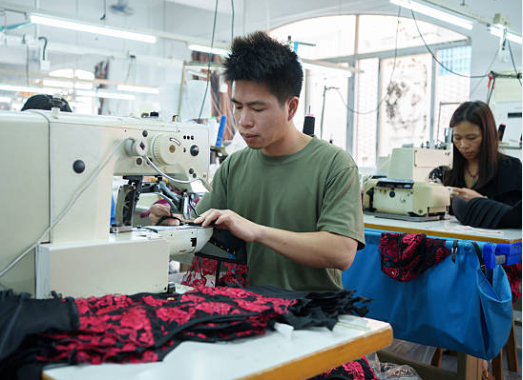
UNIT 100 has operated its own apparel factory in Guangzhou since 2001. Over the years, it has produced more than 500,000 garments.
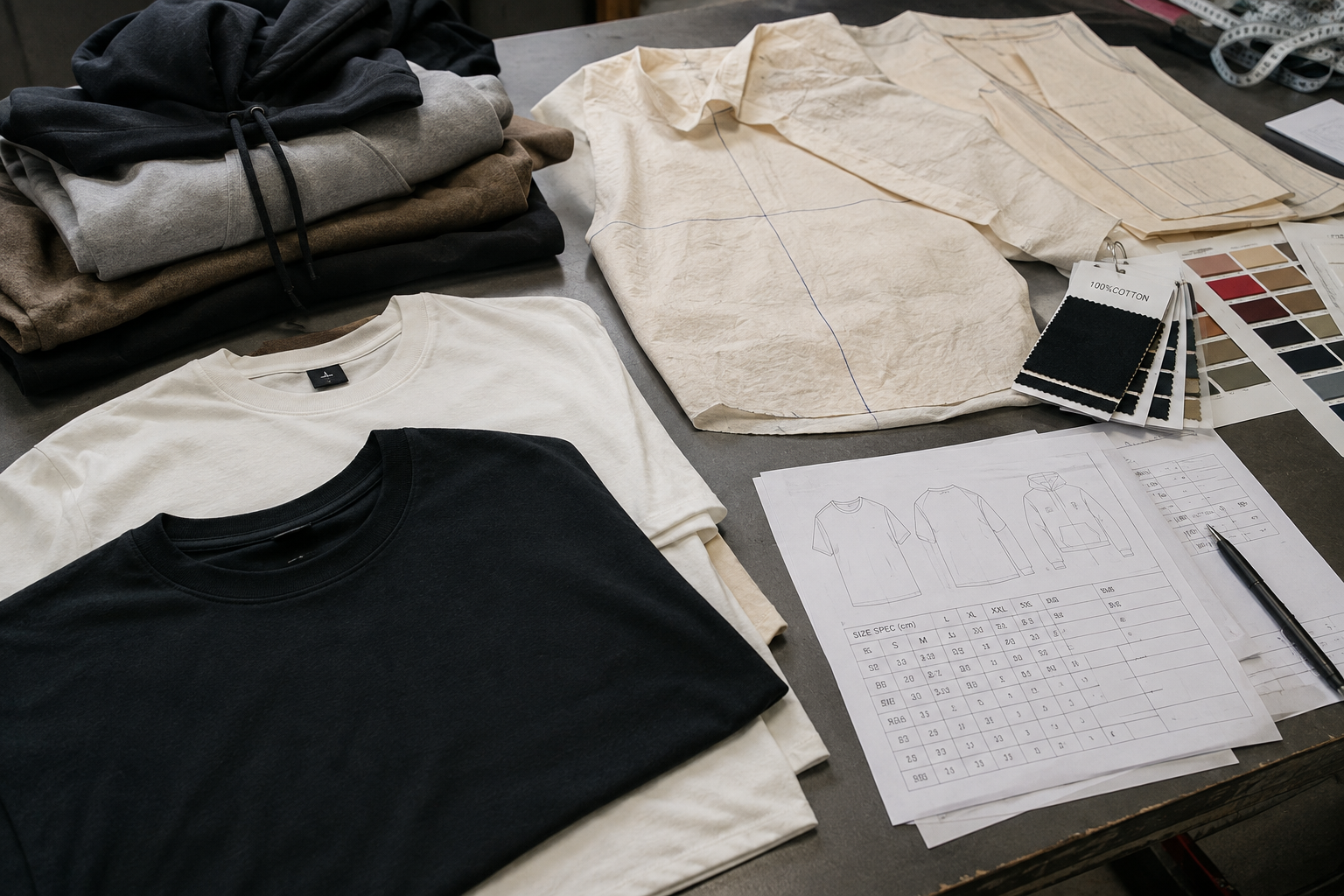
Screen printing is handled in the same factory as garment production and packing. This keeps the main steps in one place instead of sending the shirts to one supplier and the printing to another.
UNIT 100 also offers several other printing methods, including:
- Screen printing for bold and repeat designs
- DTG printing for detailed artwork
- Heat transfer for certain custom designs
- Sublimation printing for suitable fabrics
- Puff printing for a raised finish
For bulk buyers, the company offers:
- Stock based orders starting from 50 pieces
- Fully custom production from 100 pieces per style
- Samples in around 3 to 7 days
- Bulk production in around 7 to 20 working days after sample approval
Buyers can start with ready stock custom T shirts or review the screen printing service before requesting a quote.
FAQs
How many colors can a T shirt screen printing order include?
Most printers can handle up to 6 or 8 colors in one design. More colors mean more screens and higher setup costs.
What is the minimum order for bulk screen printed T shirts?
Minimum order sizes vary by printer. UNIT 100 starts custom orders at 100 pieces per style.
Is screen printing more durable than DTG printing?
In most cases, yes. Screen printing can hold up well through regular washing when the printer cures the ink properly.
Should I request a physical sample before a bulk order?
Yes. A sample lets you check the real ink color, print feel, size, and placement before you approve the full order.
Get Your Bulk Order Quoted Properly
Before you order hundreds of T shirts, make sure the printer has all the details. Send the final artwork, shirt type, number of shirts, print colors, and print size. This gives the printer enough information to work out the cost.
Look at the color, print size, position, and how the ink feels on the shirt. Fix any issues at this stage instead of finding them after the whole batch is printed.
You should also ask the printer about the minimum order, sample time, production time, and delivery date. Find out how they handle shirts with print defects too.
Contact UNIT-100 for a quote based on your design, quantity, and target turnaround time.
Ready to Plan Your Bulk Order?
Send your artwork, quantity and target turnaround time to UNIT-100.
Request a Quote


 You Can Find Us Here