

A sweatpants sample can look right on the table and still feel wrong when worn. The waistband may be too tight, the ankle cuff may pull unevenly, or the leg may end up shorter after washing. Put the relaxed and stretched measurements in the size specification, then test the chosen fabric and construction before bulk production.
Decide whether the leg is straight or tapered
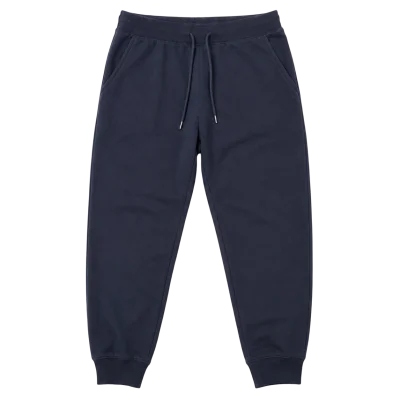
Straight and wide-leg sweatpants fall open at the hem. Joggers narrow toward a gathered ankle cuff. If you want a taper, specify both the thigh width and the leg opening for each size. The difference between those measurements helps set the shape of the leg.
Try the sample on. A narrow opening can make the jogger look sharp while making it difficult to pull over the foot. A wide opening can soften the taper you wanted. The fabric's drape changes the result as well.
Choose fabric for the leg shape
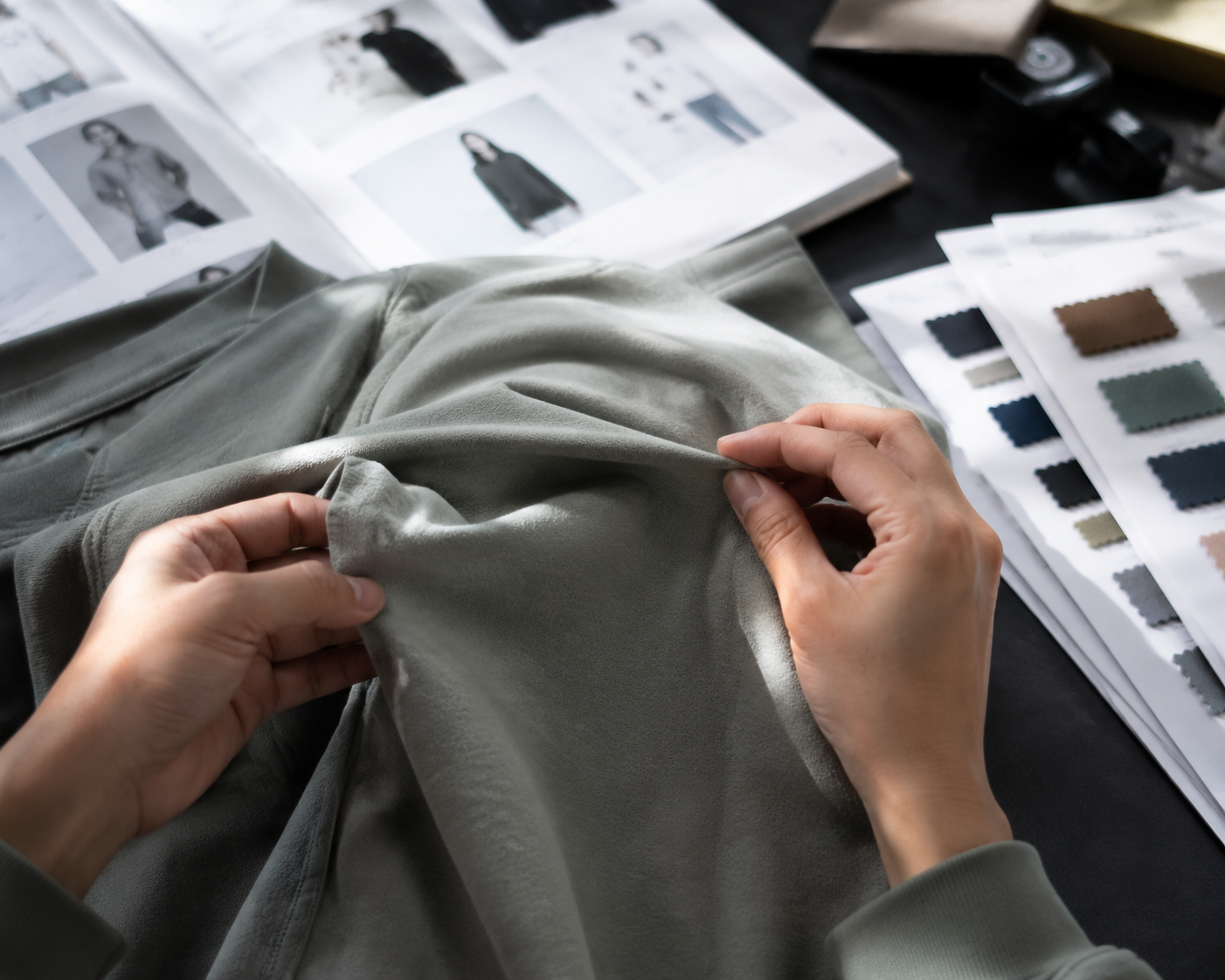
Fabric weight does not tell you how the leg will fall. A brushed fleece feels warmer, while French terry has an unbrushed looped back and can feel drier. Handle the proposed fabric and try it in the actual cut. A wide leg needs the drape you want at the hem; a tapered leg also has to sit comfortably where fabric gathers above the cuff.
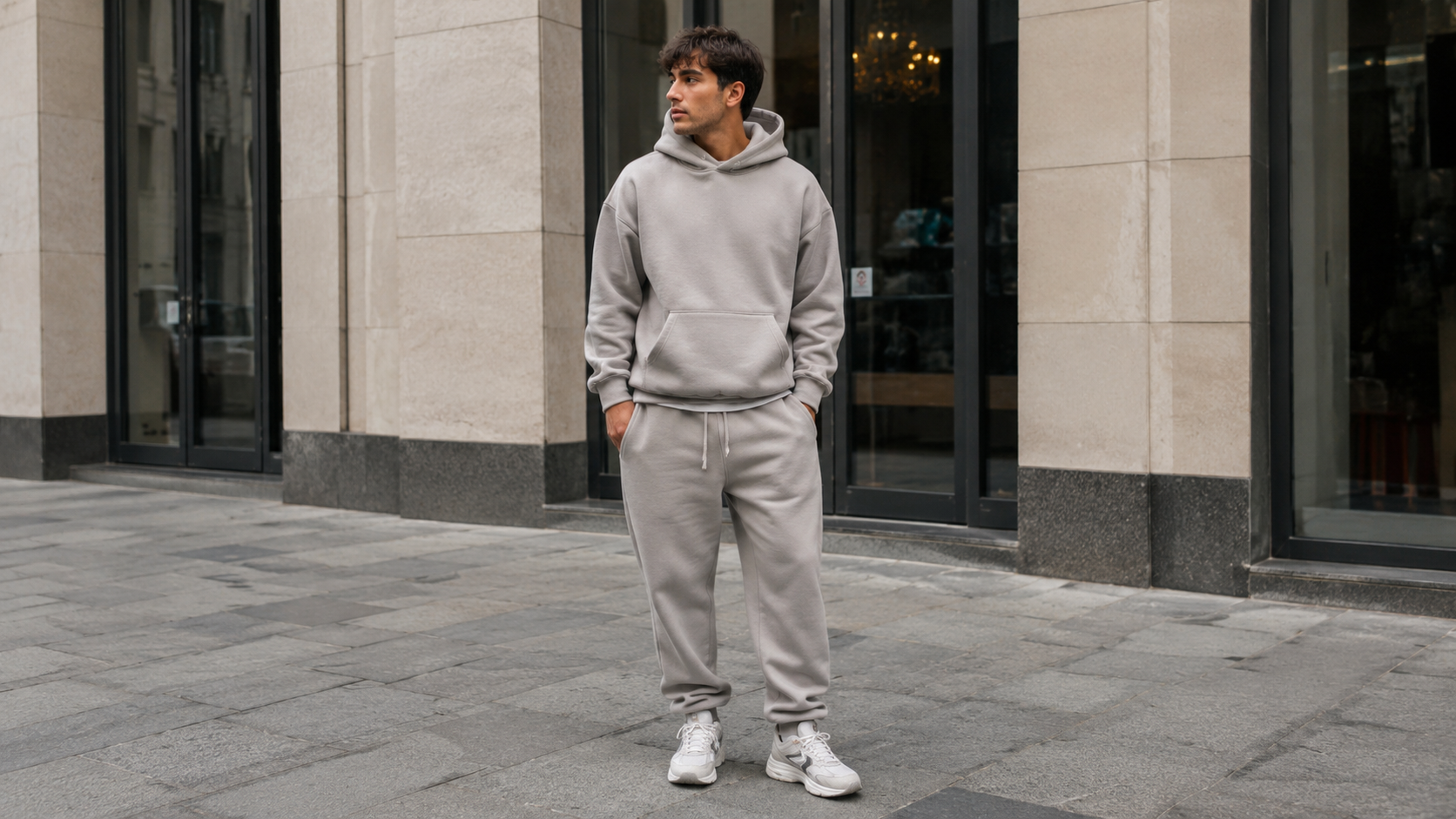
If the pants belong to a hoodie set, compare both garments in the same proposed fabric and finish. A fabric that feels right as a hoodie can look or feel different when much of it hangs from a waistband. Decide on the set after viewing worn samples rather than matching GSM numbers alone.
Specify the waistband in two states
Choose covered elastic, elastic with a drawcord, or a rib waistband according to the fit and appearance you want. If you use a drawcord, decide its width or diameter, eyelets and tips on the sample.
For an elastic waist, record two measurements:
- Relaxed waist: measured with the pants laid flat and the elastic unstretched. State whether the chart records flat width or full circumference.
- Stretched waist: measured using a repeatable method agreed with the factory.
Write the measurement method and tolerance into the tech pack. Elastic tension can change with how it is sewn, even when the cut fabric is the same. A size chart that only gives the relaxed waist misses how the pants feel when pulled on and worn.
We have had to rework waistbands that came out around 2 cm above or below the agreed measurement. This is why we check the waistband on the sample and agree on a realistic tolerance before bulk production. If a requested tolerance is difficult for the chosen elastic and construction, discuss it before the order goes ahead.
When you try on the sample, pull the pants over the hips, then stand, sit and walk in them. Check whether the waistband returns to a comfortable position and whether the drawcord needs to be pulled tight just to keep the pants up. A drawcord can adjust fit, but it cannot make an uncomfortable elastic feel right. Write down the change you want in the relaxed and stretched measurements, instead of asking for a waistband that is simply “looser.”
Choose and measure the cuff
A rib cuff is a knitted band sewn to the hem. An elastic cuff gathers the fabric through an elasticated channel. Both can work on a jogger, but they give a different look and feel at the ankle.
Record the cuff opening relaxed and stretched, along with its height. Test whether the cuff passes over the foot comfortably and sits at the intended point on the ankle. If the pants have an ankle zip, include that construction and the zipper type in the quote.
Allow for the washed length
Washing and tumble-drying can change a sweatpant leg by around 2 cm, depending on the fabric and process. That difference is visible at the hem of a straight leg and at the ankle of a jogger.
Ask for a wash test on the fabric you plan to use. Agree on the inseam and outseam of the approved sample, the wash method and the measurement after washing. If prewashing the fabric before cutting is needed, include its cost and timing in the quote.
Keep the before-and-after measurements together with the test conditions: water temperature, drying method and whether the sample was measured flat. Compare a finished pant after washing, not only a loose fabric swatch. The waistband, cuffs and seams can affect how the garment sits even when the fabric shrinkage figure looks acceptable. If the washed sample misses the target length, revise the pattern or fabric preparation and test again before approving bulk.
Build a size chart the factory can check
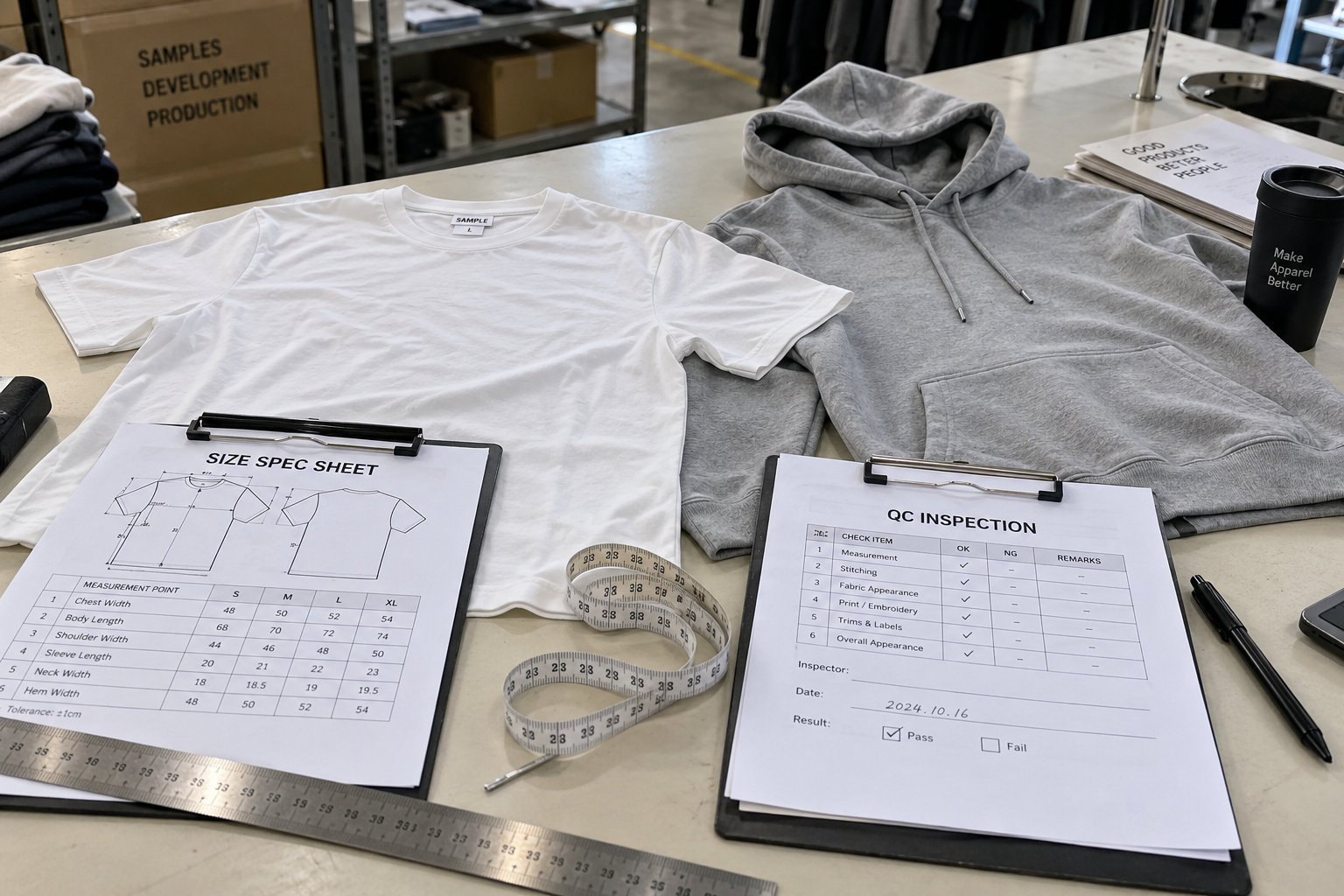
Include the relaxed and stretched waist, hip, thigh, knee, leg opening, front rise, back rise, inseam and outseam. Add cuff height and stretched cuff opening for joggers. Mark the measuring points and tolerances so the sample room and inspection team use the same method.
Measure the inseam from the crotch seam down the inside of the leg to the hem. Measure the front and back rises separately, from the crotch seam to the top of the waistband.
If you have a pair you like, send it with its size and explain what should change. A reference garment helps us check the cut, waistband and cuff together.
For each measurement, state whether the chart uses a flat width or a full circumference. Two people can both record a “waist of 40 cm” while one means across the laid-flat garment and the other means all the way around. Also mark whether a cuff opening is measured relaxed or stretched. Clear definitions prevent an avoidable argument when the bulk pieces are inspected.
Include pockets, trims and matching tops
List each pocket, zipper and drawcord detail. A side-seam pocket, back pocket, zip pocket or ankle zip changes the construction and quote. If a particular zipper brand matters, name it in the specification.
For a hoodie and sweatpants set, discuss fabric lot and color matching before cutting. When tops and bottoms come from different dye lots, they may need to be cut and packed as matched pairs to reduce visible shade differences within a set.
Approve the sample as a complete garment
Before bulk production, review the pants while worn and after the agreed wash test. Confirm the waistband at rest and when stretched, the rise when sitting, the taper from thigh to ankle, the cuff over the foot, and the final inseam and outseam. Check pocket access and zipper operation if your design includes them. Put each correction into the final measurement chart or construction notes, and keep that version with the approved sample.
This gives your team a practical reference for the bulk check. The goal is to define what an acceptable pair looks and feels like before hundreds of pieces are sewn.
See our custom sweatpants and tapered joggers pages for style options. Use the sweatpants tech pack guide to prepare the measurements for your sample.



 You Can Find Us Here