

Pima Cotton T-Shirts: What Quality Buyers Should Know
A cotton T-shirt is a basic part of many wardrobes because it is comfortable, breathable, and easy to wear. But not every cotton T-shirt feels or performs the same. The type and quality of cotton used in the fabric can affect everything from softness and durability to how well the shirt holds its shape after repeated washing.
One material that stands out for these qualities is Pima cotton. Its long fibres can create a softer, smoother fabric with high strength and durability. This is the reason why Pima cotton T-shirts are more refined than shirts from other cotton fibers or of lesser quality.
But it's not just about the cotton, though. Fabric construction, weight, stitching, finishing, and manufacturing quality also influence the final T-shirt. If you're buying Pima cotton T-shirts or sourcing them for a clothing brand, understanding these factors can help you choose the right product.
What Is Pima Cotton?
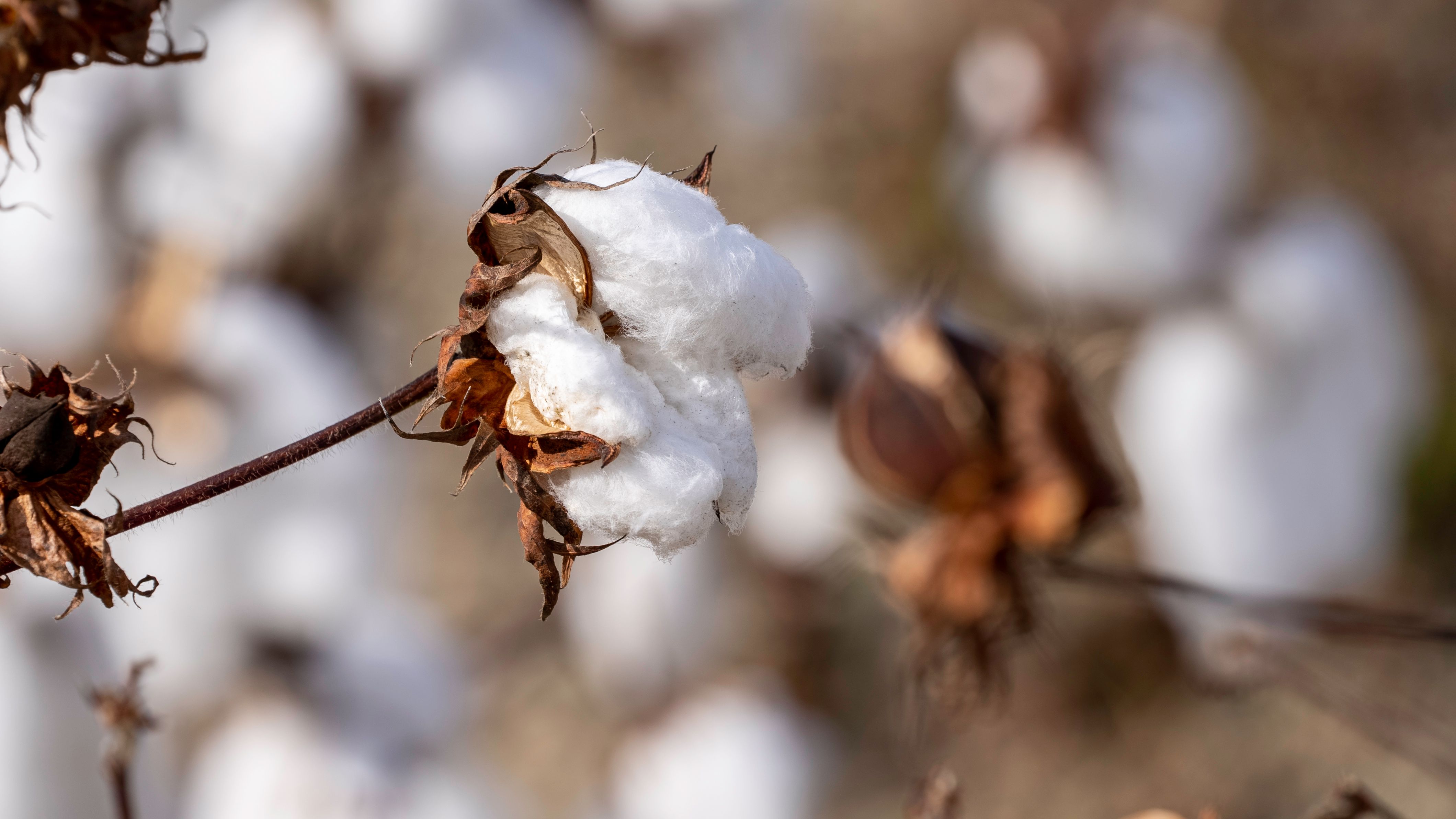
A special type of long fiber that gives fabric a silky, smooth feel. Most of it comes from Peru, the southwestern United States, and regions in Australia. The soil and climate in these areas are best for growing cotton with unusually long staple length.
In a lot of these regions, cotton is still picked by hand rather than by machine, which matters more than it sounds like it should - hand-picking keeps the fibers intact instead of snapping them during harvest.
Compare that to standard cotton, which uses shorter fibers by default. Short fibers break down faster, and as they break, they work their way to the surface of the fabric as fuzz. It turns into pilling - those little balls of tangled fibers on the fabric. Pima cotton resists this, which is why it lasts longer than basic cotton.
Why Pima Cotton T-Shirts Hold Up
Buying the wrong T-shirt isn't a minor issue. It means fabric that pills within weeks, colors that fade by the third wash, and a shirt that's stretched out of shape before summer's over. It's not bad; it's picking a shirt by price or label and finding out the fabric can't back it up.
Why are Pima cotton T-shirts worth buying?
Longer Fibers Last Longer
Short cotton fibers loosen over time. Every wash thins them out, and they pop out of the fabric. It causes pilling. Pima cotton uses longer fibers, so there's less loose fiber to reduce friction. The yarn stays tighter, and the shirt keeps its smooth surface longer than regular cotton.
Durability You Can Feel
Every wash is a small stress test for fabric. In a few months, cheap cotton becomes thin. Pima cotton was built for this. The fiber strength means the fabric holds through multiple wash cycles without turning see-through.
Tighter Yarn
A shirt made of short fibers loosens quickly. You wear it two or three times, wash it, and the neckline sags. Long fibers in pima cotton form a tighter yarn that returns to its shape after many washes, instead of stretching from wear.
Better Breathability
Lower-quality cotton can result in fabric that loses its shape over time, which is why some T-shirts become baggy or uneven after repeated washing. Pima cotton's longer, more consistent fibers can help create a stronger, more stable fabric structure. With proper construction and care, a Pima cotton T-shirt can maintain its smooth feel, shape, and appearance through many washes rather than looking noticeably different after just a few.
Color That Stays Original
Dyes bond better to Pima cotton's smoother fiber surface, so colors stay vivid instead of turning chalky after a summer of washes.
None of this is about brand prestige. It's about the fiber doing more work for you over the shirt's life.
Pima Cotton vs. Regular Cotton: What You're Really Paying For
The price gap between Pima and regular cotton isn't arbitrary - it comes down to fiber length, and fiber length is expensive to grow and harvest well. Regular cotton uses shorter fibers because they're cheaper and faster to produce at scale. That's fine for a $6 basics tee you don't expect to last. It's not fine if you're building a brand around quality.
A cheap shirt might look completely fine on day one. Give it eight or ten washes, though, and you'll start seeing thin spots, pilling, or a collar that's lost its snap. A Pima cotton shirt is still doing its job at wash fifty. Over time, that often makes it the cheaper option - you're just not buying replacements every few months.
| Feature | Pima cotton | Regular cotton |
|---|---|---|
| Fiber length | Long staple fibers | Typically shorter fibers |
| Feel and surface | Smoother; more resistant to pilling | More likely to show fuzz and pilling over time |
| Typical cost | Higher due to growing and processing | Usually lower |
How to Tell If You're Getting Pima Cotton
Not every shirt labeled "Pima" is the truth. Brands use the term because they know it sells, even when the fabric is a blend with standard cotton.
A few simple checks help in the long run:
- Read the label carefully. You want to see "100% Pima Cotton" or a named origin, like Peruvian Pima. Vague phrasing like "Pima blend" or "Pima-style" is fake.
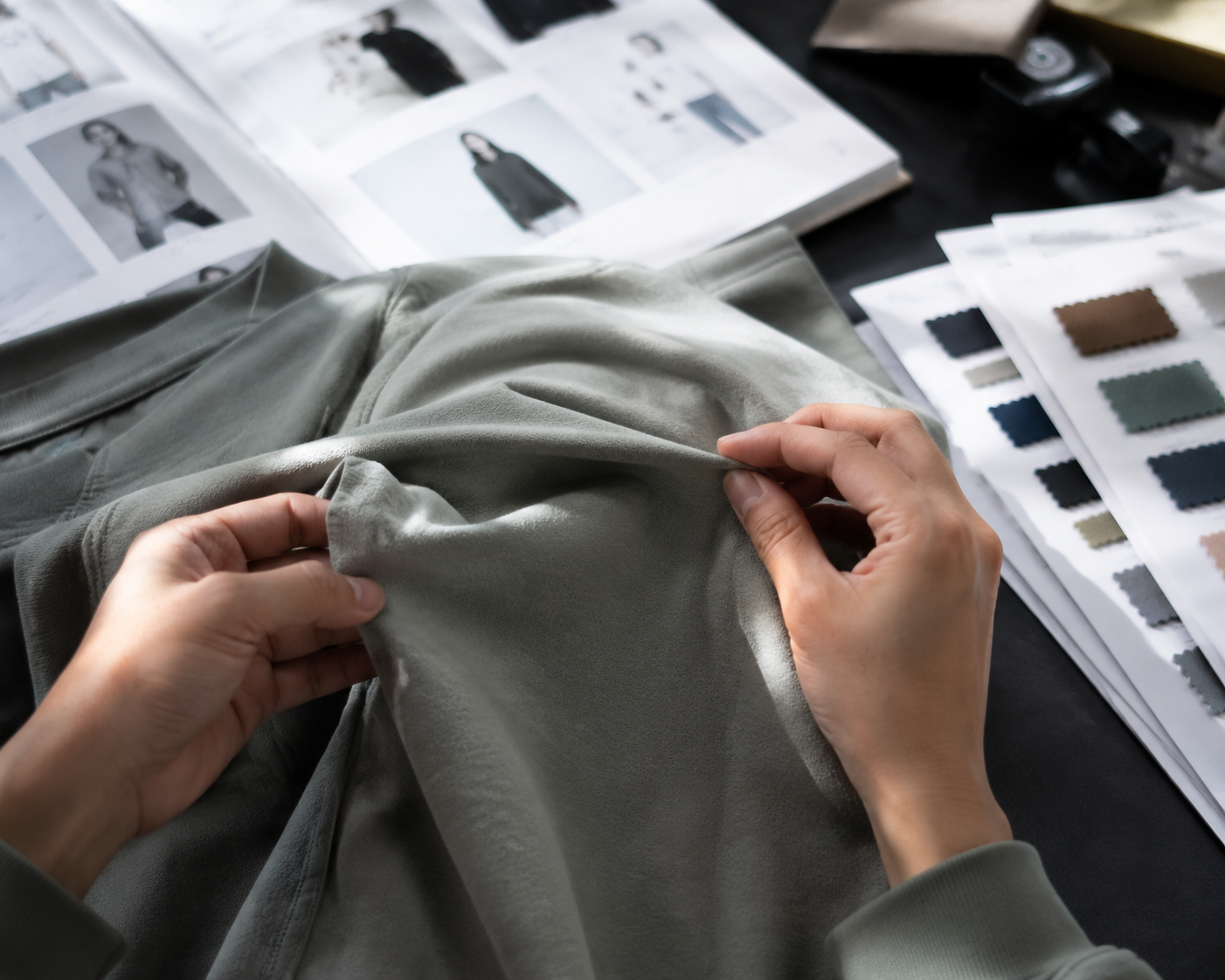
- Touch Test. Real Pima cotton feels smooth and light. Thin, papery, or scratchy fabric is a red flag no matter what the tag says.
- Question a bargain price. Growing and processing long-staple cotton costs more. If a shirt is priced like fast fashion but sold as Pima cotton, it probably isn't.
Finding a Pima Cotton T-Shirt Supplier You Can Actually Trust
If you're sourcing at scale - for a clothing line, a corporate order, or a retail product - the supplier you choose determines almost everything downstream: fabric quality, consistency across production runs, and ultimately whether your customers trust the "Pima cotton" label you're putting on the tag. Here's how to vet a Pima cotton T-shirt supplier properly.
- Ask exactly where the cotton comes from. A legitimate supplier will name the growing region without hesitation. A vague answer is a warning sign.
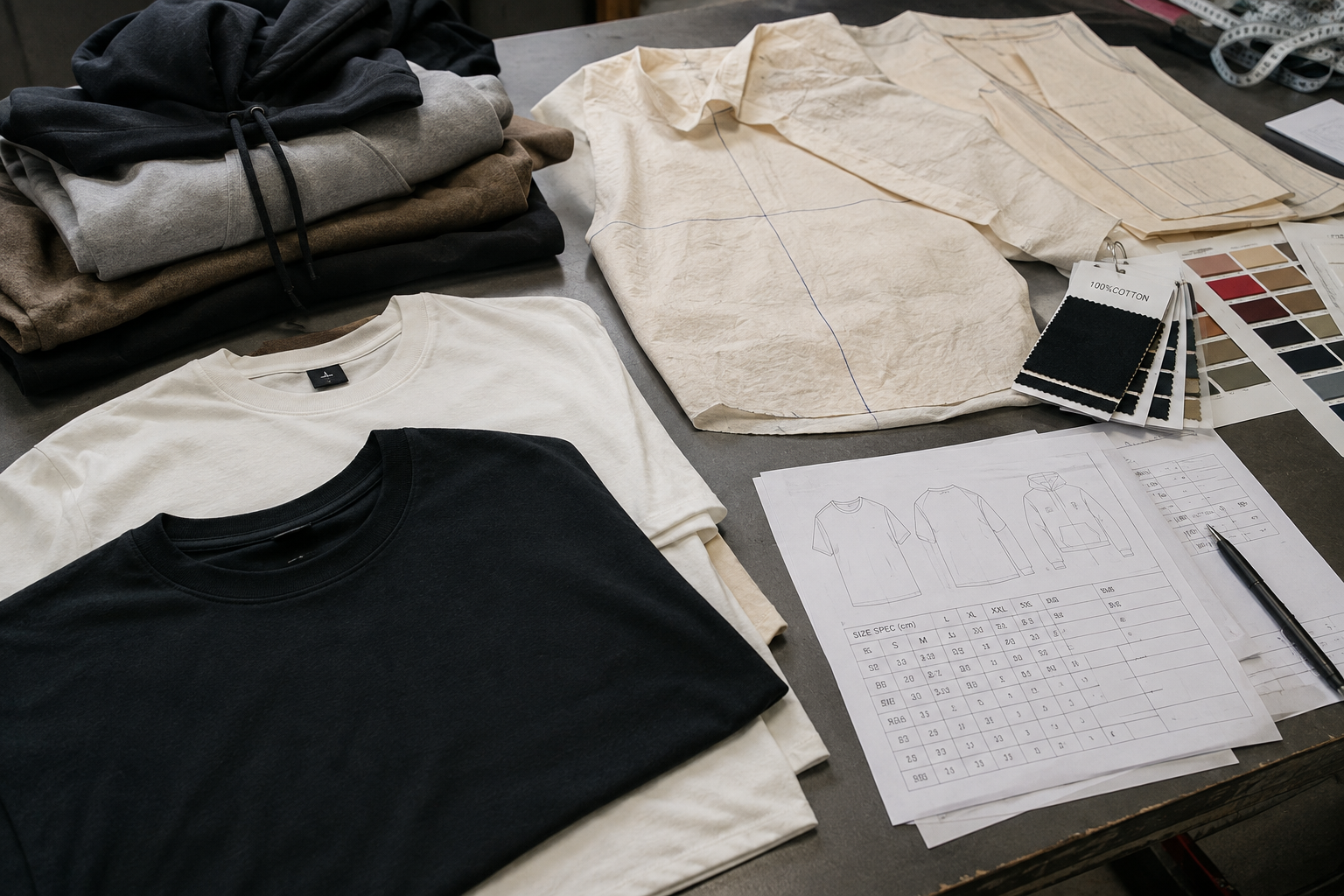
- Get a physical sample before you commit. Never place a bulk order of photos or a spec sheet alone. You need to feel the weight and finish yourself.
- Look for real certifications. Certifications around organic sourcing, sustainable farming, or fair labor practices aren't just checkboxes - they're evidence the supplier has been through outside scrutiny, which lowers your risk considerably.
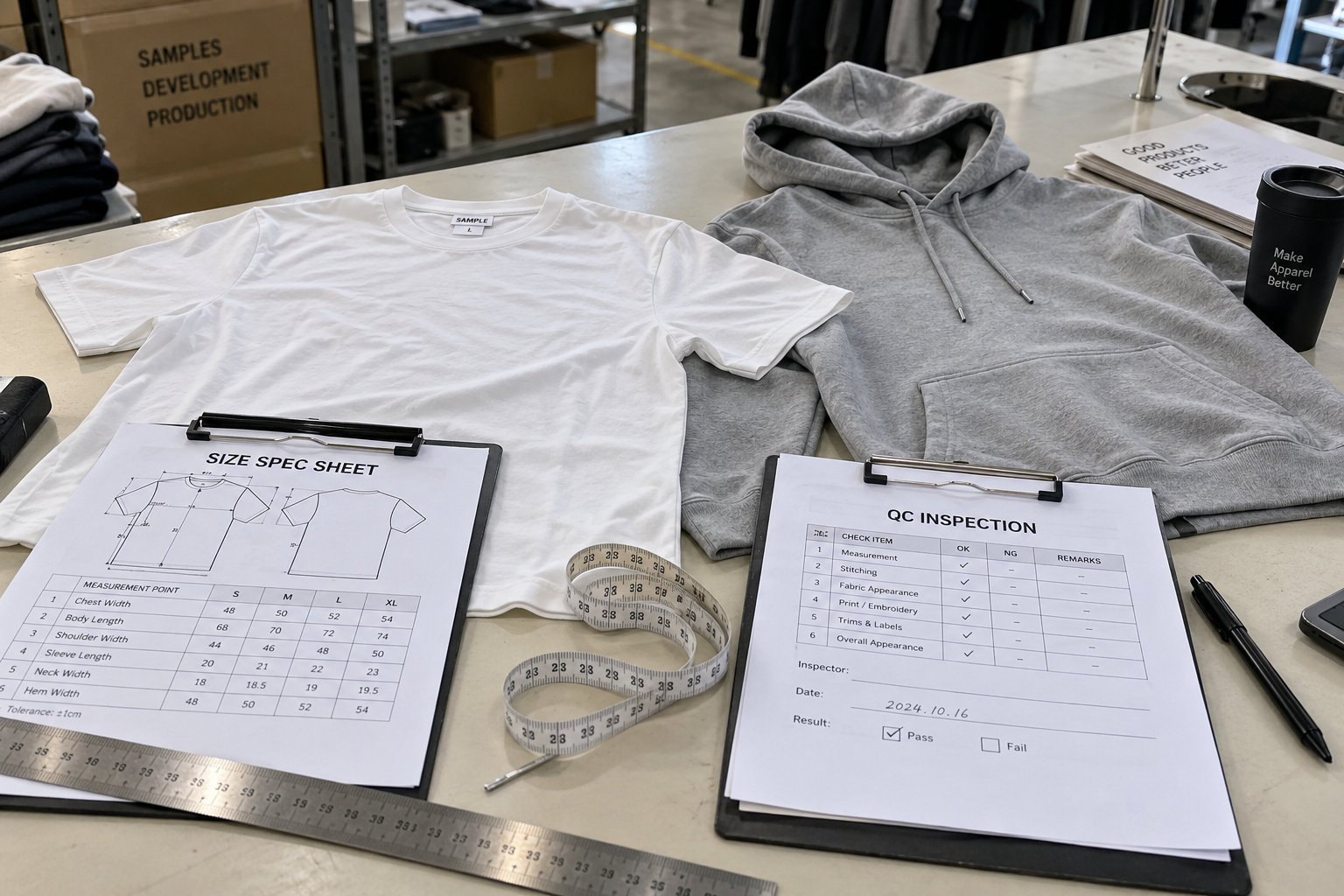
- Ask how they run quality control. A supplier worth working with will be able to explain their inspection process in some detail - ideally checks at multiple stages of production, not just a single glance before shipping.
- Compare MOQs and pricing across a few options. These vary widely, and some suppliers are built for smaller brands while others expect large wholesale orders. Get quotes from more than one before deciding.
- Check references, not just reviews. Star ratings tell you only so much. Ask the supplier for past clients to know about consistency, communication, and how they handled problems when something went wrong.
- Pay attention to how fast and how clearly they respond. It's easy to overlook, but it's one of the best early signs of how things will be mid-production if something needs fixing fast.
Caring for a Pima Cotton T-Shirt
Even good fabric needs care. Follow a few simple yet effective tips to keep your Pima cotton T-shirt looking fresh for years.
- Wash in cold or warm water.
- Turn the shirt inside out before washing to reduce surface friction.
- Use a mild detergent and skip the bleach.
- Air dry, or use low heat if you're using a dryer.
- Iron on a low setting, and keep the heat away from printed graphics.
None of this is complicated. It's just the difference between a shirt that looks good for a season and one that looks good for years.
Who Benefits From Choosing Pima Cotton
Pima cotton isn't a niche product anymore - it shows up across a wide range of buyers. Everyday shoppers choose it for comfort because it doesn't need replacing every few months. Clothing brands use it to signal quality in a market where everyone claims to be premium; few deliver.
And businesses selling higher-end apparel lean on it because customers can genuinely feel the difference, which makes the price easier to justify.
If comfort, durability, and a clean finished look matter to you - either as a shopper or as someone building a product - Pima cotton earns its price tag.
Conclusion
Pima cotton t-shirts aren't complicated: better fibers make a better shirt. Whether you're buying for yourself or sourcing hundreds through a Pima cotton t-shirt supplier, the fundamentals don't change.
Confirm where the cotton comes from. Get a sample in your hands before you commit to anything larger. And take the time to vet whoever you're buying from, because that decision affects everything that comes after it.
Do that groundwork up front, and you'll end up with a shirt or product line that holds up long after cheaper alternatives have been thrown out.
Feel the Difference!
Reading about Pima cotton is one thing. Wearing it is another. If you're ready to see what all the softness and durability talk is about, browse our Pima cotton T-shirt collection and pick a piece that's built to last.
Explore Pima Cotton T-Shirts



 You Can Find Us Here