

If a bulk clothing order comes out wrong, the first step is to compare what arrived with the approved sample, measurements, artwork, fabric and written specifications. Then we look at whether the garments can be corrected, whether there is time to remake them, and who caused the difference. When the issue is ours, UNIT-100 discusses a correction or remake with the buyer and covers the related cost. If our delay creates extra freight, we cover that too. A refund can be the right outcome when a remake would arrive after the buyer's selling window.
There is no useful one-size-fits-all answer. A measurement outside tolerance, a different fabric hand feel and a detail that the buyer expressly approved need different remedies. Here is how we work through those decisions, with cases from our own orders.
Start with the approved specification
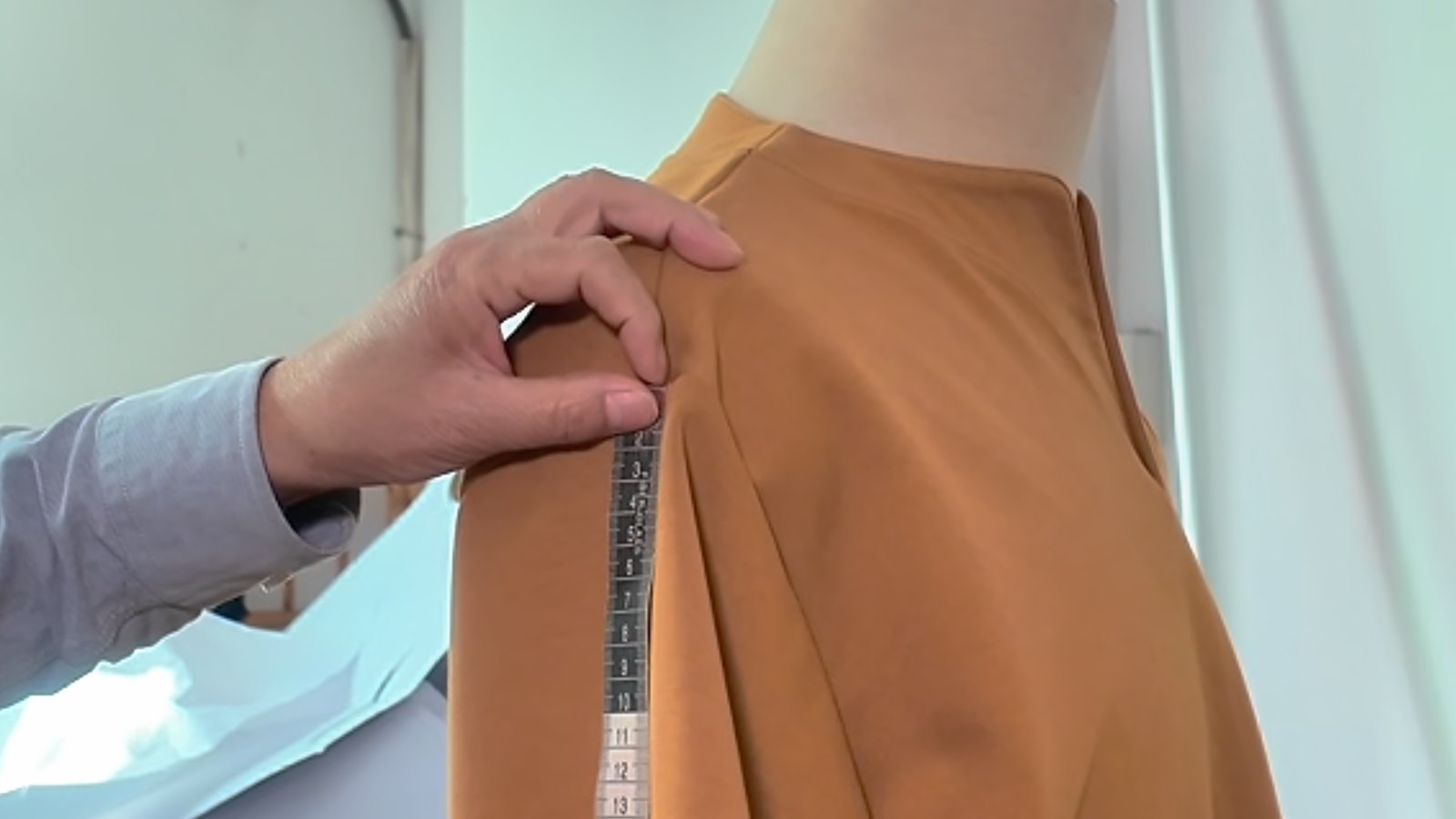
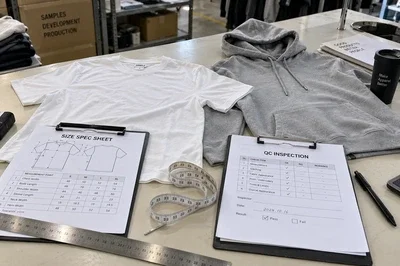
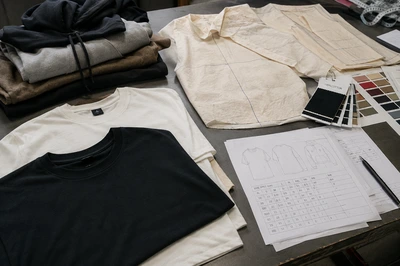
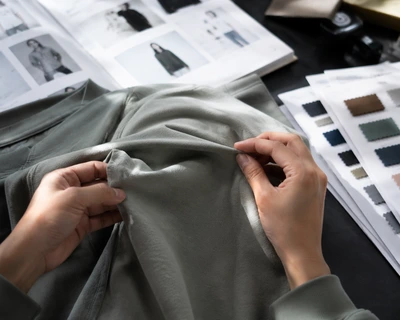
We first put the order documents and the garments side by side: the size chart and measurement points, permitted tolerances, approved pre-production sample, fabric and color references, print or embroidery approval, and any written changes. A number alone is not enough. For example, a sleeve measurement is only comparable when both sides measure from the same starting point and use the same method.
If a specification allows a 1.5 cm deviation and the finished garment is 1.8 cm out, the garment is outside that agreed tolerance. We check how many pieces are affected, whether the issue is consistent across sizes, and whether it changes wear or saleability. Our team estimates that about three or four orders in every 100 need some kind of issue resolution; that is an internal estimate, not a product defect rate.
Why can bulk fabric differ from the sample?
One common reason is a change of fabric batch. A sample may use fabric from one lot while bulk production uses another. Even within a single color, a large order can require more than one dye lot. The right comparison is the approved reference against the actual bulk fabric and finished garment. We discuss known lot variation with the buyer before production and record what has been approved rather than assuming that two rolls labeled with the same color will look identical.
When a correction is enough
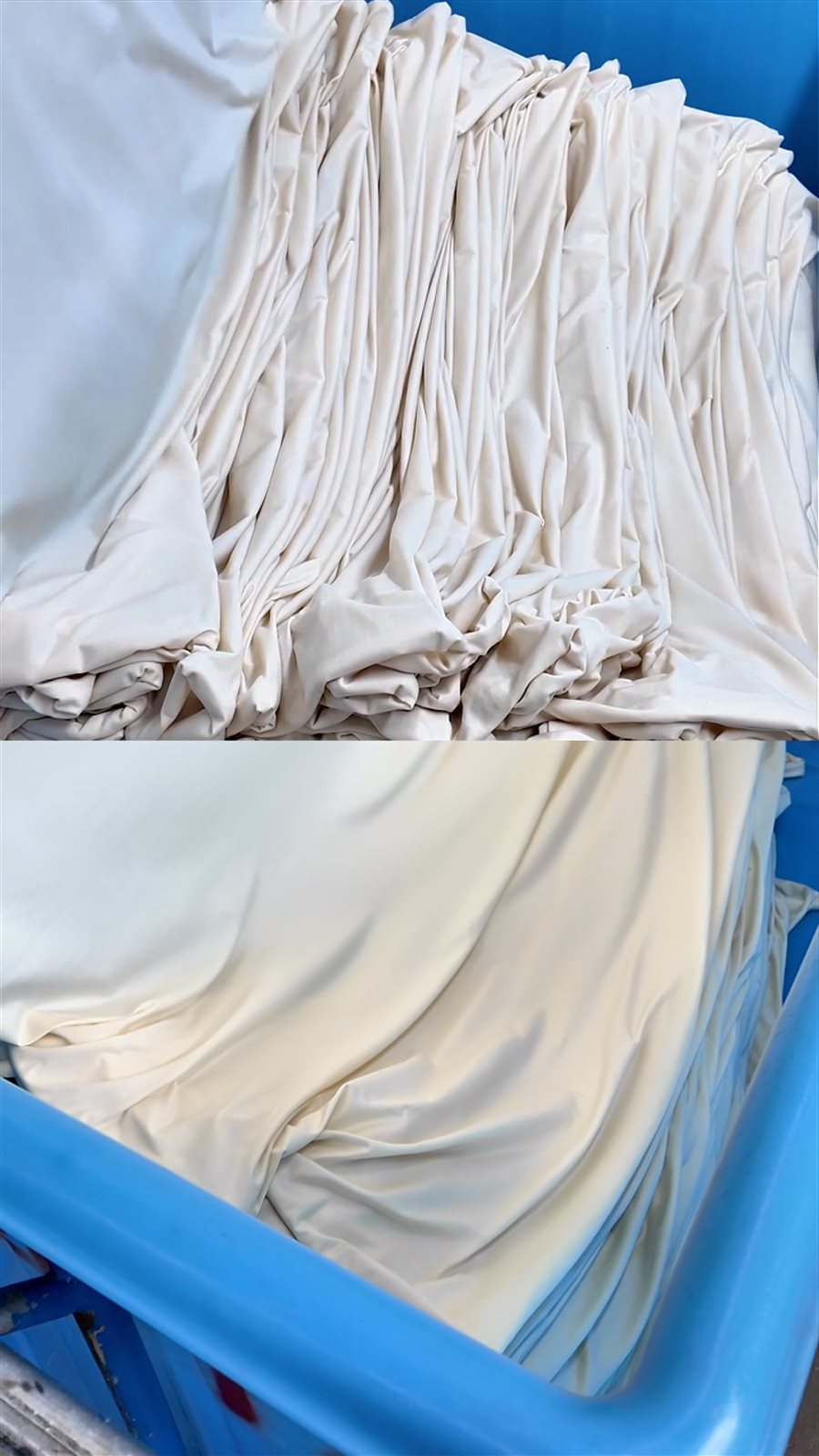
If the garments can be brought back to the agreed result without introducing a new problem, a correction may be faster and less disruptive than remaking the whole order. For a small dimensional difference, we may discuss a controlled wash and measure the garments again. That decision depends on the fabric, print, shrinkage behavior and the buyer's approval; washing is not a universal fix.
In one Australian order, the buyer felt that the bulk sample was stiffer than expected. We arranged an additional softening wash for the batch and paid for it. The buyer did not pay an extra charge for that correction. A decision like this needs a test of the resulting hand feel and garment dimensions before treating the issue as resolved.
We also check whether a partial correction would leave a mixed batch. The buyer should know which pieces were affected, what changed, and what the final check showed.
When we remake an order
If correction cannot reliably bring the garments within the agreed specification, we discuss a remake. This takes time close to another bulk production run. If the supplier still has fabric from the same dye lot, it may save roughly four to five days of repeat testing and preparation; availability must be checked for the actual order. We prioritize remakes caused by our error.
A 400-piece size and shrinkage case
A US brand with five physical stores ordered 200 children's garments and 200 adult garments. The fabric was unstable: the sleeves shrank an additional 1.5 cm, while body length and chest measurements also fell outside the agreed tolerance. The buyer could wait, so we remade the batch rather than refunding it. The sizing and tolerance lessons from this case are explained in our T-shirt size chart guide.
The decision hinged on two facts: the garments did not meet the agreed result, and the replacement could still reach the buyer in time to be useful.
When a refund makes sense
Refunds are uncommon because a workable correction or remake often solves the buyer's problem. But a new batch has little value if it arrives after a fixed event or selling season. Timing can change the remedy.
A raglan zip hoodie that missed its season
For a raglan-sleeve zip hoodie, our pattern and sales teams misunderstood where sleeve length should be measured from. The goods reached the customer, who did not accept the result. We offered a remake, but the customer told us the selling season had already passed. We gave a full refund. For more on the underlying measurement issue, see our zip hoodie sourcing guide.
If you have a launch, exhibition or seasonal sales date, tell the manufacturer before production and record the last useful arrival date. That deadline matters when choosing between a correction, remake and refund.
Who pays for the fix and freight?
We review the cause against the approved record. When UNIT-100 makes the error, we take responsibility for the agreed correction or remake. In the cases above, we paid for the extra softening wash and remade the out-of-tolerance garments. When our mistake delays delivery and extra freight is needed, we pay that freight.
If a buyer approved a detail that we had flagged as a risk, the discussion is different. We try to catch issues before bulk production, explain the consequence and ask for confirmation. If the buyer keeps the instruction and later dislikes the result, we review the approval trail and negotiate a practical remedy, which may include a discounted remake. We do not assume that every complaint has the same cause or that one past resolution sets the terms of every future order.
| What the check finds | Likely next discussion |
|---|---|
| Correctable difference | Test the correction, agree its cost and recheck the finished garments. |
| Factory error that cannot be corrected | Plan a priority remake and the delivery route; UNIT-100 covers its error and related extra freight. |
| Replacement misses the selling window | Discuss a refund, as in the raglan zip hoodie case. |
| Buyer-approved detail despite a warning | Review the written approvals and agree a practical remedy case by case. |
Checks before shipment
The best resolution is to identify a difference before it leaves the factory. UNIT-100 requires a pre-production sample before bulk production. Our team checks at three stages: before work starts, during production, and after completion. Each batch is sampled under an AQL 2.5 inspection plan. This is a sampling method, not a promise that every single garment is inspected or that every possible issue will be found.
Before the balance is paid, the buyer can review photos or video of the bulk goods. These checks give both sides a chance to catch a mismatch in size, color, hand feel, artwork or finish while a correction is still possible. More detail on our process is available on our quality control page.
What to send when you find a problem
Contact us as soon as you notice a difference. A clear record helps us isolate the affected goods and decide on a remedy quickly. Please send:
- The order number, product, color, size and number of pieces affected.
- Photos or a short video showing the issue, with a tape measure and measurement starting point where relevant.
- The approved sample, size chart, artwork or fabric reference you are comparing against.
- Any deadline for a launch, event or sales season, plus the date by which a replacement would still be useful.
Keep the affected pieces available for review and separate them from unaffected stock when practical. We will compare the evidence with the order record, confirm what we found, and discuss a correction, remake or other outcome with you.
Agree the decision points early
Before bulk production, make the important choices explicit: where measurements start and end, allowed tolerances, the approved pre-production sample, how fabric and color lots will be judged, and the last useful delivery date. Prompt approvals also matter. For a print or embroidery sample, a reply within a day can help keep materials and machine setup in place; a two-day delay in approval can require several more days to set the machine up again.
If you are planning a custom apparel order and want to discuss the approval points or a specific quality concern, contact UNIT-100 with your design and timeline. We can identify the checks that matter for your product before production starts.

 You Can Find Us Here