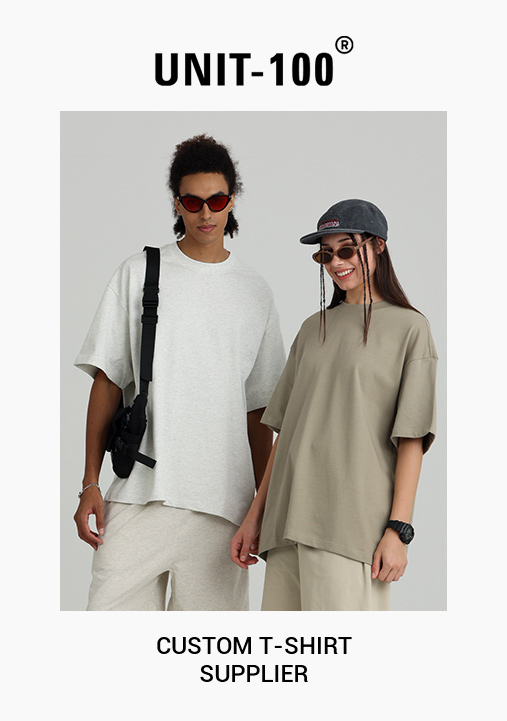


A boxy T-shirt needs a wide body and a shorter length that works with that width. The fabric then has to hold the shape through wear and washing. Before ordering bulk, agree on the chest width, body length and wash result of a sample. Those checks tell you more than the word boxy on a sketch.
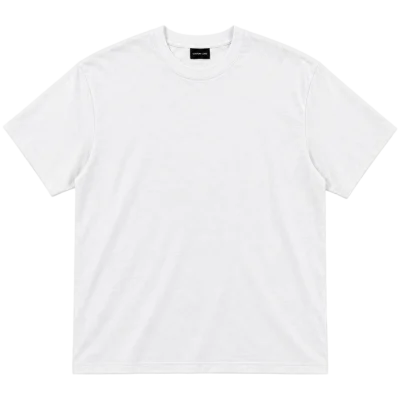
Start with width and length
A boxy tee usually has a straight body and a dropped shoulder. The shoulder seam sits partway down the upper arm. Its chest is roomy relative to its length, giving the shirt a broad, compact outline.
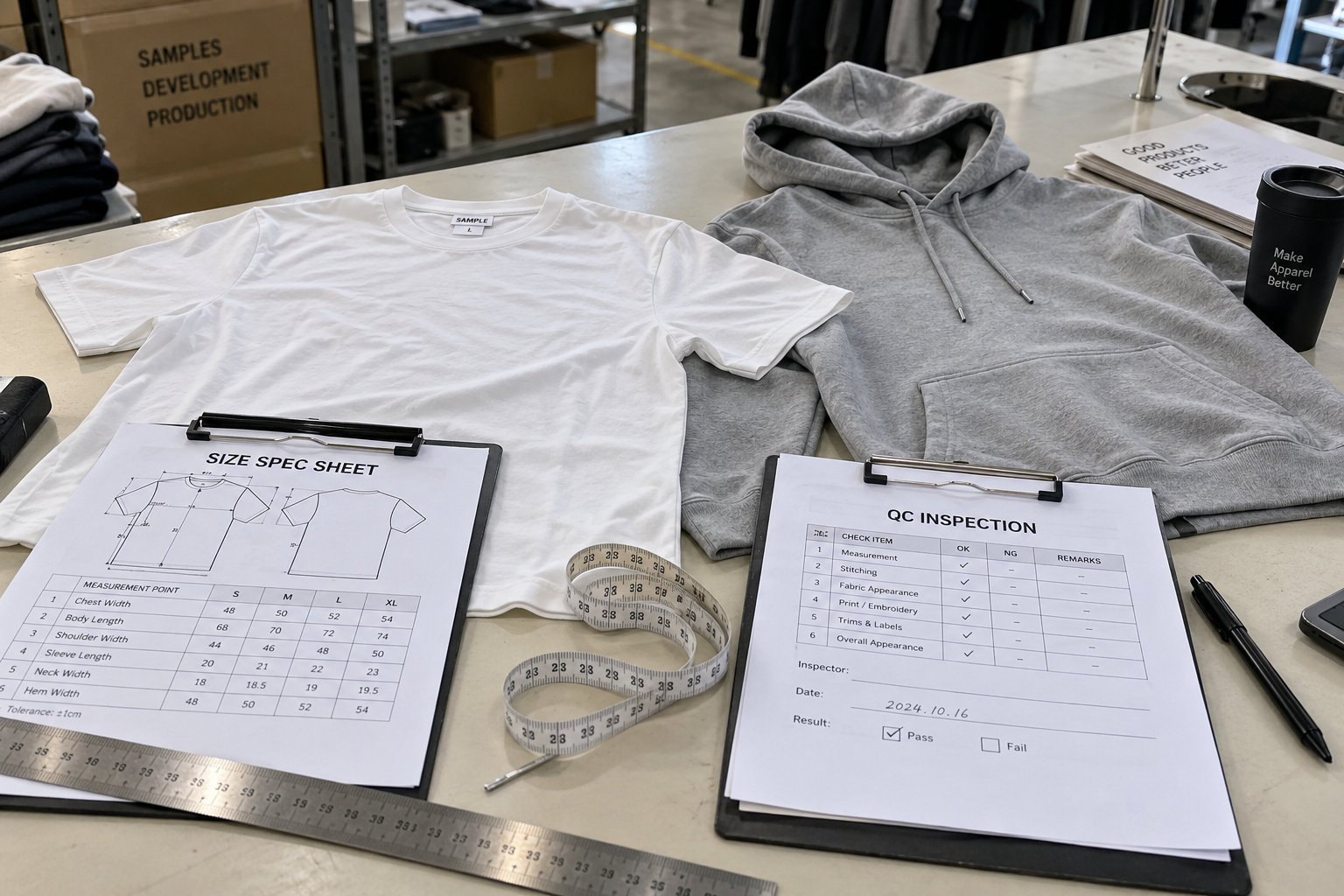
Give your manufacturer two measurements for a base size:
- Chest width: lay the T-shirt flat and measure across the body 2.5 cm below the armholes. State the exact measuring point in your size chart.
- Body length: measure from the high point of the shoulder, where the neck meets the shoulder, down to the hem.
You can also send a T-shirt whose fit you like, tell us which size it represents and mark what you want changed. A physical reference makes it easier to agree on the proportions before we make a pattern.
Chest width alone cannot define the fit. The same wide chest can look boxy with one length and like a long oversized tee with another. Check the two numbers together on a worn sample.
Set the shoulder and sleeves with the body
The chest and length establish the outline, but the sleeves decide how that outline looks on a person. Mark the shoulder seam position, sleeve length and sleeve opening on the same sample. A dropped shoulder moves the start of the sleeve down the arm. If you copy a sleeve measurement from a regular tee without checking where its seam starts, the finished sleeve may sit lower than you expected.
Look at the shirt from the front, side and back. Check whether the sleeve reaches the point you intended and whether it has enough room to hang away from the arm. Note the changes in centimeters on the sample or tech pack. “Make it more boxy” leaves the pattern room guessing; “shorten the body by 3 cm and widen the sleeve opening by 2 cm” gives it a measurable revision. Those numbers are examples of how to write feedback, not a recommended fit for every style.
The sample that caught a long body
In one order, a customer wanted a much wider T-shirt but kept the original body length. We thought the result would look too long and raised it before production. The customer wanted to see the shape, so we made a pre-production sample. After seeing it, they agreed to shorten the body before bulk production.
The useful check is simple: when you add width, review the length on a person. A dropped shoulder changes where the whole garment sits, so a flat size chart cannot show the finished silhouette by itself.
For a fit review, put the reference tee and the new sample on the same person if possible. Photograph both from the same angles. Mark where each hem falls and where the shoulder seam and sleeve edge sit. Then agree on one revised measurement chart before making another sample. This keeps a change to the body length from being lost among comments about fabric, print and color.
Choose a fabric that supports the shape
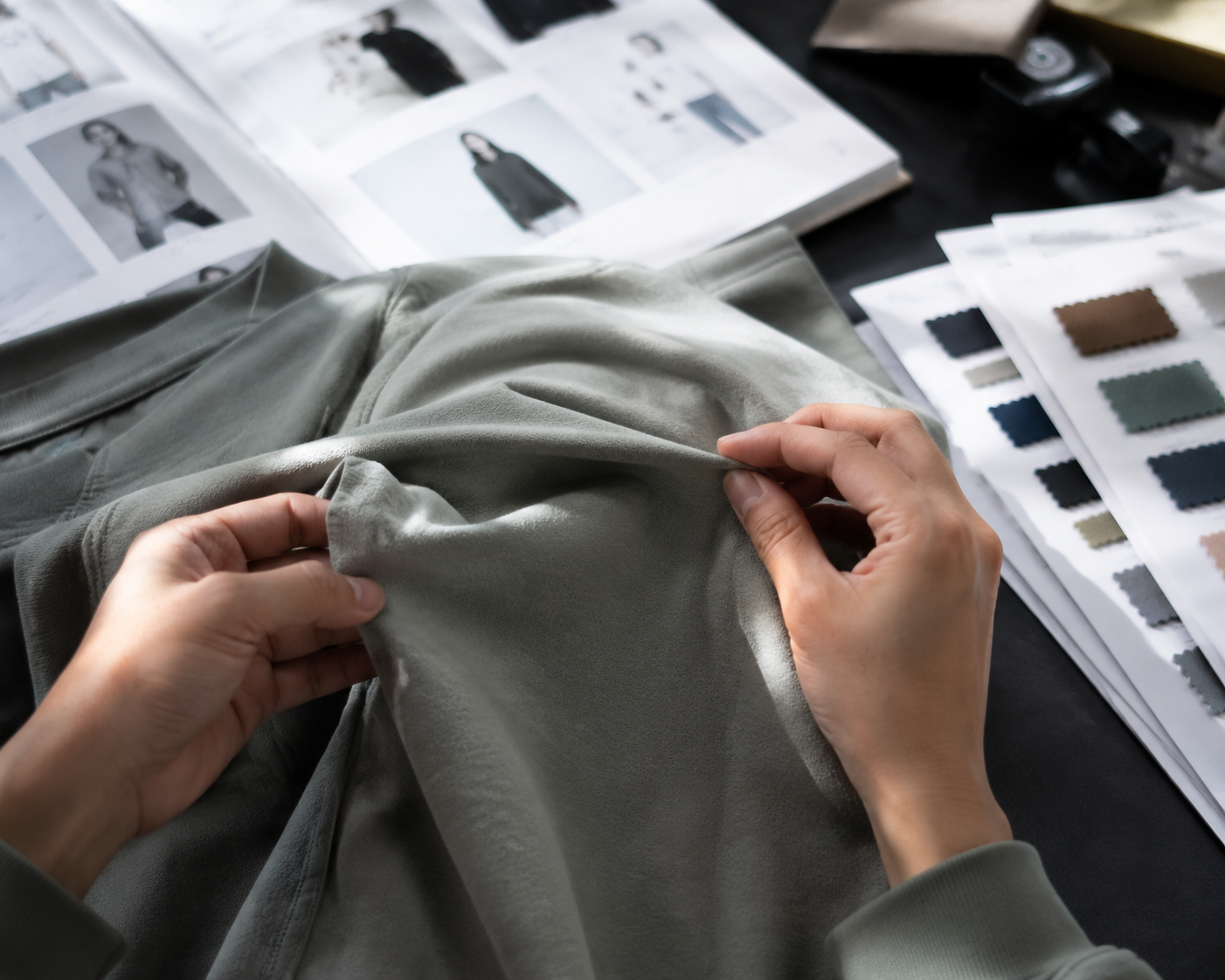
Fabric weight is only part of the decision. The knit, finish and drape affect whether the shirt stands away from the torso or hangs close to it. Ask to handle a sample in the proposed fabric before approving the weight.
We once discussed a very heavy T-shirt with a customer who expected extra weight to give it better shape. The proposed fabric was around 350 GSM before washing and 380 GSM afterward. We suggested trying an air-layer knit at around 280 GSM before washing and 300 GSM afterward. It gave the customer the structure they wanted at a more wearable weight. Your result will depend on the fabric and finish you choose, so compare actual swatches or samples.
Brushed, double-faced and air-layer fabrics can each feel substantial in a different way. If the collection is for warm weather, wearability matters as much as the number on the fabric card.
Check length after washing
A change in body length can alter the proportions of a boxy tee. Ask for the proposed fabric's shrinkage result and agree how the finished garment will be measured after a test wash. If the fabric needs prewashing before cutting, include that step in the sample and quote.
For a tee intended to finish at a particular length, record both the approved sample measurement and the wash method. That gives the factory and your team the same reference when checking production.
Ask which stage the chart describes: before washing, after a garment wash, or after a home-care test. Use the same method when you compare samples. A length measured after air drying cannot be compared fairly with one measured after tumble drying. If the care label allows tumble drying, include that condition in the test you discuss with the factory. Record the original and washed length, then decide whether the pattern or fabric preparation needs to change.
Fit a unisex tee on the people who will wear it
One unisex size chart may give very different results across your audience. A length chosen for taller wearers can make a wide tee look long on shorter wearers. Sample the sizes that matter most to your customers, on people with different builds, before approving the grade.
If the intended fit differs substantially across your range, discuss separate size specifications rather than trying to make one chart carry every fit.
Place the artwork on the approved shape
A boxy shirt gives you a broad surface for graphics, but the print position still needs its own measurements. State the horizontal center line and measure the vertical position from a fixed point, such as the high point of the shoulder. Check a printed sample on a person. Artwork that looks centered on a flat table can sit too low after the shoulder drops, especially when the body is deliberately short.
If the print crosses a seam or sits close to the hem, show its exact boundaries in the artwork file and sample. Approve the fit and print placement together so that a later change to the body length does not quietly move the graphic.
What to send for a quote
The shape alone does not determine the price. Fabric choice, measurements, print and construction all affect the quote. Send:
- A fit reference or sketch, with the base size marked.
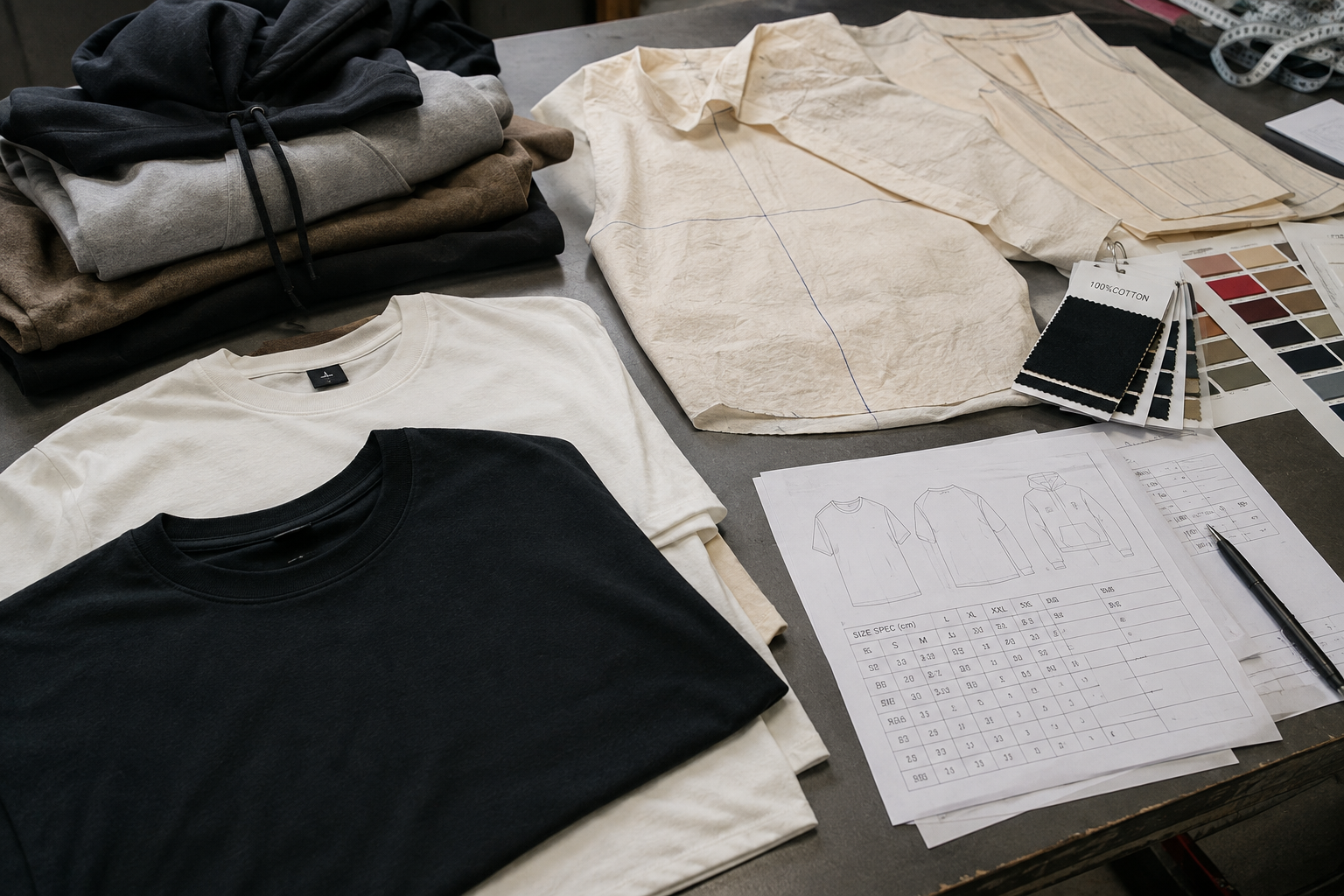
- Chest width and body length, plus any shoulder and sleeve measurements that matter to the design.
- Fabric composition, weight and finish, or a sample to match.
- Your print or embroidery artwork and its position.
- Your required measurement method after washing.
Keep the approved sample, measurement chart and final artwork under the same revision number. When production starts, those three items should describe the same garment. If you change the fabric or wash process after approval, review the length and print position again on that version.
For the neckline, check the rib against the body fabric on the sample. A wide tee can make a narrow or soft neck rib look out of proportion. Our article on neck rib quality explains what to inspect.
See examples on our boxy fit T-shirt page. If you are preparing specifications, use the T-shirt tech pack guide and garment measuring guide.



 You Can Find Us Here